





What's Happening?
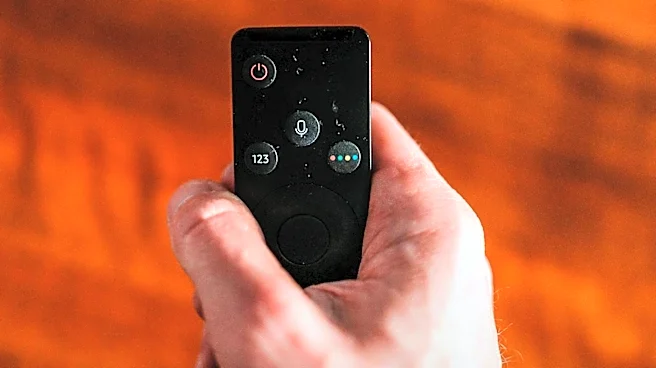
YouTube CEO Neal Mohan announced on X (formerly Twitter) the global availability of the Voice Commenting feature for supported smart TVs. This new functionality allows users to interact with videos by speaking into their remote control's microphone, eliminating
the need for manual text input or switching to a phone. The system automatically converts spoken comments into text in real-time, giving users the opportunity to review and edit before posting. This update addresses a frequently requested feature from users, aiming to simplify the commenting process while watching YouTube on larger screens. The feature was initially announced in early October 2026 on the official YouTube Viewers channel and has since been rolled out in phases, culminating in its global release. Users can access this feature by opening the comments section on their TV, selecting 'Comment as,' then 'Use Voice,' and speaking their comment into the remote.
Why It's Important?
This development is significant for the U.S. market as it enhances user engagement and accessibility for a large segment of YouTube viewers who consume content on smart TVs. By simplifying the commenting process, YouTube is likely to see an increase in user interaction on TV platforms, fostering a more dynamic community around video content. This move could particularly benefit content creators by providing more direct and immediate feedback from their audience watching on televisions. For U.S. households, especially those with diverse demographics or accessibility needs, voice commenting offers a more convenient and inclusive way to participate in online discussions. It also reflects a broader industry trend towards integrating voice control and AI-powered features into home entertainment systems, potentially influencing how other streaming services and smart TV manufacturers approach user interface design and interaction.
What's Next?
Following the global rollout, YouTube will likely monitor user adoption and feedback to further refine the Voice Commenting feature. While a specific list of compatible TV models has not been released, users are encouraged to check for the 'Use Voice' option in their comment sections. This initiative is part of YouTube's larger strategy to enhance the big-screen viewing experience, alongside other recent updates like the integration of the AI tool Ask YouTube and the addition of a Shorts display area on Google TV. Future developments could include expanded language support for voice commenting, more advanced AI-driven transcription, or integration with other smart home devices. The success of this feature could also prompt competitors in the streaming and social media space to explore similar voice-activated interaction methods for their TV applications.
Beyond the Headlines
The introduction of voice commenting on smart TVs touches upon several deeper implications. Ethically, it raises questions about data privacy and how voice data is collected, processed, and stored, especially as voice recognition technology becomes more prevalent in everyday devices. Legally, there might be considerations regarding content moderation for voice-generated comments, ensuring compliance with platform policies and combating potential misuse. Culturally, this shift could alter how people engage with media, moving towards more conversational and less text-dependent interactions. It also highlights the ongoing convergence of traditional television viewing with interactive digital experiences, blurring the lines between passive consumption and active participation. This development could also influence long-term shifts in advertising strategies, as more interactive TV experiences might open new avenues for targeted voice-activated ads or sponsored content within comments.