

What's Happening?
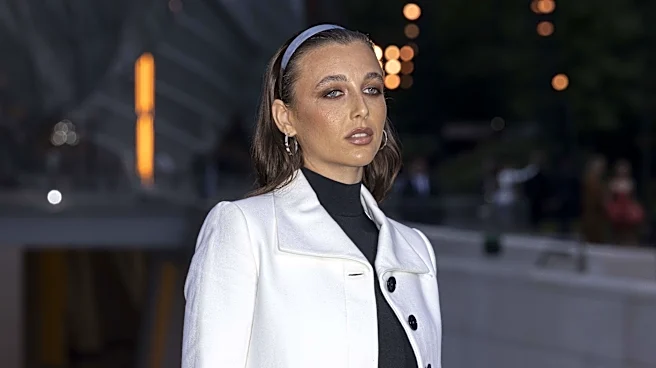
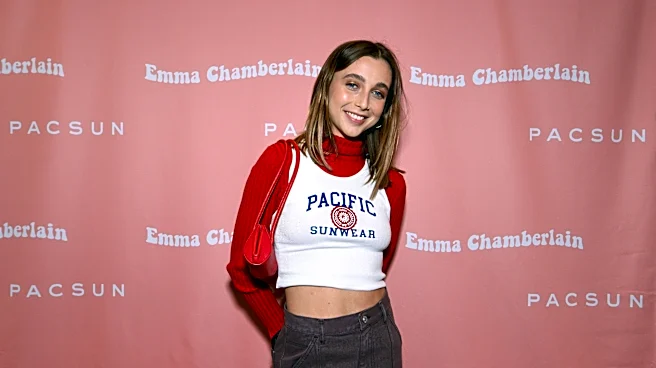
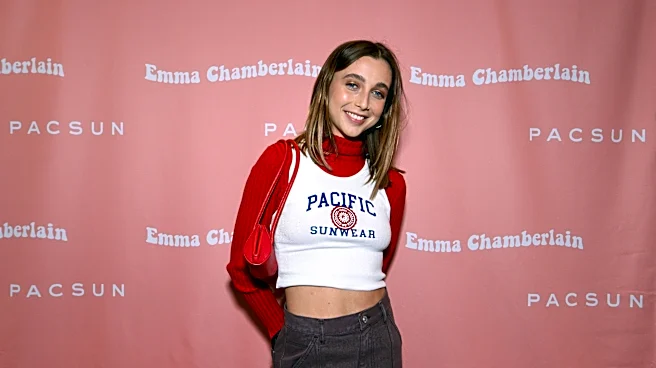
YouTube has unveiled its second annual Creator Premieres slate, a 15-title lineup for 2026, which includes prominent creators such as Emma Chamberlain, Lilly Singh, Nick DiGiovanni, and 'Somebody Feed Phil.' This initiative aims to encourage new TV-like
projects from creators, with YouTube seeking partners for funding and distribution. The announcement follows a mixed performance from the inaugural Creator Premieres event in 2025. While some shows from established YouTube creators, like Ms Rachel's Friendship Special, achieved significant viewership (127 million views), new TV-style formats on channels without a pre-existing YouTube audience struggled to gain traction. YouTube has not released ad sales results for the first year of the program. Critics, including Jim Louderback, suggest that the program resembles YouTube's 2011 Original Channel Initiative, which also failed to develop substantial new intellectual property. The current slate appears to prioritize existing stars over new IP, indicating a shift in strategy based on the previous year's outcomes.
Why It's Important?
This development is significant for the U.S. entertainment industry and the creator economy, particularly for platforms like YouTube. The Creator Premieres program represents YouTube's ongoing effort to cultivate premium, TV-quality content and attract larger advertising budgets, potentially competing with traditional television and streaming services. The mixed results from the first year highlight the challenges of manufacturing new hit intellectual property, even with substantial platform backing. For creators like Emma Chamberlain, inclusion in such a lineup offers increased visibility, production resources, and potential for broader audience reach and monetization beyond their existing content. However, the program's reliance on established creators for success suggests that emerging talent or those attempting new formats may face an uphill battle. The lack of transparency regarding ad sales results also raises questions about the program's commercial viability and its long-term impact on creator compensation and platform revenue.
What's Next?
The success of YouTube's second Creator Premieres slate will be closely watched to determine if the platform can effectively incubate sustainable franchises. The focus on established creators like Emma Chamberlain suggests a strategy to leverage existing fan bases for guaranteed viewership, but the long-term goal of developing new, TV-friendly intellectual property remains a challenge. YouTube will likely continue to refine its approach, potentially adjusting its funding and distribution models based on the performance of this new lineup. The program's ability to attract significant ad sales will be a key indicator of its future. Additionally, the broader creator economy will observe whether this initiative leads to more structured content development opportunities for creators or if it primarily benefits a select few with already massive followings. The ongoing evolution of content creation and consumption on platforms like YouTube will continue to shape the future of digital entertainment.
Beyond the Headlines
The Creator Premieres initiative touches upon deeper implications regarding the evolving relationship between platforms and creators, and the definition of 'television' in the digital age. YouTube's struggle to 'manufacture hits' underscores the organic nature of viral content and audience engagement, which often defies traditional production models. The program's shift towards established creators highlights a potential tension between fostering new talent and capitalizing on proven success. Ethically, the program raises questions about equitable opportunities for creators and the potential for platform-driven initiatives to inadvertently concentrate power and resources among a few top-tier individuals. Legally, the ownership and distribution rights of content created under such programs could become more complex as platforms seek to integrate these projects into their broader content strategies. Culturally, the blurring lines between user-generated content and professionally produced shows reflect a broader societal shift in how audiences consume and value media.