




What's Happening?
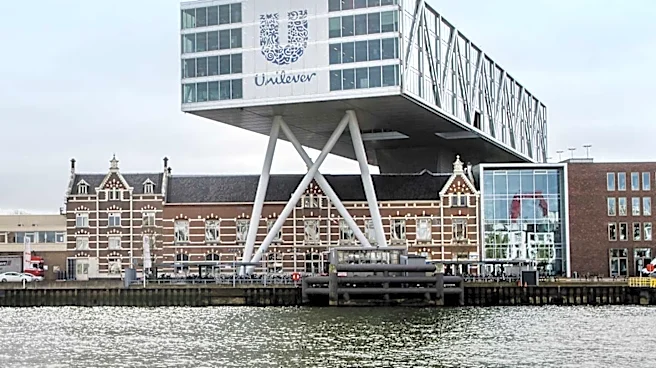
Unilever has reached an agreement to combine its Foods business with McCormick & Company, aiming to create a significant global flavor powerhouse. This proposed merger will integrate Unilever's iconic food brands, such as Hellmann’s and Knorr, with McCormick’s
extensive portfolio, establishing a leader in spices, seasonings, condiments, and related food categories. The combined entity will leverage strong retail and foodservice platforms. McCormick & Company brings over 135 years of history and a presence in more than 150 countries and territories. The transaction is currently subject to regulatory approvals and other standard closing conditions, with an estimated completion date set for mid-2027. This strategic move is designed to enhance both companies' market positions and expand their global reach in the food sector.
Why It's Important?
This merger is significant for the global food industry, as it will create a dominant player with a broad range of products and a vast international presence. For consumers, the combination of these portfolios could lead to new product innovations and wider availability of popular brands. For the companies involved, the merger is expected to generate substantial synergies, including cost savings and increased market share. The integration of Unilever's established brands with McCormick's specialized expertise in flavors and seasonings could drive growth and efficiency. The transaction's success hinges on regulatory approvals, particularly from competition authorities, which will scrutinize the potential impact on market competition and consumer choice. The outcome will influence future consolidation trends within the consumer goods sector.
What's Next?
The immediate next steps involve securing necessary regulatory approvals from various jurisdictions. The transaction is expected to close by mid-2027, assuming all conditions are met. Both Unilever and McCormick will need to work closely with regulatory bodies to address any potential antitrust concerns. Post-merger, the focus will shift to integrating the two businesses, which will involve combining operations, supply chains, and brand portfolios. This integration process will be critical for realizing the projected synergies and achieving the strategic goals of the merger. Stakeholders, including investors, employees, and consumers, will be closely watching the progress of these integration efforts and the performance of the newly formed entity.
Beyond the Headlines
This merger reflects a broader trend in the consumer goods industry towards consolidation, as companies seek to achieve economies of scale, expand market reach, and enhance profitability in a competitive global landscape. The creation of a 'global flavor powerhouse' could set new benchmarks for innovation in food product development, particularly in the areas of taste and convenience. Furthermore, the deal highlights the strategic importance of strong brand portfolios and extensive distribution networks in maintaining market leadership. The long-term implications could include increased competition for smaller food companies and a potential reshaping of consumer preferences as the combined entity leverages its extensive research and development capabilities to introduce new products and culinary experiences.