






What's Happening?
The 1996 film 'Independence Day,' directed by Roland Emmerich, is celebrating its 30th anniversary. Known for its groundbreaking depiction of an alien invasion, the film set a new standard for disaster movies. Recently, Emmerich and screenwriter Dean
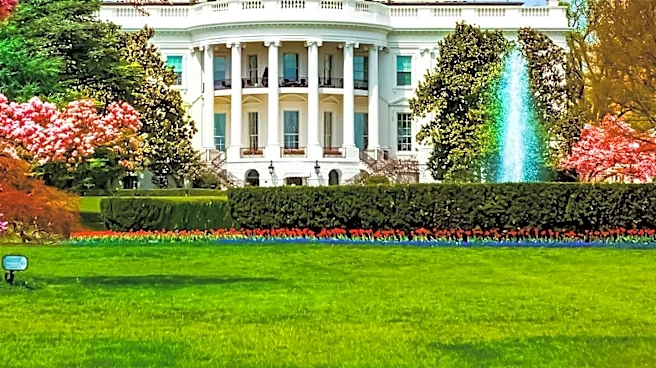
Devlin revealed that one of the film's most iconic scenes—the destruction of the White House—was almost cut due to studio concerns. The studio feared that showing the White House explosion in trailers could be controversial, especially following a recent terrorist attack on a federal building. However, Emmerich argued that the scene's inclusion would generate significant buzz, ultimately persuading the studio to keep it. This decision proved pivotal, as the scene became a defining moment in the film's marketing and success.
Why It's Important?
The decision to retain the White House explosion scene in 'Independence Day' highlights the impact of strategic marketing in the film industry. The scene not only became a visual hallmark of the movie but also played a crucial role in its promotional campaign. By showcasing this dramatic moment in the film's trailer, Emmerich and his team were able to generate significant anticipation and excitement, contributing to the film's box office success. 'Independence Day' grossed $817.4 million worldwide, establishing itself as a cultural touchstone and elevating the careers of its cast, including Will Smith. The film's success underscores the importance of bold creative decisions and their potential to resonate with audiences.
What's Next?
As 'Independence Day' marks its 30th anniversary, the film continues to be celebrated for its contributions to the sci-fi and disaster movie genres. The anniversary provides an opportunity for retrospectives and discussions about its legacy and influence on subsequent films. The success of 'Independence Day' has paved the way for similar high-stakes, visually spectacular films, and its marketing strategies continue to be studied by filmmakers and marketers alike. The film's enduring popularity may also inspire future projects or reboots, as studios seek to capitalize on its established fan base and iconic status.