







What's Happening?
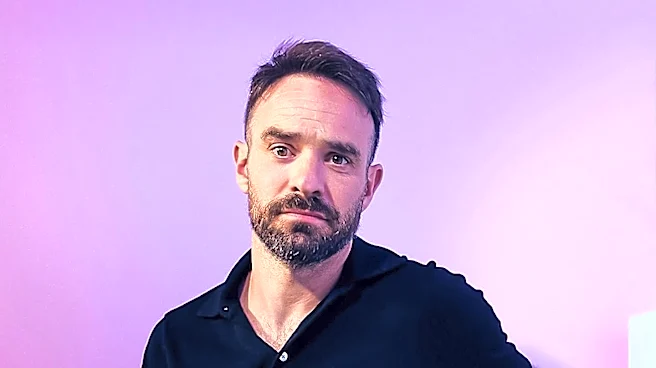
Actor Charlie Cox, known for his role in 'Daredevil,' was reportedly denied an audition for the iconic role of James Bond. According to Cox, he was informed he was 'too old' for the part. This rejection came as a surprise to Cox, especially since Robert
Pattinson, who ultimately secured the role, is only slightly younger than him. Cox expressed his bewilderment during an interview on Virgin Radio UK, noting that he will be 44 next month, while Pattinson is 40. The search for the new James Bond began after Daniel Craig announced his departure from the franchise following 'No Time to Die.' Initial reports suggested producers were looking for a younger, lesser-known actor in their late 20s or early 30s, which had previously ruled out actors like Henry Cavill.
Why It's Important?
This situation highlights the evolving and often subjective criteria used in major Hollywood casting decisions, particularly for globally recognized franchises like James Bond. The discrepancy in age considerations between Cox and Pattinson raises questions about the consistency of casting directives and the potential impact on actors' careers. For actors like Cox, being deemed 'too old' for a role while a peer of similar age is cast can be a significant professional setback, potentially limiting opportunities in high-profile projects. It also underscores the intense competition within the entertainment industry for coveted roles, where factors beyond talent, such as perceived age and marketability, can play a decisive role. The casting of Pattinson, despite being older than the initially stated age range, suggests a shift in the producers' priorities, possibly favoring established talent over a complete newcomer.
What's Next?
The James Bond franchise will proceed with Robert Pattinson in the lead role, with future films expected to roll out. The decision to cast Pattinson, who is 40, suggests a potential re-evaluation of the 'younger actor' mandate that was initially reported. This could mean that future casting calls for major roles in Hollywood might prioritize a blend of experience and star power over strict age requirements. For actors like Charlie Cox, this incident may influence their approach to future auditions, potentially leading them to challenge perceived age biases or seek roles that are less constrained by such criteria. The success of Pattinson in the role will likely set a precedent for how age is considered in future high-stakes casting decisions within the industry.
Beyond the Headlines
The narrative surrounding Charlie Cox's rejection and Robert Pattinson's casting for James Bond touches upon broader societal perceptions of age and capability, particularly in an industry that often values youth. While the entertainment industry frequently faces scrutiny for ageism, this specific instance reveals a nuanced application of such biases, where an actor can be deemed 'too old' at 43, while another at 40 is considered suitable. This raises questions about the arbitrary nature of age cut-offs and how they might disproportionately affect certain actors. It also highlights the power dynamics within major film franchises, where producers' final decisions can override initial guidelines, potentially leading to a more flexible interpretation of casting requirements based on a variety of strategic considerations, including an actor's existing fan base and perceived box office appeal.