



What's Happening?
A growing sentiment among homeowners and interior design enthusiasts suggests that minimalist home decor, while popular, can often be perceived as uninviting and impractical. Discussions on platforms like Reddit highlight common frustrations, such as the
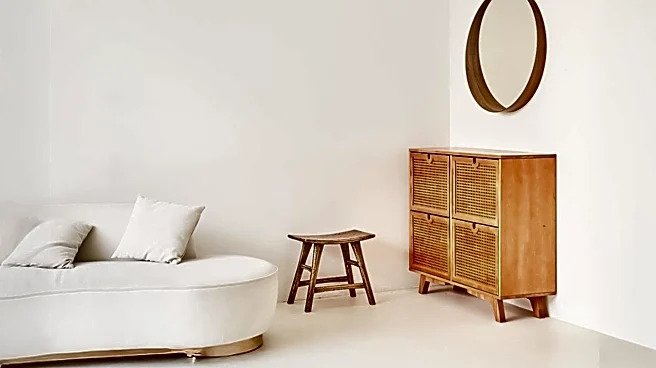
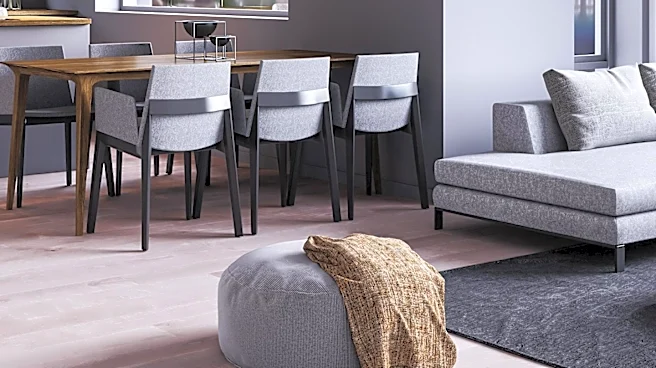
expectation to constantly put away appliances to maintain a pristine, uncluttered look. Critics argue that while the aesthetic appeals to some, it often sacrifices functionality and warmth, making a home feel less lived-in and more like a showroom. This perspective challenges the prevailing minimalist trend, which emphasizes clean lines, essential elements, and a lack of clutter, by pointing out its potential downsides in everyday living. The debate extends to other decor choices, with some finding harsh overhead lighting, fake plants, and excessive use of gray tones to contribute to an unwelcoming atmosphere. The core of the criticism revolves around the idea that extreme minimalism can strip a home of personality and comfort, making guests feel like an 'unwanted addition' to the space.
Why It's Important?
This discussion is important for the U.S. home decor and interior design industries as it reflects a potential shift in consumer preferences or a growing segment of the market that is dissatisfied with current trends. If a significant portion of consumers finds minimalist designs uninviting or impractical, it could lead to a re-evaluation of design principles by manufacturers, retailers, and interior designers. Businesses that cater to home furnishings and decor might need to adapt their offerings to include more functional, personalized, and 'lived-in' aesthetics. This could impact sales of minimalist furniture, decor items, and even the marketing strategies employed by design firms. Furthermore, it highlights a broader cultural conversation about what constitutes a comfortable and welcoming home, potentially influencing how real estate is staged and presented. The emphasis on practicality and personal expression over stark minimalism could foster innovation in design that balances aesthetics with everyday utility, benefiting consumers seeking more adaptable living spaces.
What's Next?
In response to these evolving sentiments, the home decor industry may see a diversification of design trends, moving beyond strict minimalism towards more eclectic or personalized styles. Designers might increasingly focus on creating spaces that are both aesthetically pleasing and highly functional, incorporating elements that allow for personal expression without sacrificing practicality. Retailers could begin to offer a wider range of products that blend minimalist principles with warmer textures, colors, and more visible storage solutions. We might also observe a rise in demand for custom-designed furniture and decor that caters to individual needs and preferences, moving away from mass-produced, one-size-fits-all minimalist items. Educational content from interior design experts may also shift to emphasize balancing trends with personal comfort and utility, guiding consumers to create homes that truly reflect their lifestyles rather than adhering rigidly to a single aesthetic.
Beyond the Headlines
The critique of minimalist home decor touches upon deeper societal implications regarding consumerism, personal identity, and the definition of 'home.' In a society often driven by aspirational aesthetics presented on social media, the pushback against uninviting minimalism suggests a desire for authenticity and comfort over curated perfection. This trend could signify a broader cultural shift where individuals prioritize genuine well-being and personal expression within their living spaces, rather than conforming to externally imposed design ideals. It also raises questions about the environmental impact of constantly updating decor to follow fleeting trends, potentially encouraging a more sustainable approach to home design that values longevity and personal connection over transient styles. The conversation around minimalist decor, therefore, extends beyond mere aesthetics, reflecting evolving values concerning lifestyle, consumption, and the emotional resonance of our immediate environments.