




What's Happening?
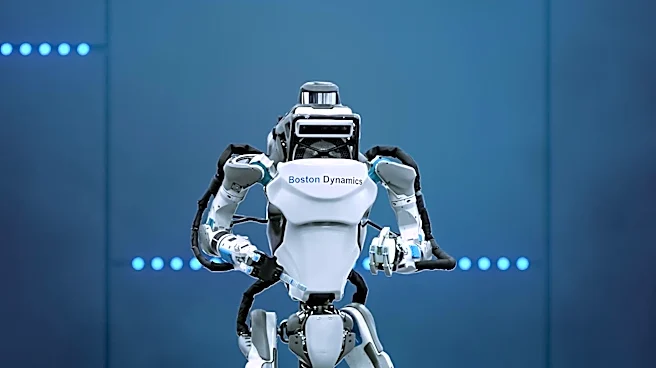
GlobalFoundries, a leading semiconductor manufacturer, is set to become the first chipmaker to test Boston Dynamics' humanoid robot, Atlas, in its facilities starting in early 2027. This marks Atlas's entry into an industry outside of automotive, where
it has primarily been trained. The collaboration is part of an early adopter program that includes workshops to identify use cases, assess integration needs, and begin training Atlas on specific tasks within the complex environment of chip manufacturing plants. Concurrently, GlobalFoundries is expanding its use of Boston Dynamics' quadruped robot, Spot, to additional sites in Malta, New York; Dresden, Germany; and Singapore. Spot robots have already demonstrated significant success, with two units in Singapore covering nearly 900 kilometers and completing over 90,000 inspections with a 99% mission success rate since April. Pradip Singh, chief manufacturing officer at GlobalFoundries, views these initiatives as crucial steps toward AI-enabled manufacturing, aiming to shift from reactive to predictive maintenance through extensive data collection.
Why It's Important?
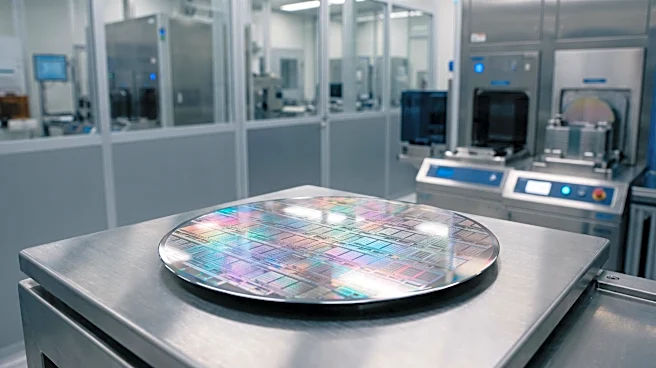
This partnership signifies a pivotal moment for both the semiconductor and robotics industries. For GlobalFoundries, integrating advanced robotics like Atlas and expanding Spot's deployment could revolutionize manufacturing processes by enhancing efficiency, precision, and safety in highly sensitive cleanroom environments. The data collected by Spot robots across thousands of inspection points is already enabling a shift towards predictive maintenance, potentially reducing downtime and operational costs. For Boston Dynamics, securing GlobalFoundries as the first chipmaker to test Atlas validates its strategy of expanding into diverse industrial sectors beyond automotive. The semiconductor industry presents unique challenges, including stringent cleanroom protocols and the handling of hazardous chemicals, making it a critical testbed for the adaptability and robustness of humanoid robots. Success in this sector could open doors for Atlas in other high-tech manufacturing environments, accelerating the adoption of humanoid robotics across various industries and demonstrating their value in complex operational settings.
What's Next?
The initial phase of the Atlas program will involve workshops to define specific use cases and integration requirements, with onsite testing at GlobalFoundries facilities commencing in early 2027. The companies have not yet disclosed which specific fab will host Atlas first, the number of robots involved, or the exact tasks they will undertake. This early adopter program will be crucial for refining Atlas's capabilities for semiconductor manufacturing, potentially leading to broader deployment if successful. Meanwhile, the expanded deployment of Spot robots across GlobalFoundries' global sites will continue to gather valuable data, further optimizing maintenance schedules and operational efficiency. The insights gained from these deployments will likely inform future advancements in AI-enabled manufacturing and robotics integration within the semiconductor industry, potentially setting new benchmarks for automation and operational intelligence. The collaboration also aligns with GlobalFoundries' broader initiative to train its employees in AI, indicating a long-term commitment to technological advancement.
Beyond the Headlines
The integration of advanced robotics like Atlas into semiconductor manufacturing facilities raises profound implications for the future of industrial labor and operational paradigms. While robots can handle repetitive, hazardous, or precision-intensive tasks, their increasing sophistication could lead to a re-evaluation of human roles in manufacturing. This shift necessitates significant investment in workforce retraining and upskilling to manage and collaborate with robotic systems. Furthermore, the deployment of AI-powered robots in critical infrastructure like chip fabs highlights growing concerns around cybersecurity and operational resilience. Ensuring the security of these autonomous systems against potential cyber threats will be paramount to prevent disruptions in the global supply chain for essential electronic components. The success of Atlas in such a demanding environment could also accelerate the development of more versatile and intelligent humanoid robots, pushing the boundaries of what autonomous systems can achieve in complex, human-centric workplaces, thereby influencing ethical discussions around human-robot interaction and the future of work.