




What's Happening?
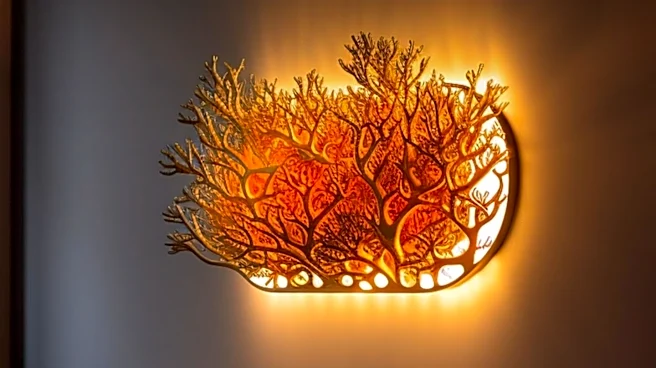
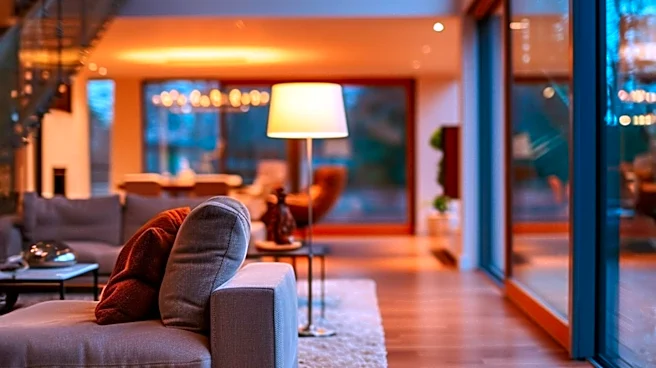
Custom decorative lighting is gaining traction as a method for individuals to personalize their living spaces and enhance interior design. This approach allows for the creation of unique lighting pieces tailored to specific styles, whether modern, rustic,
industrial, or bohemian. Unlike ready-made fixtures, custom lighting provides flexibility in choosing materials such as glass, metal, wood, fabric, or paper, and allows for cost control based on design and material selections. The process involves defining a clear design concept, selecting appropriate materials and light sources like energy-efficient LED bulbs or smart bulbs, and considering the scale and proportion of the fixture relative to the space. Creative ideas for custom lighting include geometric pendant lights, wooden frame lamps, industrial pipe lights, fabric shade lamps, and lighting made from recycled materials. The goal is to transform ordinary spaces into extraordinary ones by ensuring the lighting aligns with the desired mood and aesthetic.
Why It's Important?
The rise of custom decorative lighting signifies a broader trend towards personalization and bespoke design in U.S. homes and businesses. This shift impacts the interior design industry by fostering demand for unique, tailored solutions rather than mass-produced items. For consumers, it offers an opportunity to express individual style and create distinctive atmospheres, potentially increasing satisfaction with their living or working environments. Businesses in the lighting and interior design sectors may see increased opportunities for specialized services, custom fabrication, and the use of diverse materials. This trend also encourages innovation in lighting technology, particularly with the integration of smart features like remote control, adjustable brightness, and color-changing options, which can enhance user experience and energy efficiency. Furthermore, the emphasis on safety and proper installation highlights the importance of professional expertise in electrical work, creating a demand for skilled electricians in this niche market.
What's Next?
The trend towards custom decorative lighting is expected to continue evolving with advancements in technology and design. Future developments may include more sophisticated smart lighting integrations, allowing for greater control and dynamic adjustments to mood and ambiance. There could be an increased focus on sustainable and eco-friendly materials for custom fixtures, aligning with broader environmental consciousness. Interior designers and architects are likely to incorporate custom lighting solutions more frequently into their projects, offering clients highly personalized and unique spaces. DIY enthusiasts may also find more resources and kits available to create their own custom lighting, further democratizing access to personalized design. Additionally, the market for specialized lighting components and materials is anticipated to grow, supporting both professional designers and individual creators in their custom lighting endeavors.
Beyond the Headlines
Beyond its aesthetic appeal, custom decorative lighting touches upon deeper aspects of human psychology and well-being. The ability to control and personalize one's environment, particularly through elements like lighting, can significantly impact mood, productivity, and overall comfort. Thoughtfully designed lighting can reduce eye strain, enhance focus for tasks, and create relaxing atmospheres, contributing to mental and emotional health. Ethically, the emphasis on custom and unique pieces can promote craftsmanship and local artistry, potentially shifting consumer focus away from mass-produced goods and towards more sustainable and ethically sourced products. Culturally, custom lighting reflects a growing desire for individuality and self-expression in personal spaces, moving beyond conventional design norms. This trend also highlights the intersection of art and functionality, where lighting fixtures are not merely utilitarian but also serve as sculptural elements that define and elevate an interior's character.