




What's Happening?
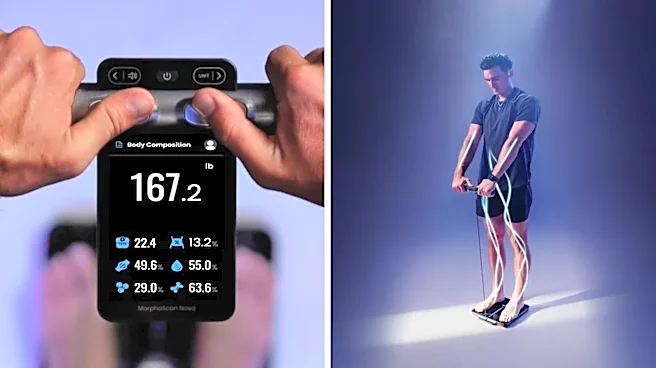
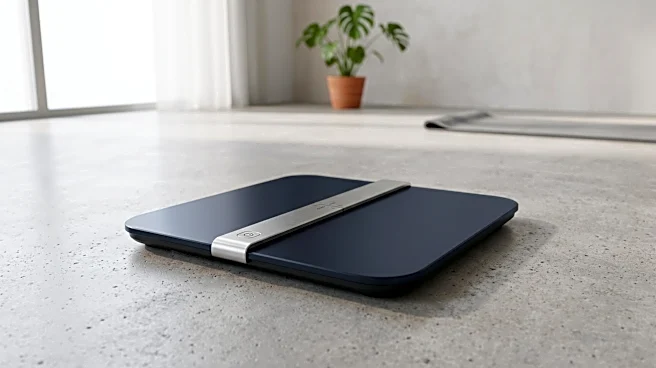
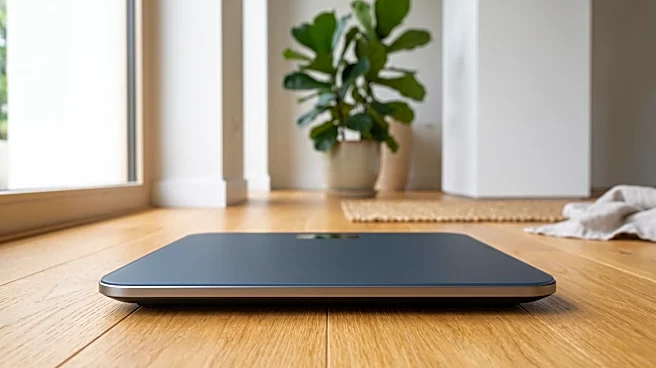
Withings has unveiled a new generation of smart scales, including the BodyScan 2 and BodyFit models, designed to offer more in-depth health analysis than previous versions. The BodyScan 2, positioned as a top-tier device, incorporates a handheld bar with
bioelectric sensors to measure fat and muscle distribution in arms, legs, and the core. It also features an electrocardiograph (ECG) for cardiovascular health analysis, a built-in SpO2 blood oxygen sensor, and capabilities for glucose resilience and nerve response time. Withings claims the BodyScan 2 provides a level of detail comparable to a DEXA scan, making advanced body composition analysis accessible at home. The BodyFit model, a more economical option, retains the handheld sensor system and DEXA-level body analysis, adding features like tracking fat around organs and a 'body profile' to measure skeletal muscle and fat mass beyond basic BMI. Both models integrate with smartphones and wearables, leveraging AI for health progress tracking over time.
Why It's Important?
The introduction of these advanced smart scales signifies a notable shift in consumer health technology, moving beyond basic weight measurement to comprehensive body composition and physiological analysis. This development is important for individuals seeking detailed insights into their health without requiring frequent clinical visits. By providing data on muscle mass, fat distribution, cardiovascular health, and other biomarkers, these devices empower users to make more informed decisions about their fitness and wellness routines. The ability to track subtle changes over time, such as improvements in heart health or muscle gain, can enhance motivation and adherence to health goals. For the healthcare industry, these scales could potentially serve as a tool for remote monitoring and early detection of certain health trends, although they are not diagnostic devices. The integration of AI further refines data interpretation, offering personalized health insights and progress tracking.
What's Next?
The immediate next step for Withings is the market availability and adoption of these new smart scales. As consumers begin to use these devices, feedback on their accuracy, user experience, and practical utility will be crucial. Competitors in the smart health device market may respond by developing their own advanced features or by refining existing technologies to match or surpass Withings' offerings. We can anticipate continued innovation in bio-sensing technology, with future iterations potentially incorporating even more health metrics or integrating with broader digital health ecosystems. The long-term trend suggests a move towards more personalized and preventative healthcare, with smart devices playing an increasingly central role in daily health management. Further research may also emerge comparing the accuracy of these home devices against clinical gold standards, influencing their perceived reliability and utility.
Beyond the Headlines
Beyond the immediate technological advancements, these smart scales raise broader implications regarding data privacy and the interpretation of complex health metrics by consumers. As these devices collect highly personal health data, questions about data security, ownership, and how this information is used become increasingly pertinent. There's also an ethical dimension to consider: while detailed health data can be empowering, it can also lead to anxiety or misinterpretation if not presented with proper context or professional guidance. The comparison to DEXA scans, a medical-grade diagnostic tool, highlights the blurring lines between consumer wellness devices and clinical instruments. This trend could lead to a greater demand for health literacy among users and potentially new regulatory frameworks for consumer health tech to ensure accuracy, privacy, and responsible data handling. The long-term impact could be a more proactive approach to health management, but it also necessitates careful consideration of the societal and individual implications of ubiquitous health monitoring.