




What's Happening?
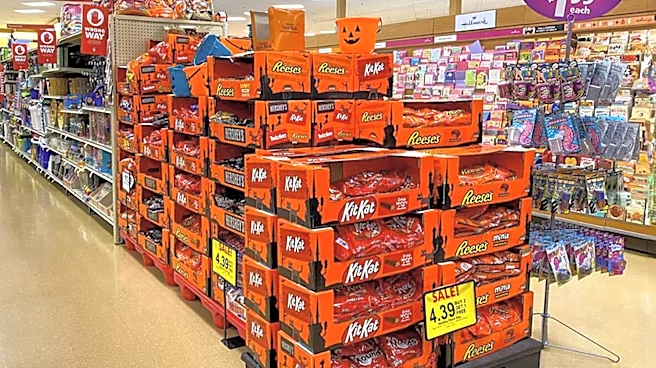
Mondelez International, a global snack food company, is actively recruiting Part-Time Merchandiser/Order Writers across the United States. These roles are crucial for maintaining the in-store presence of popular brands such as Oreo, Ritz, belVita, Chips
Ahoy!, and Triscuit. Merchandisers are responsible for building relationships with store personnel, stocking shelves, executing promotional displays, and ensuring products are consistently in stock. They use iPads and Salesforce for ordering and managing inventory, and are expected to represent Mondelez with professionalism and a commitment to customer service. The position requires individuals to be at least 18 years old, possess a valid driver's license and insurance, and be capable of physical tasks including lifting and moving products. The company emphasizes the importance of these frontline roles in driving sales and ensuring brand visibility in retail environments. Mondelez International operates extensively in the U.S., which is its largest market, with numerous corporate offices, manufacturing, sales, and distribution facilities.
Why It's Important?
This recruitment drive by Mondelez International highlights the critical role of in-store merchandising in the competitive U.S. snack food market. By investing in a robust merchandising team, Mondelez aims to strengthen its market position, ensure product availability, and effectively execute promotional strategies at the point of sale. This directly impacts consumer purchasing decisions, as well-stocked shelves and attractive displays can significantly influence sales volumes. For the U.S. retail sector, a strong merchandising presence from major brands like Mondelez can lead to more organized and visually appealing store environments, potentially enhancing the overall shopping experience. Furthermore, these part-time roles offer employment opportunities, contributing to local economies and providing flexible work options for individuals seeking entry into the retail or consumer goods industry. The emphasis on direct store delivery (DSD) merchandising excellence underscores the company's strategy to maintain direct control over its product presentation and availability.
What's Next?
Mondelez International will continue to onboard and train new Part-Time Merchandiser/Order Writers to cover various retail locations across the U.S. These new hires will integrate into existing retail teams, focusing on executing daily store visits, implementing promotional plans, and maintaining strong relationships with store management. The company will likely monitor the effectiveness of its merchandising efforts through sales data, in-store audits, and feedback from both merchandisers and retail partners. Successful execution of these roles is expected to lead to improved product visibility, increased sales, and enhanced brand loyalty for Mondelez's portfolio of snack brands. The ongoing recruitment suggests a sustained commitment to direct in-store engagement as a core component of their U.S. market strategy, potentially leading to further expansion of their merchandising workforce in response to market demands and new product launches.
Beyond the Headlines
The ongoing demand for in-store merchandisers like those sought by Mondelez International reflects a broader trend in the consumer packaged goods (CPG) industry where physical retail presence remains vital despite the growth of e-commerce. While online shopping offers convenience, the impulse nature of snack purchases often relies on immediate availability and visual appeal in brick-and-mortar stores. This highlights the enduring importance of the 'last mile' of retail execution, where brand success can be significantly influenced by how products are presented on shelves. The role of a merchandiser also involves subtle brand ambassadorship, as they are the direct human interface between the corporate brand and the retail environment. This human element, fostering relationships with store staff and ensuring optimal product placement, is a critical differentiator that technology alone cannot fully replicate, underscoring the continued value of human capital in driving consumer engagement and sales in the physical retail landscape.