






What's Happening?
A study conducted by Mass General Brigham, Boston University, and the Concussion & CTE Foundation has found that NFL players are four times more likely to die from neurodegenerative diseases compared to the general population. The study analyzed data
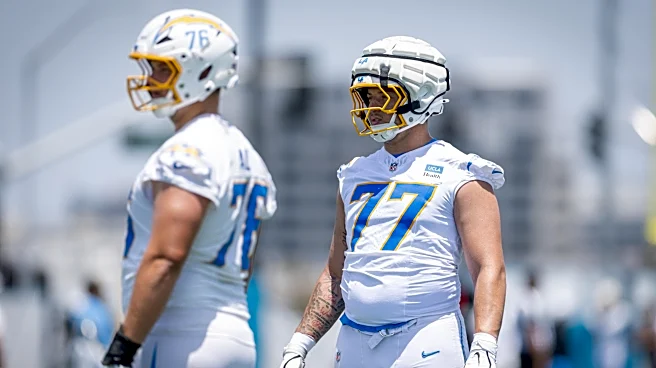
from 19,824 NFL players who played between 1960 and 2019, revealing that younger players, particularly those who died before age 60, had significantly higher rates of neurodegenerative death. The study also found that skill-position players had a higher incidence of neurodegenerative diseases than linemen, potentially due to greater cumulative g-force exposure.
Why It's Important?
The findings of this study highlight the serious health risks associated with playing professional football, particularly concerning neurodegenerative diseases like dementia and Parkinson's. This research provides strong evidence of the long-term health impacts of repeated head trauma, which could influence public policy and safety regulations in sports. The study's results may lead to increased scrutiny of the NFL's safety practices and could prompt changes in how the sport is played and regulated to protect players' health.
What's Next?
The study's authors suggest that reducing the total amount of force to the head experienced by players could decrease the risk of neurodegenerative diseases. This could involve changes in how contact sports are played and practiced, as well as when athletes begin playing. The NFL and other sports organizations may need to consider implementing stricter safety measures and protocols to protect players. Further research is likely to continue exploring the links between sports-related head injuries and long-term health outcomes.