





What's Happening?
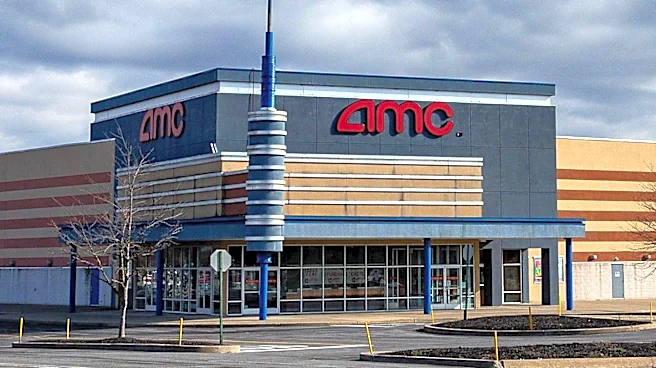
AMC Theatres is actively resisting the closure of its 15-screen cinema in Kips Bay, Manhattan, which is slated for January 3. NYU Langone Health System intends to acquire the property to expand its medical facilities, leading to the termination of AMC's
lease by the current building owner. AMC CEO Adam Aron has publicly expressed the company's desire to remain, stating that the decision to close is being forced upon them. Despite the general trend of declining movie theater attendance due to streaming, the AMC Kips Bay 15 has reportedly performed well, ranking among AMC's top 10 most-attended U.S. cinemas on several occasions this past summer. Local elected officials, including Manhattan Borough President Brad Hoylman-Sigal and Councilwoman Virginia Maloney, are supporting efforts to save the cinema and a supermarket located in the same building, advocating for community needs in any proposed redevelopment.
Why It's Important?
This situation highlights the ongoing tension between urban development, institutional expansion, and the preservation of community cultural and commercial spaces. The potential loss of the AMC Kips Bay 15 represents more than just the closure of a movie theater; it signifies the erosion of shared public spaces that contribute to the social fabric of a neighborhood. For the entertainment industry, the closure of a successful urban cinema, even in the face of broader industry challenges, underscores the vulnerability of physical exhibition spaces to real estate pressures. NYU Langone Health's expansion, while serving a critical public health need, directly impacts local businesses and residents who rely on these amenities. The involvement of local politicians indicates the broader community concern over maintaining a balance between growth and preserving neighborhood character and services.
What's Next?
The immediate future involves the impending January 3 closure date for the AMC Kips Bay 15, unless a resolution is reached. AMC CEO Adam Aron has indicated that time is short, and without intervention from NYU Langone Health, the theater will close. Local elected officials are continuing to engage with NYU Langone to influence their plans for the site, advocating for the inclusion of a movie theater, a supermarket, and housing in any proposed rezoning. The outcome will depend on negotiations between NYU Langone, the current property owner, AMC, and community representatives. The situation could lead to further public protests or legal challenges if a compromise is not found, as the community and AMC are determined to prevent the closure.
Beyond the Headlines
This conflict extends beyond a simple real estate transaction, touching upon the broader urban planning challenges faced by densely populated cities like New York. It raises questions about the prioritization of different types of public services and amenities—medical facilities versus cultural and entertainment venues. The case also reflects the evolving role of physical spaces in a digital age; while streaming offers convenience, the communal experience of a movie theater remains valuable to many. The strong community and political support for AMC Kips Bay 15 suggests a desire to retain local character and resist the complete homogenization of urban environments. This situation could set a precedent for how similar disputes are handled in other urban areas, balancing the needs of large institutions with the preservation of local businesses and community life.