





What's Happening?
The Indonesia International Modest Fashion Festival (IN2MOTIONFEST) X Jakarta Muslim Fashion Week (JMFW) 2026 successfully concluded, aiming to establish Indonesia as a global sourcing hub for modest fashion. Held from October 14 to 18, 2026, at the Jakarta International Convention
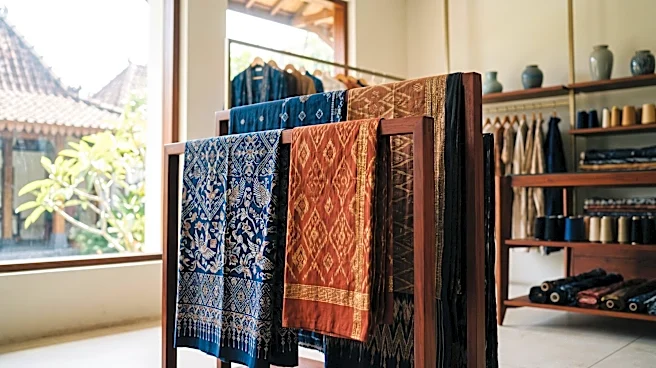
Center, the event focused on 'Indonesia's Integrated Modest Fashion Ecosystem: Transforming Modest Fashion Brands into Global Business.' This initiative strengthened integration across the modest fashion value chain and fostered industry collaboration. A strategic partnership between Bank Indonesia, the Ministry of Trade, the Indonesian Fashion Chamber (IFC), and other stakeholders supported the event. Bank Indonesia's Indonesian Sharia Creative Industry (IKRA) program aids the upstream sector, while the Ministry of Trade facilitates international business matching. A key highlight was the showcasing of Wastra Nusantara, Indonesia's traditional textiles, by local and international designers. The event featured 20 fashion shows with 215 national and international designers, presenting 1,785 creations, and recorded 112 deals in Wastra Business Matching.
Why It's Important?
The emergence of Indonesia as a significant player in the modest fashion industry, particularly as a sourcing hub, has notable implications for the U.S. market. As global consumer demographics shift and demand for modest fashion grows, U.S. retailers and brands may look to Indonesia for sourcing, design inspiration, and manufacturing partnerships. This development could lead to increased diversity in fashion offerings within the U.S., catering to a broader range of consumer preferences. For U.S. businesses, understanding and engaging with this growing market could unlock new economic opportunities, but also present challenges in navigating different cultural and business practices. The focus on traditional textiles like Wastra Nusantara also highlights the potential for unique, ethically sourced products, which aligns with increasing consumer demand for sustainable and culturally rich goods in the U.S. This could influence U.S. supply chains and design trends, fostering greater cross-cultural collaboration in the fashion sector.
What's Next?
Indonesia plans to advance its position as a global trendsetter in modest fashion, as evidenced by the Indonesian Modest Fashion Trend Forecasting 2027/2028 seminar held during the event. The Ministry of Creative Economy supports initiatives to showcase Indonesian traditional textiles and strengthen intellectual property protection for designers. The Ministry of Tourism also highlighted the event's potential to attract international tourists through shopping tourism. The continuous innovation and strategic partnerships are expected to solidify Indonesia's global competitiveness. Future efforts will likely focus on expanding international market partnerships, further integrating traditional crafts into global modest fashion, and enhancing B2B infrastructure through trade shows, masterclasses, and buyer programs. The goal is to continue driving retail sales and business matching values, building on the success of the recent event which saw a 4% year-over-year increase in visitors and significant growth in retail sales and business matching values.
Beyond the Headlines
The rise of Indonesia as a modest fashion sourcing hub reflects a broader global trend of cultural and economic empowerment in non-Western regions. This movement challenges the traditional dominance of Western fashion capitals and promotes a more diverse and inclusive global fashion landscape. For the U.S., this implies a need to adapt to evolving global market dynamics, where cultural authenticity and ethical production are increasingly valued. The emphasis on traditional textiles and intellectual property protection also raises important questions about cultural heritage, fair trade, and sustainable practices in the global supply chain. As modest fashion gains traction, it could also influence social perceptions and cultural understanding within the U.S., fostering greater appreciation for diverse styles and traditions. This shift could lead to a re-evaluation of fashion education, design, and marketing strategies in the U.S. to better engage with and respond to these global cultural currents.