




What's Happening?
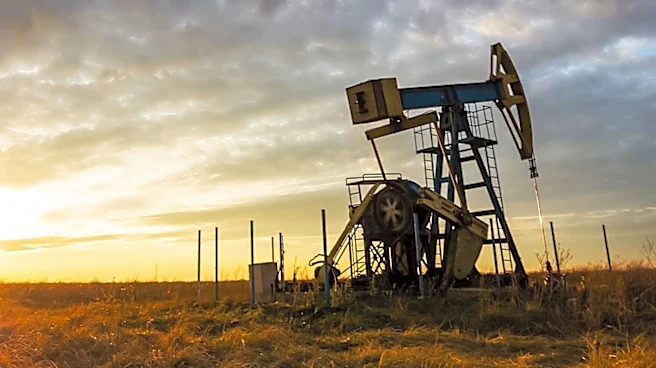
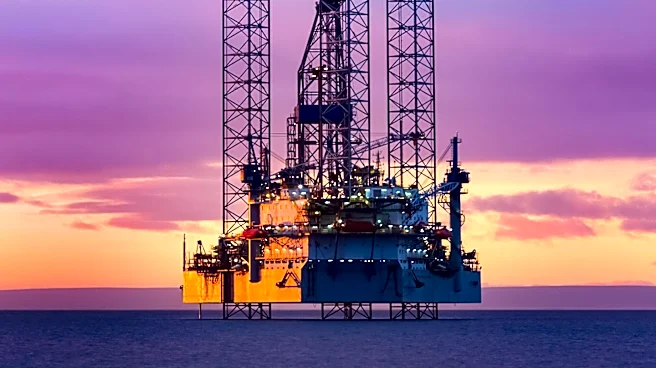
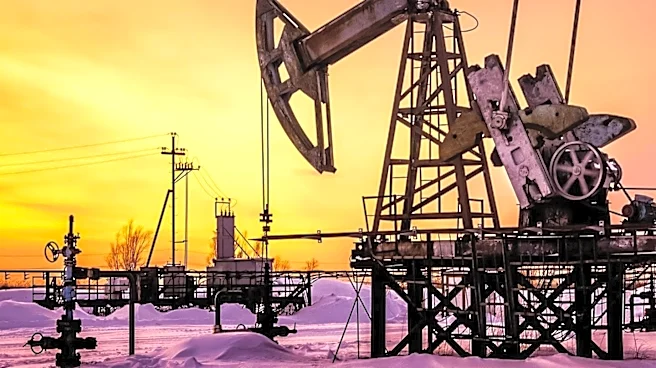
Consumers in the U.S. are facing potential price increases in groceries and back-to-school items due to rising oil prices, which have surpassed $100 a barrel. The increase is attributed to geopolitical tensions in the Middle East, affecting global oil supplies.
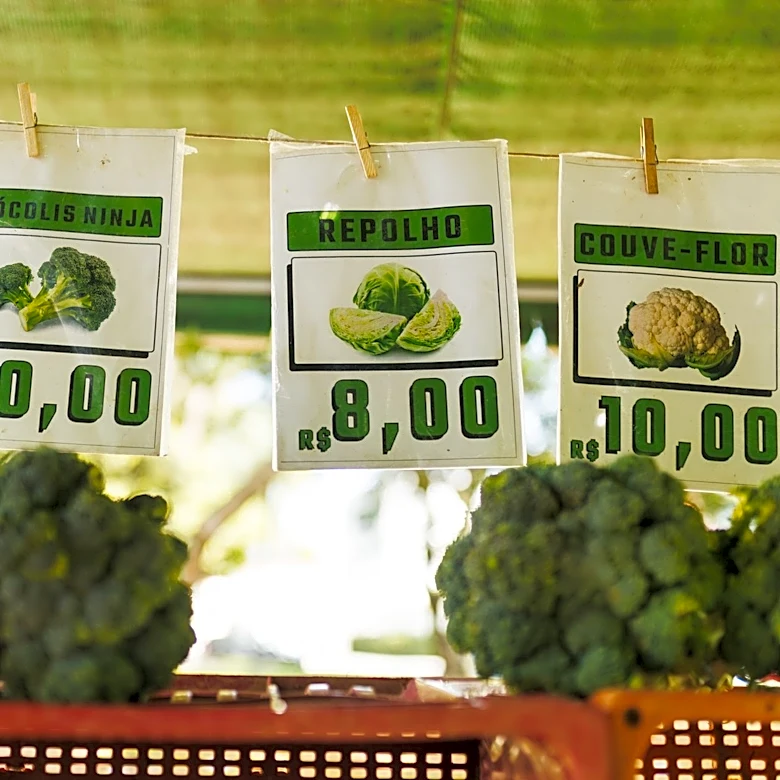
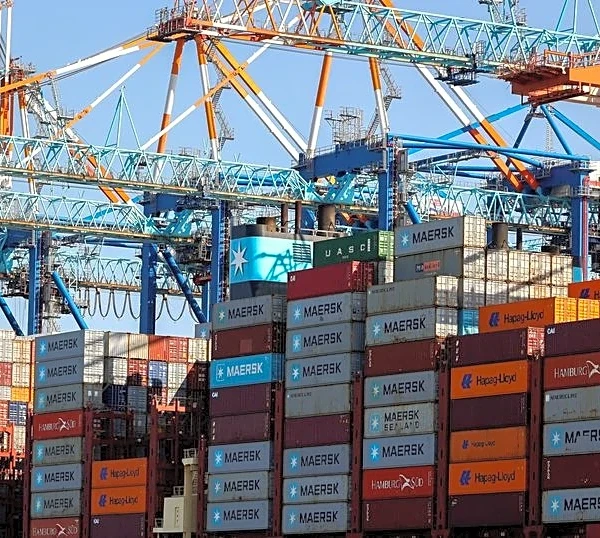
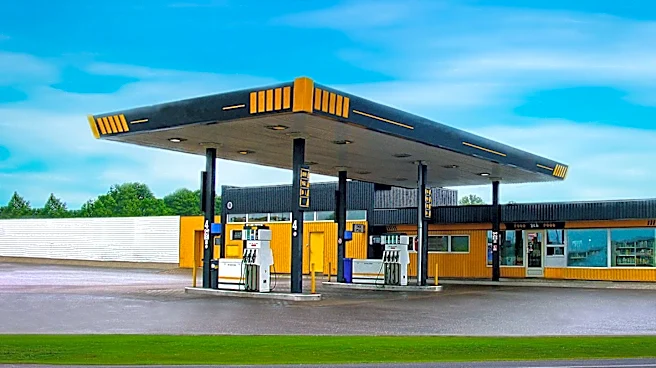
Higher oil prices lead to increased transportation costs, impacting the cost of goods that rely on shipping, such as fresh produce and imported items. Grocery chain Albertsons has already adjusted its fiscal outlook, citing these pressures. The situation is compounded by rising fuel surcharges from shipping companies like UPS and FedEx.
Why It's Important?
The rise in oil prices has a cascading effect on various sectors, particularly those reliant on transportation and logistics. As fuel costs increase, businesses face higher operational expenses, which are often passed on to consumers. This can lead to inflationary pressures, affecting household budgets and consumer spending. The impact on essential goods like groceries and school supplies is particularly concerning, as it affects everyday living costs. Additionally, the situation highlights the vulnerability of supply chains to geopolitical events, underscoring the need for strategies to mitigate such risks.
What's Next?
If oil prices remain high, consumers can expect continued price increases in various goods and services. Businesses may need to explore alternative supply chain strategies to manage costs, such as optimizing logistics or seeking local suppliers. Policymakers might also consider interventions to stabilize prices or provide relief to affected industries. The situation could prompt further discussions on energy independence and the development of sustainable energy sources to reduce reliance on volatile oil markets.