




What's Happening?
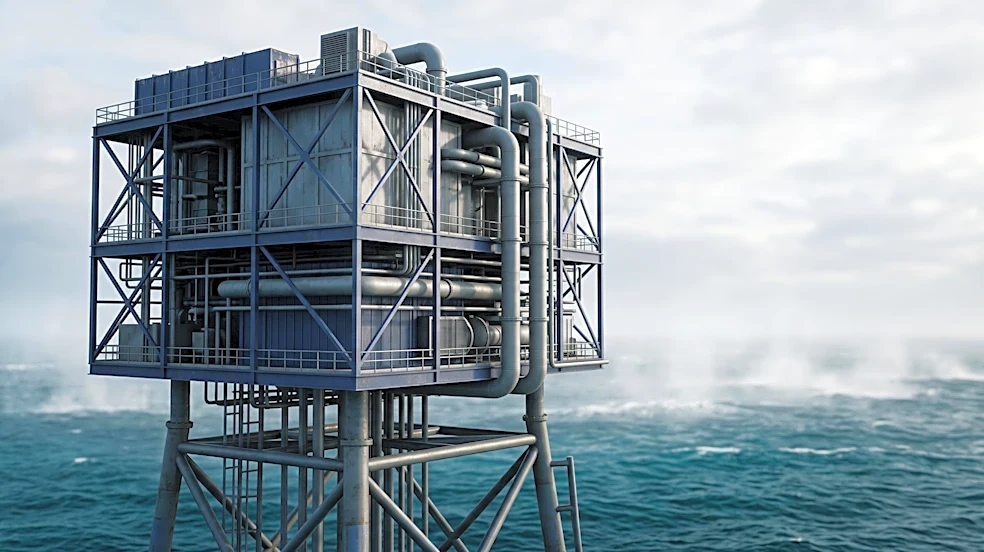
Equinor, in collaboration with its Troll partners, has decided to scale back the Troll West Electrification (TWEL) project. The original plan, outlined in the field's 2021 development and operation plan (PDO), included installing a second electric export
compressor on Troll C. However, this second compressor will not be installed. The project will now be considered complete once the first electric export compressor on Troll C is commissioned. This decision was communicated to Norway's Ministry of Energy. The rationale behind this adjustment is to prevent a temporary loss of gas production capacity from Troll C, which would have occurred during the installation of the second compressor. Such an installation would have cut Troll C production for up to 21 months. Since 2023, the Troll field has been operating at maximum capacity year-round, making any disruption to output significant. The company stated that this move will make approximately 2.3 billion cubic meters (81 billion cubic feet) more gas available to Europe in 2027 and 2028.
Why It's Important?
This decision by Equinor highlights the complex balance between energy security, environmental goals, and economic considerations, particularly in the context of European energy supply. By prioritizing gas output, Equinor is responding to the ongoing demand for natural gas in Europe, which has been a critical concern, especially in recent years. While the TWEL project has already reduced CO2 emissions from the Troll area by about 330,000 metric tons per year, achieving roughly 75% of the planned reduction, the choice to forgo further electrification in favor of sustained gas production underscores the immediate need for energy availability. This could impact the pace of decarbonization efforts in the energy sector, as it signals a pragmatic approach to energy transition that considers current geopolitical and economic realities. The Troll field is a cornerstone of Europe's energy supply, and ensuring its continuous operation at high capacity directly affects energy prices and stability across the continent, benefiting consumers and industries reliant on gas.
What's Next?
The TWEL project will proceed with the commissioning of the first electric export compressor on Troll C, marking its completion in its revised scope. Equinor anticipates that this strategic adjustment will ensure an additional 2.3 billion cubic meters of gas supply to Europe during 2027 and 2028. This sustained gas output is expected to contribute to Europe's energy security in the near term. The company's senior vice president for project development, Trond Bokn, emphasized that this solution balances emission reductions, energy deliveries, and value creation. Future decisions regarding further electrification or emission reduction measures at the Troll field will likely depend on evolving energy market dynamics, technological advancements, and regulatory frameworks. The ongoing operation of Troll as a major gas supplier will continue to be a key factor in Europe's energy landscape for years to come, with potential implications for energy policy and investment in alternative energy sources.
Beyond the Headlines
The decision to scale back electrification at the Troll field reveals a broader tension within the energy industry and among governments: how to reconcile immediate energy needs with long-term climate objectives. While the initial TWEL project aimed for significant CO2 reductions, the current modification underscores that energy supply stability can, at times, take precedence over accelerated decarbonization, especially when faced with high demand and potential supply disruptions. This situation could influence future energy policies, potentially leading to more nuanced approaches that integrate both fossil fuel production and renewable energy expansion. It also highlights the economic and logistical challenges of transitioning away from established energy sources, particularly for large-scale operations like the Troll field. The trade-off between immediate energy security and environmental targets will likely remain a central theme in global energy discussions, impacting investment decisions, technological development, and international energy cooperation.