
What's Happening?
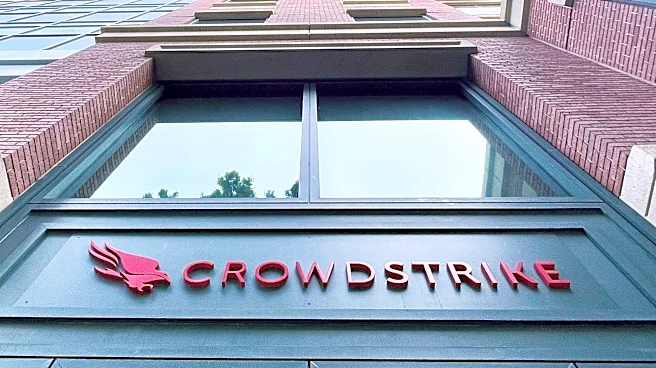
CrowdStrike has announced its agreement to acquire Zscaler in an all-stock deal valued at $43.9 billion, marking the largest cybersecurity acquisition on record. This transaction aims to combine CrowdStrike’s
endpoint and workload protection capabilities with Zscaler’s zero-trust platform, which secures access to applications, networks, and enterprise data. Zscaler shareholders are set to receive 1.135 CrowdStrike shares for each share they own, representing a premium of approximately 34% to Zscaler’s previous closing price. Upon completion, CrowdStrike shareholders will own around 84% of the combined entity. The deal is anticipated to close in the second half of CrowdStrike’s fiscal 2028, pending regulatory approvals and other customary conditions. Until then, both companies will operate independently. The acquisition is driven by the increasing sophistication of cyberattacks, particularly those leveraging artificial intelligence, necessitating a more comprehensive and unified security solution for corporate and government clients.
Why It's Important?
This monumental acquisition signifies a major consolidation within the cybersecurity industry, driven by the escalating threat landscape and the need for integrated security solutions. By merging CrowdStrike's endpoint protection with Zscaler's zero-trust access, the combined entity aims to offer a more robust and holistic security platform, addressing a wider range of cyber threats. This integration is particularly crucial as AI-driven cyberattacks become more prevalent and complex, requiring advanced defenses that span across various IT infrastructures. The deal is expected to generate over $10 billion in recurring revenue and approximately $1 billion in annual revenue synergies within 30 months, alongside $500 million in annual cost savings within 18 to 24 months. This consolidation could reshape the competitive landscape, potentially pressuring smaller cybersecurity firms and encouraging further mergers and acquisitions. For customers, it promises a simplified vendor ecosystem and potentially more effective security, but also raises concerns about market concentration and reduced choice.
What's Next?
The immediate next steps involve navigating the regulatory approval process, which could be complex given the size of the transaction and the critical nature of cybersecurity. Antitrust scrutiny is a possibility, as noted by analysts, due to the significant market presence of both companies. If approved, the focus will shift to the integration of the two distinct technologies and corporate cultures. CrowdStrike CEO George Kurtz will lead the combined company, with Zscaler CEO Jay Chaudhry joining CrowdStrike’s board and continuing to run the Zscaler business. The companies will need to demonstrate their ability to achieve the projected synergies and cost savings while maintaining customer satisfaction and innovation. The market will closely monitor the combined entity's performance, particularly its ability to deliver on the promise of a unified, advanced security platform capable of countering evolving cyber threats. The deal's outcome will also influence future M&A activity in the cybersecurity sector.
Beyond the Headlines
This acquisition reflects a broader trend in the technology sector where companies are seeking to build comprehensive platforms to address complex challenges, rather than offering siloed solutions. The increasing sophistication of cyber threats, particularly those powered by artificial intelligence, is forcing a re-evaluation of traditional security architectures. The integration of endpoint protection and zero-trust access under one roof represents a strategic move towards a more proactive and adaptive security posture. However, such large-scale mergers also bring challenges, including potential integration difficulties, cultural clashes, and the risk of alienating existing customers who may prefer specialized vendors. The deal's success will depend not only on technological synergy but also on effective organizational alignment and sustained innovation. Furthermore, the consolidation of cybersecurity power raises questions about data privacy, potential single points of failure, and the influence of a few dominant players on the future of digital security. This transaction could set a precedent for how the industry responds to the ever-growing sophistication of cyber warfare.