



What's Happening?
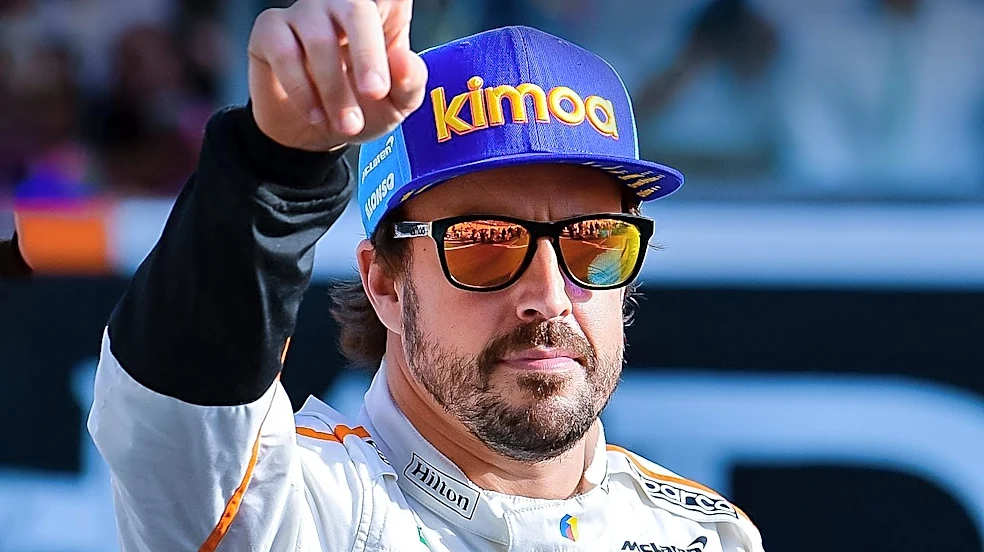
Fernando Alonso, the Aston Martin driver, has reported significant performance issues with his Honda power unit during the Singapore Grand Prix. Alonso experienced problems with drivability and turbo lag, which he claims cost him considerable lap time.
Both Aston Martin cars started the race from the pit lane after qualifying difficulties. Alonso noted that his car struggled with energy deployment, particularly after virtual safety car periods, which prevented him from making overtakes and led to him losing positions. He estimated losing approximately two seconds on restarts and between 200 to 300 meters on every straight due to these issues. Despite the car feeling strong on soft tires during the first stint, the deployment problems persisted throughout the race. Alonso stated that the power unit was not performing as it should have been during the weekend and has called for an investigation before the upcoming triple-header races in Mexico and Las Vegas.
Why It's Important?
This development is significant for Aston Martin and Honda, as it raises concerns about the reliability and performance consistency of their power unit. For Aston Martin, consistent power unit performance is crucial for competing at the front of the Formula 1 grid and maximizing their championship points. Unresolved issues could hinder their progress and impact their standing in the Constructors' Championship. For Honda, a major engine supplier in Formula 1, these reported problems could tarnish their reputation for engineering excellence and reliability. If the issues are systemic, it could lead to broader questions about their power unit development and quality control. The demand for an investigation highlights the urgency of addressing these concerns, especially with critical races approaching that feature different track characteristics, which could further expose or exacerbate any underlying problems.
What's Next?
Fernando Alonso has explicitly demanded an investigation into the Honda power unit's performance before the Formula 1 season moves to Mexico and Las Vegas. The immediate next step will involve Aston Martin and Honda engineers thoroughly analyzing telemetry data and the power unit itself to identify the root cause of the drivability and turbo lag issues. Honda has reportedly disputed Alonso's claim about a broken turbo, suggesting a potential disagreement or differing interpretations of the problem. The outcome of this investigation will determine whether any hardware changes, software adjustments, or operational procedures need to be implemented. The team will be under pressure to resolve these issues quickly, as the upcoming races present different challenges, particularly Mexico with its high altitude and slow-speed corners, which could be further impacted by power unit deficiencies. The performance in these next races will be a critical test of their ability to diagnose and rectify the reported problems.
Beyond the Headlines
The reported power unit issues could have deeper implications for the long-term partnership between Aston Martin and Honda. While specific details of their agreement are confidential, consistent performance problems could strain the relationship and potentially influence future collaborations or engine supply agreements in Formula 1. From a technical standpoint, understanding whether the issues are specific to Singapore's unique track characteristics or indicative of a broader power unit flaw is crucial. If it's a broader flaw, it could signal a competitive disadvantage for Honda-powered teams against rivals like Mercedes, Ferrari, and Renault. This situation also underscores the intricate balance between driver feedback and engineering data in high-stakes motorsport. Alonso's detailed feedback, even if disputed in part by Honda, necessitates a thorough examination to maintain driver confidence and optimize car performance, which is paramount for success in Formula 1.