
What's Happening?
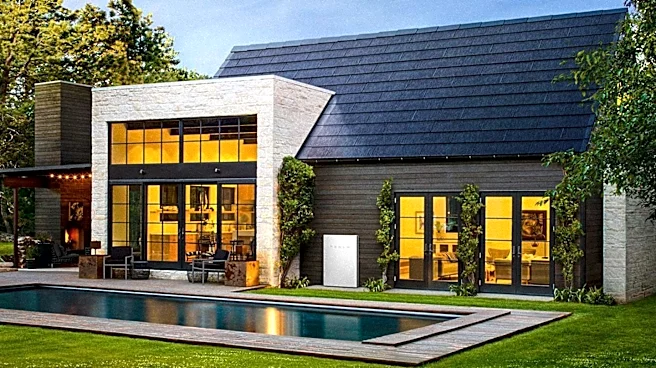
Smart home technology is increasingly becoming a standard expectation in luxury real estate, moving beyond basic connectivity to offer fully integrated systems that manage climate, lighting, music, and security.
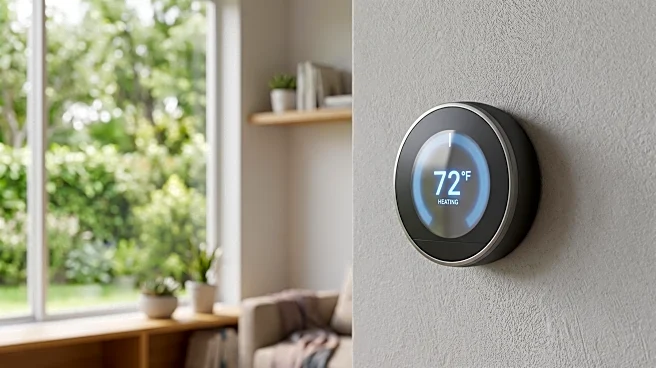
High-end buyers now anticipate whole-home automation that allows for customized 'modes' activated by smartphones or voice commands. Elevated security systems incorporate facial recognition, AI-powered threat detection, and 24/7 remote monitoring. Smart sustainability features, such as intelligent lighting systems, automated blinds, and smart thermostats, are also crucial, reflecting a growing demand for energy-efficient and eco-conscious living. Outdoor living spaces are also being integrated with smart tech, including weather-responsive irrigation and built-in smart grills.
Why It's Important?
This evolution in luxury smart homes signifies a broader trend towards intelligent living, where technology enhances comfort, security, and sustainability. For the real estate market, incorporating these advanced features can significantly boost a property's appeal and value, making them a must-have for discerning buyers. The focus on seamless integration ensures that technology enhances aesthetics rather than detracting from them, which is vital for the luxury segment. The emphasis on smart sustainability also reflects a growing consumer awareness and demand for environmentally responsible solutions, positioning eco-tech as a symbol of status. This trend is driving innovation in smart home devices and systems, pushing manufacturers to develop more sophisticated and integrated solutions that cater to high-end consumer expectations.
What's Next?
The demand for integrated smart home systems in luxury properties is expected to continue to grow, influencing design and construction standards. Developers and builders will increasingly incorporate these technologies from the outset, rather than as aftermarket additions. Future innovations will likely focus on even more personalized and predictive automation, with AI playing a larger role in anticipating user needs and optimizing home environments. The market will also see further advancements in sustainable smart home solutions, as energy efficiency and environmental impact become even more critical considerations for luxury buyers. The competition among technology providers to offer the most seamless, secure, and aesthetically integrated solutions will intensify, driving continuous product development and partnerships.
Beyond the Headlines
The rise of smart home technology in luxury living highlights a growing divide in access to advanced home automation. While high-end properties are setting new standards for integrated, intelligent living, the ethical implications of such advancements for broader society warrant consideration. Issues of data privacy and security become more pronounced with comprehensive home systems, as more personal data is collected and processed. Furthermore, the increasing sophistication and cost of these systems could widen the gap between those who can afford cutting-edge home technology and those who cannot, potentially exacerbating socioeconomic inequalities. Addressing these concerns through inclusive design principles and robust data protection regulations will be crucial to ensure that the benefits of smart home technology are eventually accessible to a wider population.