



What's Happening?
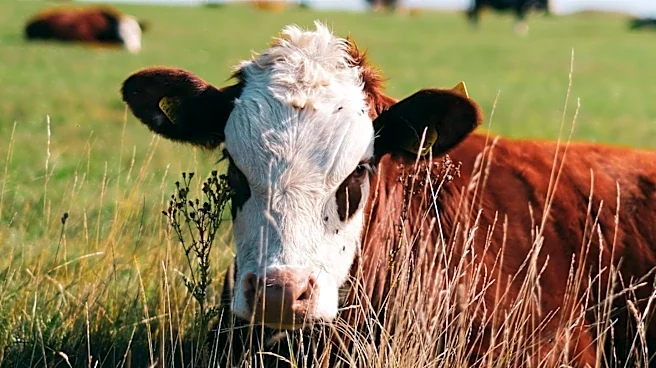
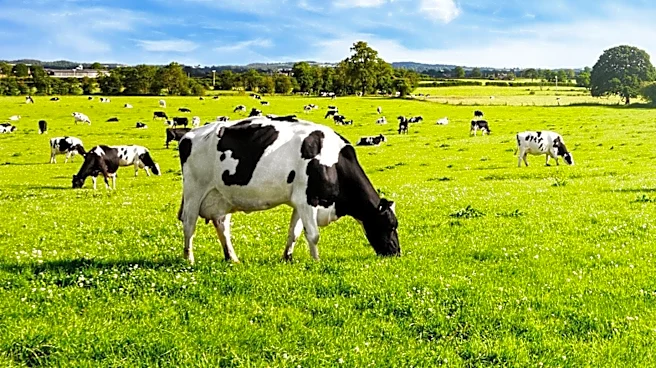
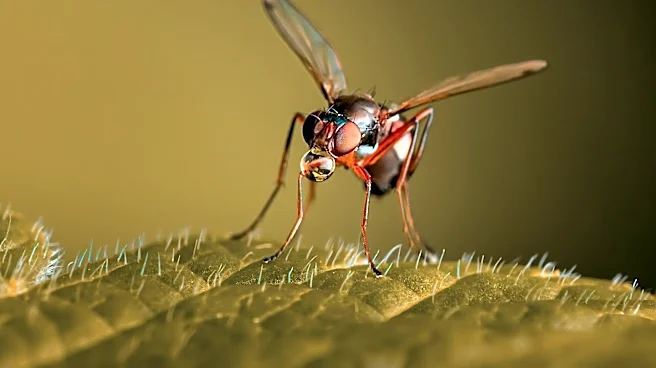
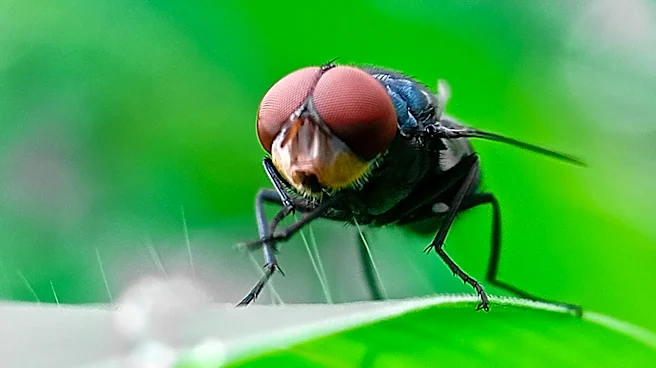
The United States Department of Agriculture (USDA) announced a $25 million investment to establish a sterile fly dispersal facility in Douglas, Arizona. This initiative aims to combat the New World screwworm, a pest threatening livestock. The facility will
release sterile flies to reduce the pest population, supporting the planned reopening of the Sonora cattle trade on August 24, 2026. The project involves collaboration with local and state leaders, including representatives Andy Biggs and Eli Crane. The USDA emphasizes the importance of maintaining strict sanitary protocols to ensure the safe resumption of cattle trade between the U.S. and Mexico.
Why It's Important?
The investment is crucial for protecting the livestock industry in Arizona and neighboring regions. The New World screwworm poses a significant threat to cattle, potentially causing severe economic losses. By establishing a facility to control the pest population, the USDA aims to safeguard the agricultural sector and facilitate international trade. The initiative also highlights the importance of cross-border cooperation in addressing agricultural challenges. Successful implementation could serve as a model for similar efforts in other regions facing pest-related issues.
What's Next?
The USDA will work with the Arizona Department of Agriculture to finalize the facility's location and operational model. Construction is expected to conclude in a few months, contingent on site readiness. The reopening of the Douglas port for cattle trade will depend on Mexico's compliance with agreed sanitary measures and ongoing risk assessments. The USDA will continue to monitor the situation, with potential adjustments to the plan if new risks emerge. The facility's success could lead to further investments in pest control infrastructure.
Beyond the Headlines
The use of sterile insect techniques represents a sustainable approach to pest management, reducing reliance on chemical pesticides. This method aligns with broader environmental goals and could enhance the U.S.'s reputation in sustainable agriculture. The initiative also underscores the interconnectedness of global agricultural markets and the need for collaborative solutions to shared challenges.