

What's Happening?
The 28th Annual San Francisco International Hip Hop DanceFest (SFIHHDF) is set to feature a diverse array of hip-hop dance companies from around the world. This event, presented by Micaya, is recognized as the first festival globally to present hip-hop dance on a proscenium
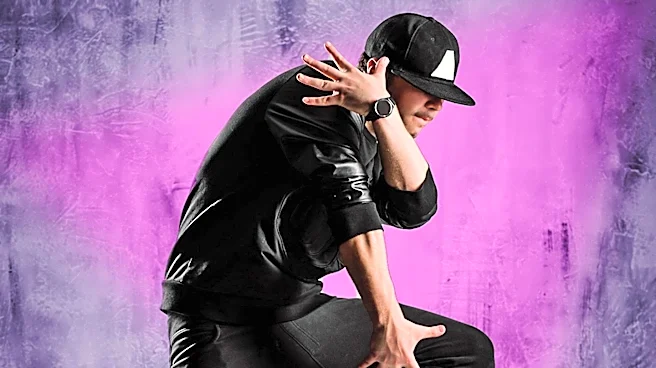
stage in a non-competitive environment, aiming to elevate the art form while honoring its historical legacy. This year's festival will include performances from dance artists representing Japan, Montreal, Mexico City, Detroit, Los Angeles, and the Bay Area. Attendees can expect a wide range of hip-hop styles, including breaking, popping, locking, waacking, krump, and house, showcased through intricate choreography, masterful technique, and compelling storytelling. The festival emphasizes community building and cultural preservation, offering an experience that goes beyond typical performances.
Why It's Important?
The San Francisco International Hip Hop DanceFest plays a crucial role in the global recognition and preservation of hip-hop dance as a legitimate art form. By providing a non-competitive proscenium stage, it shifts the perception of hip-hop dance from street culture to theatrical performance, thereby broadening its audience and critical appreciation. The festival's international scope fosters cultural exchange, allowing diverse styles and interpretations of hip-hop to be shared and celebrated. This not only enriches the art form but also strengthens global connections within the hip-hop community. For the Bay Area, it solidifies its position as a significant hub for cultural events and artistic innovation, attracting international talent and promoting local engagement in the arts.
What's Next?
The festival is scheduled to continue its tradition of bringing together world-class dance and fostering community engagement. Future iterations are likely to maintain its international focus, potentially expanding to include artists from even more diverse geographical locations. The event's success could inspire similar non-competitive hip-hop dance festivals in other major cities, further elevating the art form globally. Continued emphasis on educational aspects, such as workshops or masterclasses by featured artists, could also be a natural progression, offering deeper engagement for aspiring dancers and enthusiasts. The festival's role as a cultural landmark suggests its ongoing commitment to preserving and evolving hip-hop dance culture for future generations.
Beyond the Headlines
The SFIHHDF's commitment to presenting hip-hop dance in a non-competitive, theatrical setting challenges traditional notions of dance and performance. This approach helps to dismantle stereotypes often associated with hip-hop culture, promoting it as a sophisticated and diverse art form capable of profound artistic expression. By highlighting various styles and their global interpretations, the festival underscores the adaptability and universal appeal of hip-hop. It also serves as a platform for storytelling and cultural identity, allowing dancers to express their heritage and experiences through movement. This elevation of hip-hop dance contributes to a broader cultural dialogue about art, identity, and community, fostering greater understanding and appreciation across different societal groups.