





What's Happening?
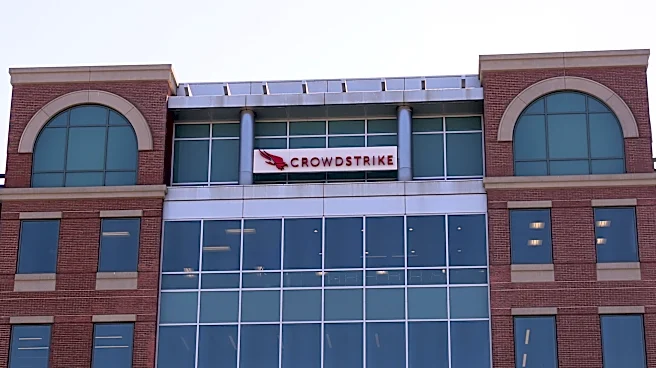
CrowdStrike has announced new AI security integrations and expanded partnerships with Lovable, EY, Amazon Web Services (AWS), and Anthropic. These collaborations, unveiled at Fal.Con Europe, aim to extend CrowdStrike's Falcon platform to cover AI-built
applications, autonomous agents, and cloud infrastructure. The initiative responds to the rapid adoption of AI by enterprises, which is expanding the attack surface for cyber threats. Key developments include integrating Lovable workspaces into CrowdStrike Falcon Shield for enhanced security visibility in AI-built applications, extending Falcon Guardian to Amazon Bedrock AgentCore Guardrails for protection against prompt injection and data leakage in AI applications on AWS, and introducing a Falcon sensor for Amazon Elastic Container Service (ECS) Managed Instances. Additionally, EY is building its frontier AI and cyber resilience business on the Falcon platform, committing to training its cyber workforce on the platform and bringing CrowdStrike SafeMind capabilities to market. CrowdStrike is also integrating Falcon Guardian into Anthropic’s Claude Cowork to monitor and secure AI agents from creation through execution.
Why It's Important?
These expanded partnerships and integrations are crucial for U.S. businesses and the broader cybersecurity landscape as they address the growing security challenges posed by the rapid adoption of artificial intelligence. As organizations increasingly leverage AI for development and operations, the attack surface expands, creating new vulnerabilities for sensitive data and critical systems. CrowdStrike's efforts to secure AI-built applications, autonomous agents, and cloud infrastructure directly impact the resilience of U.S. enterprises against sophisticated cyberattacks. The collaboration with major cloud providers like AWS and AI developers like Anthropic ensures that security measures are integrated at foundational levels, potentially reducing the risk of data breaches and intellectual property theft. Furthermore, EY's commitment to building its AI and cyber resilience business on the Falcon platform signifies a broader industry trend where professional services are adapting to provide specialized AI-driven managed security offerings, which can benefit numerous U.S. companies seeking expert guidance in this complex area. This move helps protect critical infrastructure and sensitive data, fostering trust in AI adoption across various sectors.
What's Next?
The immediate next steps involve the implementation and broader adoption of these new integrations and partnerships. Channel partners, including Managed Service Providers (MSPs), Managed Security Service Providers (MSSPs), and systems integrators, are expected to see increased demand for services related to AI security posture management, data protection, and access controls. EY's plan to train its cybersecurity workforce on the Falcon platform over the next year will likely lead to a more robust ecosystem of skilled professionals capable of deploying and managing AI-native security solutions for clients. The ongoing collaboration with AWS and Anthropic will focus on refining and expanding the protective capabilities of Falcon Guardian within their respective AI environments. This continuous development aims to keep pace with evolving AI technologies and emerging threat models, ensuring that enterprises can confidently scale their AI initiatives while maintaining strong security postures. The success of these integrations will likely influence future partnerships and product development in the AI security domain.
Beyond the Headlines
The deeper implications of CrowdStrike's expanded AI security initiatives extend to the ethical and regulatory dimensions of AI use. As AI agents become more autonomous and integrated into enterprise systems, ensuring their secure operation is not just a technical challenge but also an ethical imperative to prevent misuse or unintended consequences. The focus on protecting against prompt injection and sensitive data leakage highlights the critical need for responsible AI development and deployment, where security is embedded from the design phase. This trend could lead to the development of new industry standards and best practices for AI security, potentially influencing future regulatory frameworks in the U.S. and globally. The shift towards AI-native security platforms also signifies a long-term transformation in cybersecurity, moving beyond traditional perimeter defenses to more intelligent, adaptive, and proactive protection mechanisms that can handle the dynamic nature of AI-driven environments. This evolution will likely reshape how organizations approach risk management and compliance in the digital age.