


What's Happening?
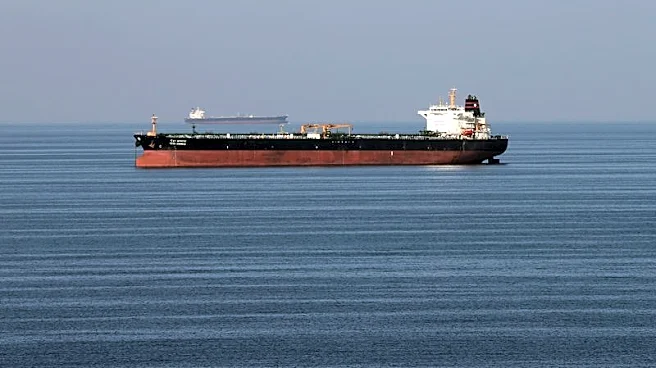
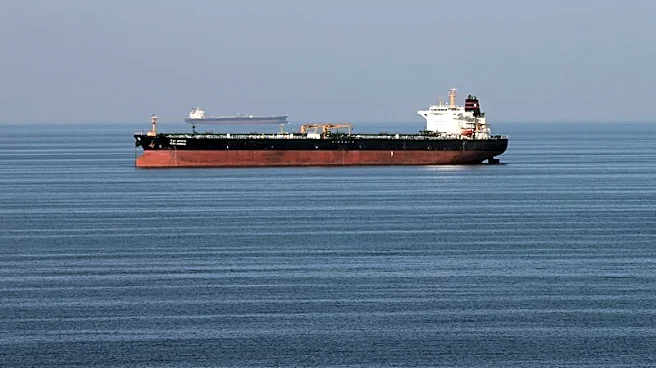
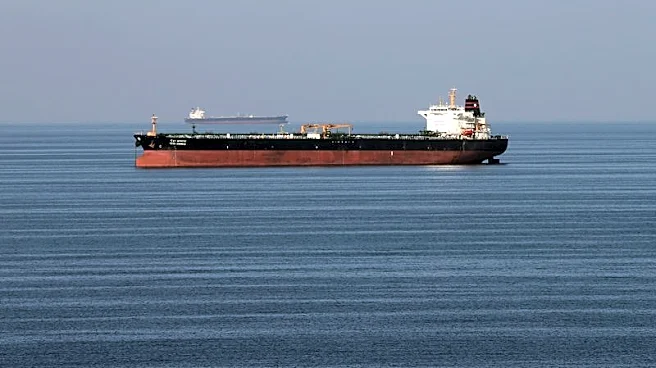
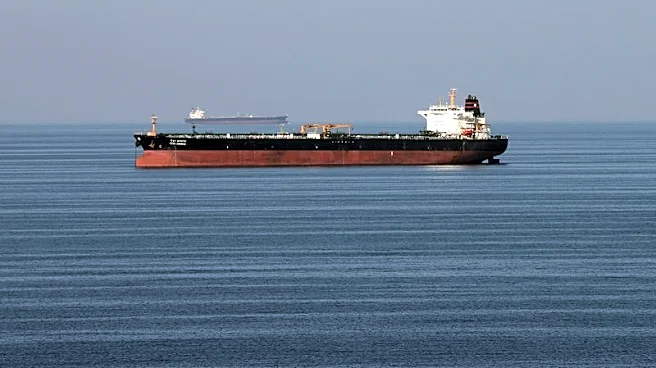
For the first time in 41 years, the United States did not import any Saudi Arabian crude oil in July 2026. This unprecedented halt is attributed to severe logistical breakdowns in the Middle East, particularly due to escalating U.S.-Iran hostilities that
have disrupted maritime trade routes. The closure of the Strait of Hormuz has created significant supply chain bottlenecks, forcing U.S. refiners to seek alternative sources. Companies like Phillips 66 have drastically reduced their reliance on Middle Eastern oil, turning instead to domestic and Venezuelan sources.
Why It's Important?
The cessation of Saudi oil imports underscores the fragility of global oil supply chains in the face of geopolitical tensions. This shift could lead to increased oil prices and volatility in the U.S. energy market. The reliance on alternative sources like Venezuela may alter geopolitical dynamics and influence U.S. foreign policy. Additionally, the situation highlights the need for energy diversification and resilience in U.S. procurement strategies to ensure stability and security.
What's Next?
U.S. refiners will continue to adapt their strategies to manage the supply disruptions. The potential for resumed Saudi imports depends on geopolitical developments, particularly in the Persian Gulf. The U.S. government and energy sector will likely focus on enhancing energy security and exploring sustainable alternatives to mitigate future risks. Ongoing monitoring of the situation will be crucial for stakeholders to navigate the complex energy landscape.