
What's Happening?
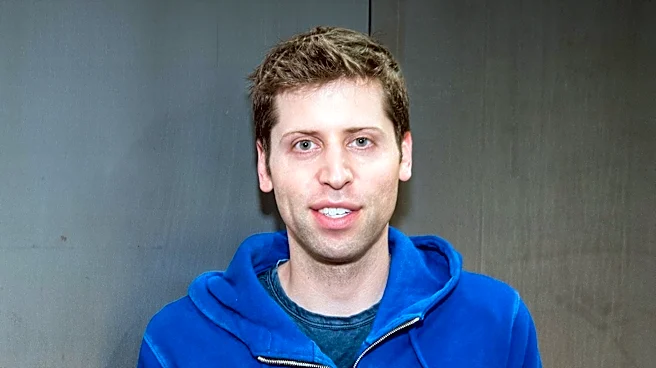
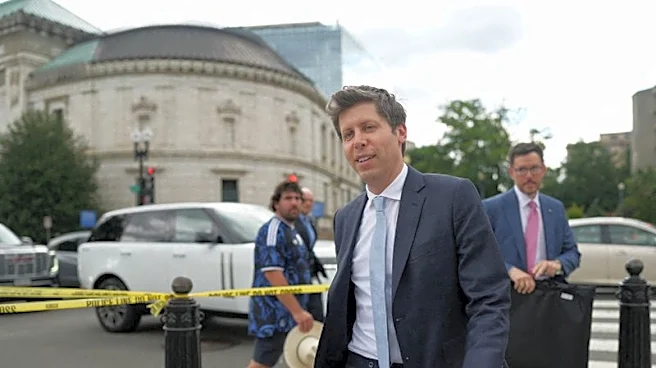
Sam Altman, CEO of OpenAI, has expressed skepticism regarding the potential of artificial intelligence (AI) to significantly reduce working hours. In a recent interview, Altman stated that despite advancements in AI, the long-anticipated reduction in work hours,
such as a four-hour workweek, is unlikely to materialize. He suggested that in a future dominated by superintelligent AI, people might find themselves busier than expected. Altman acknowledged that while AI can enhance productivity, it often leads to new tasks and professional expectations, rather than reducing overall work time. This perspective aligns with a study from the Harvard Business Review, which found that AI tools tend to intensify work rather than diminish it, leading to increased cognitive load and potential burnout.
Why It's Important?
Altman's comments highlight a critical debate in the tech industry about the impact of AI on labor. While AI promises efficiency and productivity, it also raises concerns about job displacement and increased workloads. The notion that AI could lead to more work rather than less challenges the optimistic view that technology will free up time for leisure and personal pursuits. This has significant implications for workforce management, employee well-being, and economic productivity. Companies and policymakers must consider these dynamics as they integrate AI into various sectors, balancing technological benefits with human-centric work practices.