




What's Happening?
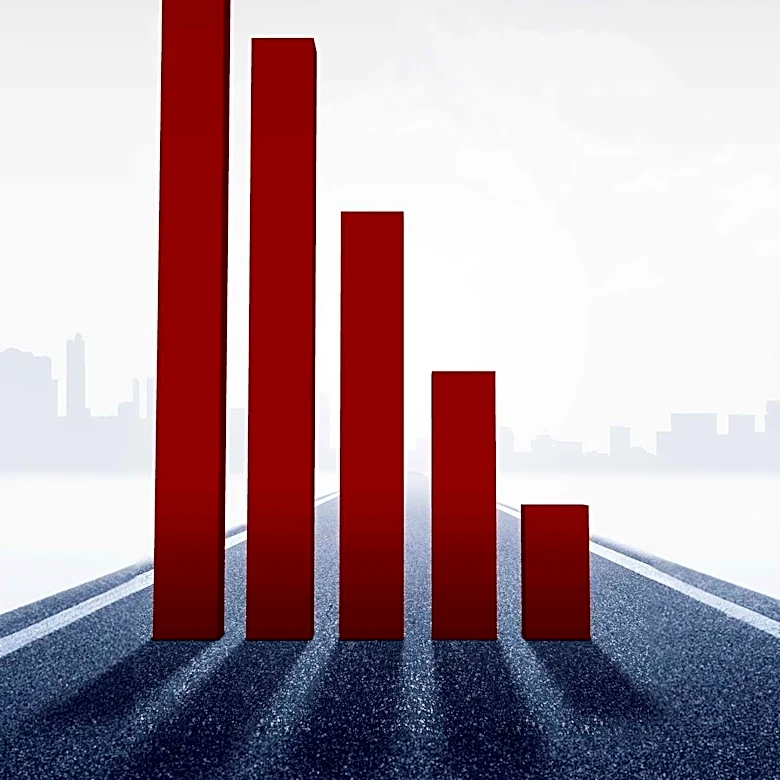
Tesla has experienced a significant drop in its stock value, falling 18% in a single week following its second-quarter earnings report. Despite reporting strong revenue and achieving over $100 billion in trailing-12-month sales for the first time, the company's
stock suffered its worst one-week performance since 2022. The decline is attributed to concerns over Tesla's dwindling margins and increased operating expenses, which rose by 47% to $4.35 billion. Additionally, Tesla reported negative free cash flow of $1.1 billion for the quarter. The company's ambitious spending plans, particularly in artificial intelligence and autonomous driving technology, have raised investor concerns about future profitability.
Why It's Important?
Tesla's stock performance is crucial as it reflects investor confidence in the company's long-term growth and profitability. The recent decline highlights the challenges Tesla faces in balancing ambitious technological advancements with financial sustainability. The company's focus on AI and autonomous driving technology requires substantial investment, which could strain its financial resources. This situation underscores the broader industry challenge of integrating cutting-edge technology while maintaining profitability. Investors and stakeholders will be closely watching Tesla's ability to manage costs and deliver on its technological promises.
What's Next?
Tesla's future performance will depend on its ability to address investor concerns and demonstrate the viability of its spending plans. The company may need to provide clearer guidance on capital expenditures and potential returns on investment in AI and autonomous technology. Regulatory approval for autonomous driving technology will also play a critical role in Tesla's future success. Investors will be looking for signs of improved margins and cash flow in upcoming quarters to regain confidence in the company's growth trajectory.