





What's Happening?
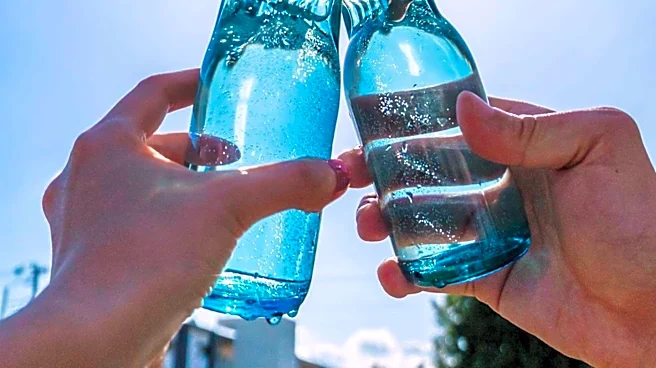
A Japanese drinks guide provides insights into popular beverages, distinguishing between carbonated and non-carbonated options. Among the non-carbonated selections, Calpis (also known as Calpico) is highlighted as a milky drink with a smooth, slightly
tangy taste reminiscent of yogurt. The guide notes that Calpis is available in its original non-carbonated version, Calpis Water, and a carbonated variant, Calpis Soda. Other popular Japanese drinks mentioned include Ramune, an iconic carbonated lemonade, and various fruit sodas. The guide emphasizes key criteria for choosing Japanese drinks, such as origin, composition, and the type of desired experience, while also advising on pitfalls like artificial flavors and misleading packaging.
Why It's Important?
This guide is important for consumers interested in Japanese culture and beverages, offering a curated selection and practical advice for navigating the diverse market. For the U.S. market, where Japanese food and drink culture has a significant following, such information can drive consumer choices and influence import trends. The distinction between carbonated and non-carbonated options, particularly the emphasis on Calpis, caters to varying taste preferences and health considerations. As consumers increasingly seek authentic and unique international products, guides like this help to educate and inform, potentially boosting the popularity and availability of specific Japanese brands and drink types in the U.S. It also highlights the cultural significance of certain drinks, like Calpis in manga, which can resonate with a broader audience.
What's Next?
The continued popularity of Japanese culture in the U.S. suggests that demand for authentic Japanese beverages, including non-carbonated options like Calpis Water, will likely grow. Retailers and distributors in the U.S. may expand their offerings to include a wider variety of Japanese drinks, catering to informed consumers seeking specific flavors and experiences. Manufacturers of Japanese beverages might also increase their export efforts to the U.S., potentially adapting their marketing strategies to highlight cultural connections, such as the drink's appearance in popular media. Educational resources like this guide could also lead to more informed purchasing decisions, encouraging consumers to look beyond novelty and focus on product authenticity and composition.
Beyond the Headlines
The guide's emphasis on authenticity, origin, and composition reflects a broader consumer trend towards transparency and natural ingredients in the food and beverage industry. This focus on 'Made in Japan' and the presence of real juice or natural flavors aligns with a growing demand for high-quality, less processed products. The cultural context provided, such as Calpis's popularity in manga, illustrates how media and cultural exchange can significantly influence consumer preferences and product adoption across international borders. This interplay between cultural phenomena and consumer goods highlights the deeper impact of globalization on dietary habits and market trends, extending beyond mere product availability to encompass a holistic cultural experience.