




What's Happening?
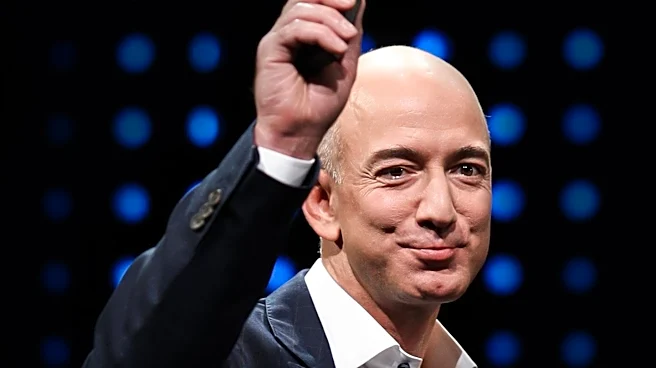
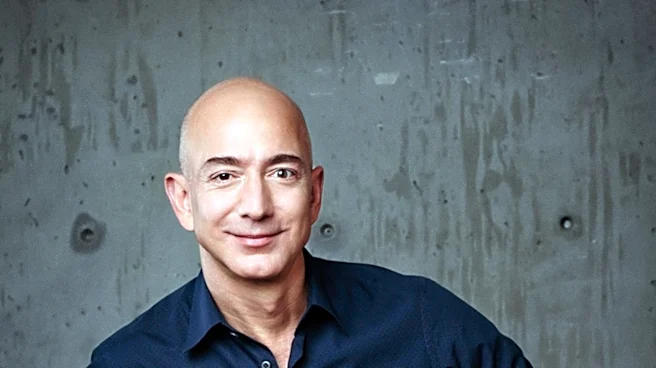
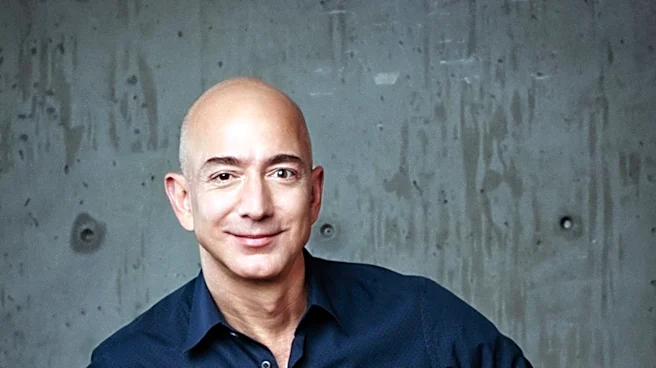
Jeff Bezos, the founder of Amazon, famously implemented a practice of leaving one seat open in Amazon meetings. This empty chair was designated to represent the customer, whom Bezos considered the most crucial individual in the room. This symbolic gesture
served as a constant reminder to executives that every decision made within the company ultimately had to serve the interests of the customers purchasing from Amazon. This philosophy was a cornerstone of Amazon's growth, evolving from an online bookstore into one of the world's most valuable companies. Bezos often highlighted the rapid spread of customer dissatisfaction in the digital age, noting that unhappy customers online could influence thousands, compared to a handful in the physical world. This customer-centric approach contributed to Amazon's high customer satisfaction scores, with the company achieving 83 out of 100 on the American Customer Satisfaction Index in 2023, and becoming one of the most visited e-commerce platforms globally. Bezos transitioned from his role as Amazon CEO in 2021, with Andy Jassy taking over.
Why It's Important?
This customer-first strategy, exemplified by the 'empty chair,' is significant because it underscores the profound impact that a deeply ingrained customer focus can have on business success and market dominance. For U.S. industries, it highlights the importance of prioritizing consumer experience, especially in the digital realm where feedback and sentiment can spread rapidly and widely. Companies that adopt similar customer-centric models are more likely to build strong brand loyalty and achieve sustained growth. The success of Amazon, built on this principle, demonstrates that understanding and responding to customer needs is not just a marketing tactic but a fundamental operational philosophy. This approach can lead to higher customer satisfaction, increased sales, and a competitive edge in various sectors, influencing how businesses design products, services, and customer interactions. The lesson from Bezos's method is that the customer's perspective should be central to strategic decision-making at all levels.
What's Next?
The legacy of Bezos's customer-centric approach is likely to continue influencing Amazon's operational strategies under current CEO Andy Jassy. Other companies, particularly those in e-commerce and technology, may continue to study and adapt similar methodologies to enhance their own customer engagement and satisfaction. The emphasis on customer feedback and experience is expected to remain a critical factor in business success, driving innovations in customer service, product development, and user interface design. As digital platforms evolve, the speed and scale at which customer opinions can be shared will only increase, making the 'empty chair' philosophy even more relevant. Businesses that fail to prioritize customer satisfaction risk losing market share to competitors who effectively integrate customer perspectives into their core operations. This ongoing focus will likely lead to further advancements in personalized customer experiences and more responsive business models across various industries.
Beyond the Headlines
Beyond its immediate business implications, Bezos's 'empty chair' philosophy touches upon broader ethical and cultural dimensions within corporate governance. It suggests a model where the ultimate stakeholder—the customer—is given an almost tangible presence in decision-making processes, even if symbolically. This approach can foster a culture of accountability and empathy within an organization, pushing employees and leaders to constantly consider the end-user's perspective. Ethically, it aligns with principles of consumer welfare and transparency, encouraging businesses to act in the best interest of those they serve. Culturally, it promotes a mindset where customer feedback is not just data but a guiding principle, potentially leading to more ethical product development and service delivery. This long-term shift could encourage a more responsible form of capitalism, where corporate success is intrinsically linked to genuine customer value and satisfaction, rather than solely profit maximization.