






What's Happening?
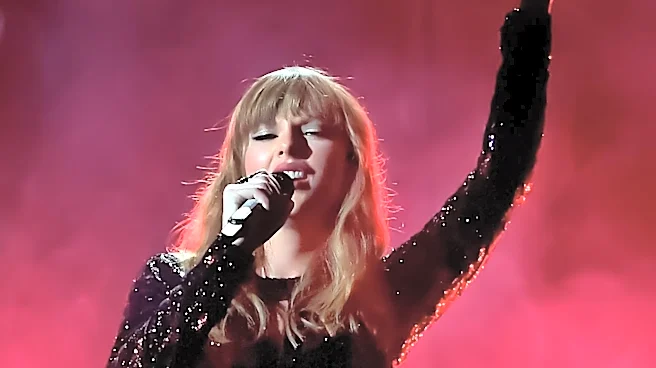
Taylor Swift's legal team, TAS Rights Management, is facing renewed criticism following allegations from several small business owners who claim their livelihoods were jeopardized due to the singer's intellectual property protection efforts. A TikTok
user's video sparked a wave of comments, including one from a new mother who stated her Etsy shop of ten years was banned in 2022, and another seller who claimed their car decal business was shut down despite not using trademarked lyrics or Swift's name. These incidents have brought back scrutiny to TAS Rights Management's history of sending cease-and-desist letters to Etsy creators for merchandise featuring Swift's lyrics and branding, dating back to 2015, particularly concerning phrases from her '1989' era and the 'Taylor's Version' designation.
Why It's Important?
This situation highlights the complex and often contentious intersection of intellectual property rights, celebrity branding, and small business entrepreneurship in the U.S. While artists have a legal right to protect their trademarks and copyrights, the aggressive enforcement against small, independent creators can lead to significant economic hardship for individuals. This controversy raises questions about the ethical implications of large corporations and wealthy individuals pursuing legal action against smaller entities, especially when the alleged infringement might be perceived as minor or unintentional. It also fuels public debate about the balance between protecting creative works and fostering a vibrant, accessible marketplace for independent artists and sellers, potentially impacting public perception of the artist and their brand.
What's Next?
The renewed criticism, largely amplified through social media, could prompt further public discussion and scrutiny of intellectual property enforcement practices in the entertainment industry. While there are no immediate legal actions against Swift or her team mentioned, the ongoing public outcry could influence how TAS Rights Management approaches future intellectual property disputes, potentially leading to a reevaluation of their strategies. This situation may also encourage more dialogue within the small business community about navigating trademark laws and seeking legal counsel to protect themselves from potential disputes with larger entities. The debate over what constitutes fair use versus infringement, especially concerning widely recognized phrases, is likely to continue.
Beyond the Headlines
Beyond the immediate legal and business implications, this controversy touches upon broader cultural perceptions of wealth, power, and corporate responsibility. Critics have labeled Swift as 'greedy' and a symbol of 'late-stage capitalism,' reflecting a societal discomfort with perceived imbalances of power. The discussion extends to how celebrities manage their public image and the impact of their business practices on their fan base and the wider economy. It also brings into focus the challenges faced by independent creators in a digital marketplace, where their work can easily intersect with established intellectual property, often without the resources to defend themselves. This incident underscores the ongoing tension between commercial success and ethical considerations in the modern entertainment landscape.