





What's Happening?
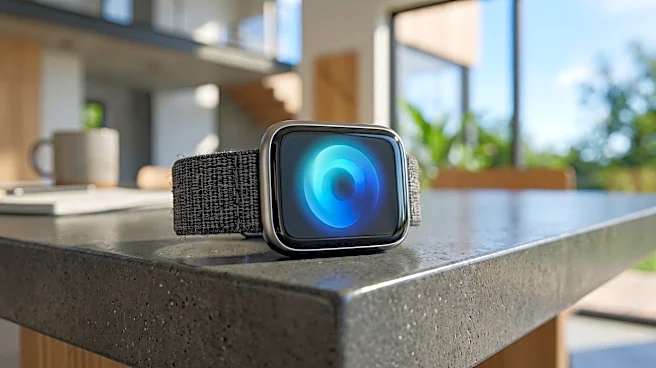
Sleep tracking devices, such as the Oura Ring 4 and Garmin watches, utilize multi-sensor physiological monitoring to collect data on movement, skin temperature, and heart rate, providing users with insights into their sleep patterns and often assigning
a 'sleep score.' However, sleep experts like Dr. Neil Stanley and Dr. Alanna Hare are cautioning that the gamification of sleep through these scores can lead to increased anxiety and disordered sleeping, a phenomenon sometimes referred to as 'orthosomnia.' Dr. Hare notes that the concept of a 'sleep score' is entirely manufactured by device makers and lacks recognition in sleep science. A study from the University of Oxford demonstrated that even randomized, inaccurate sleep scores could negatively impact participants' mood, fatigue levels, and alertness the following day. This suggests that the perception of poor sleep, influenced by a device's score, can be as detrimental as actual poor sleep. Some users, like Jess Hill, have reported becoming overly reliant on these scores, leading to a cycle of worry that ultimately worsened their sleep experience. A proposed lawsuit against Oura in San Francisco alleges that its rings inaccurately measure sleep quality and stages, relying on AI-generated estimates with questionable accuracy.
Why It's Important?
The growing concern over sleep tracking devices highlights a significant issue within the rapidly expanding digital health and wellness industry, projected to reach $14.35 billion by 2034. While these devices aim to promote better health, their current implementation may be inadvertently contributing to mental health challenges, specifically anxiety and orthosomnia, among users. This trend impacts not only individual well-being but also raises questions about the ethical responsibilities of technology companies in the health sector. The reliance on proprietary 'sleep scores' that lack scientific validation can mislead consumers and potentially deter them from seeking appropriate medical advice for genuine sleep disorders. Furthermore, the Oxford study's findings underscore how perceived data, even if inaccurate, can influence physiological and psychological states, demonstrating the powerful placebo or nocebo effect of health technology. This situation calls for greater transparency from manufacturers regarding the scientific basis of their metrics and for healthcare providers to be aware of 'data-induced sleeplessness' when consulting with patients who use these devices.
What's Next?
In response to growing concerns, there may be increased scrutiny from regulatory bodies and consumer advocacy groups regarding the scientific claims and psychological impacts of sleep tracking devices. Manufacturers like Oura, who currently stand by their science and accuracy claims, might face pressure to provide more transparent and scientifically validated metrics, or to re-evaluate the utility and presentation of 'sleep scores.' The legal challenge against Oura could set a precedent for how accuracy and claims are handled in the wearable tech industry. Healthcare professionals are likely to continue observing and potentially formally recognizing conditions like orthosomnia, integrating discussions about sleep tracker data into patient consultations. Consumers, in turn, may become more discerning about the devices they use, prioritizing those that offer actionable insights based on established sleep science rather than gamified scores. The development of alternative sleep tracking methods, such as sleep tracking earbuds that offer more nuanced data collection through in-ear monitoring, could also gain traction as the market seeks more accurate and less anxiety-inducing solutions.
Beyond the Headlines
The debate surrounding sleep trackers delves into deeper implications concerning the quantification of human experience and the potential for technology to pathologize normal biological processes. By assigning a numerical 'score' to sleep, these devices transform a natural, often subconscious, activity into a performance metric, fostering a culture of 'sleepmaxxing' where individuals strive for an unattainable ideal. This commodification of sleep can erode intuitive self-awareness, replacing it with an external, often flawed, data-driven assessment. The psychological impact of 'data-induced sleeplessness' highlights a broader societal challenge: how to integrate technology into personal health management without inadvertently creating new forms of anxiety or dependency. It also raises ethical questions about data privacy and the potential for misinterpretation of complex biological data by both users and algorithms. Ultimately, this trend underscores the need for a balanced approach to health technology, one that emphasizes holistic well-being and critical engagement with data, rather than blind adherence to numerical outputs.