






What's Happening?
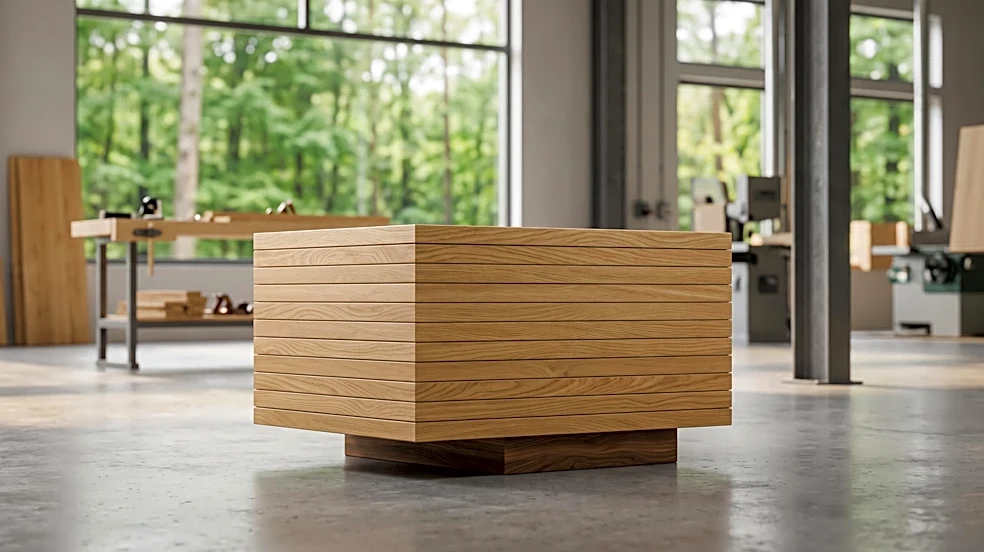
Roseburg Forest Products is identified as a significant entity in the formaldehyde-free wood-based panel market. This market, valued at $8.2 billion in 2025, is projected to grow to $15.4 billion by 2034, driven by increasing regulatory pressures on formaldehyde emissions
and a rising consumer preference for healthier indoor environments. The company is noted for its extensive product lines and strategic acquisitions aimed at consolidating its market position. Other major players in this sector include Norbord Inc., Weyerhaeuser, and Louisiana-Pacific. The U.S. market for these panels is experiencing robust growth due to stringent federal and state regulations, such as California Air Resources Board (CARB) standards, which mandate low or zero formaldehyde emissions in building materials. The demand is further boosted by green building certifications like LEED and WELL, and the automotive sector's shift towards non-toxic interior components. Roseburg Forest Products is also listed among top companies in the broader MDF and chipboard market, which is expected to reach $105 billion by 2030 globally, with the U.S. projected to be the largest single-country market at $28 billion by 2030.
Why It's Important?
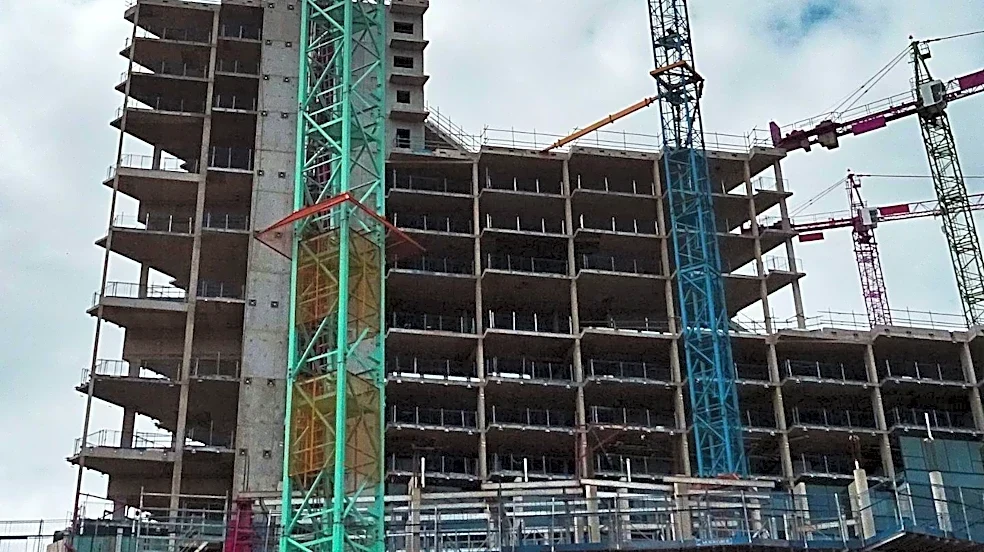
The prominence of Roseburg Forest Products in the formaldehyde-free wood-based panel market highlights a significant shift in the U.S. construction and manufacturing industries towards more sustainable and health-conscious materials. This trend is crucial for public health, as formaldehyde is a known indoor air pollutant. The growth of this market segment indicates a broader industry response to consumer demand for eco-friendly products and stricter environmental regulations. Companies like Roseburg Forest Products that invest in these technologies are better positioned to meet evolving market demands and regulatory compliance, potentially gaining a competitive edge. The expansion of this market also supports innovation in bio-based adhesives and sustainable raw materials, fostering a more environmentally responsible supply chain within the timber and construction sectors. For consumers, it means access to safer building materials, contributing to improved indoor air quality in homes and workplaces.
What's Next?
The formaldehyde-free wood-based panel market is expected to continue its growth trajectory, with strategic capital deployment into bio-based adhesive research and development, sustainable raw material sourcing, and digital manufacturing being critical for maintaining competitive advantage. Mergers and acquisitions are anticipated to intensify as larger players seek to acquire niche innovators to accelerate innovation cycles and expand geographic reach. Companies like Roseburg Forest Products will likely continue to focus on product innovation and capacity expansion to meet the increasing demand. The U.S. government's investments in sustainable manufacturing and tax incentives for green building projects are expected to create a favorable environment for market expansion, particularly in urban centers with aggressive sustainability targets. The industry will also need to address challenges such as high raw material costs and potential supply chain disruptions through strategic sourcing and technological advancements.
Beyond the Headlines
The rise of formaldehyde-free wood-based panels, with companies like Roseburg Forest Products at the forefront, signifies a deeper societal shift towards prioritizing health and environmental sustainability in material science and manufacturing. This movement extends beyond mere compliance with regulations, reflecting a growing ethical imperative within the industry to produce safer products. The long-term implications include a potential redefinition of 'standard' building materials, where low-emission and bio-based alternatives become the norm rather than the exception. This could also spur further research into other non-toxic and sustainable materials across various industries, fostering a broader green economy. The emphasis on sustainable forestry practices and the integration of recycled materials also points to a more circular economy model, reducing waste and conserving natural resources, which has profound long-term ecological benefits.