



What's Happening?
The television series 'Tiny House Nation' has significantly impacted public perception of homeownership, interior design, and minimalist living. The show features functional and aesthetically pleasing homes under 500 square feet, which has contributed
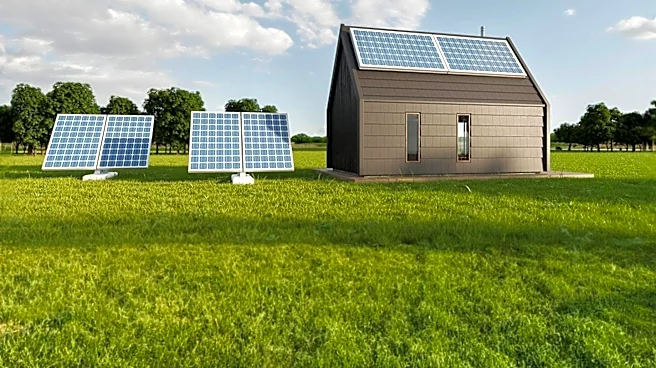
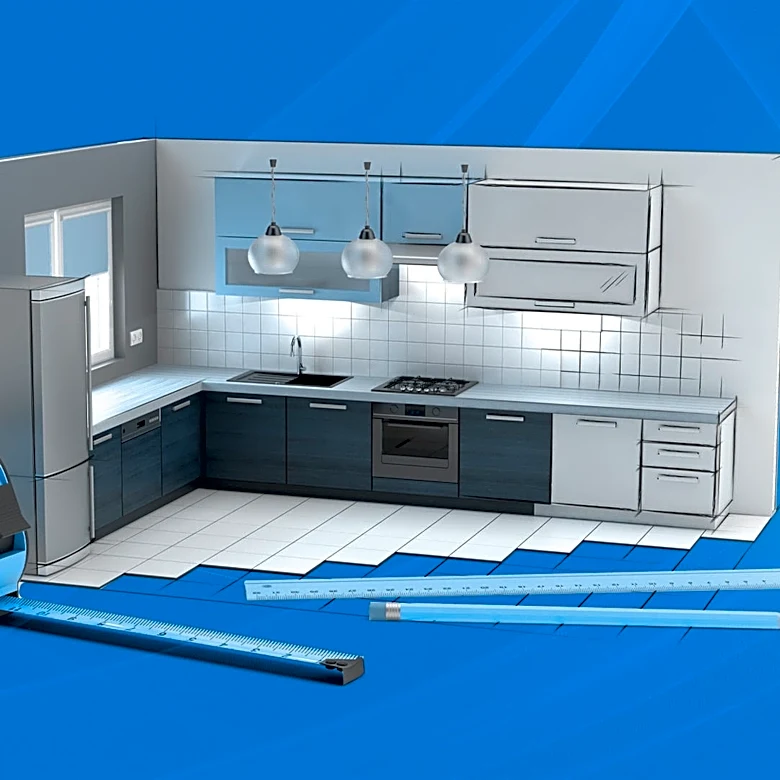
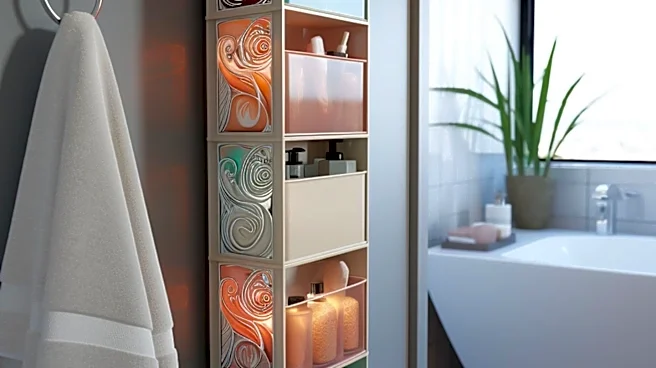
to a cultural movement towards smaller living spaces. Key figures in the show, such as host John Weisbarth and renovation expert Zack Giffin, demonstrate how spatial challenges can be overcome through innovative design, including fold-away furniture, lofted sleeping areas, and hidden compartments. The series also highlights the collaborative efforts of local contractors and specialists in areas like custom metal fabrication and solar power installation, emphasizing the multidisciplinary approach required for successful tiny home construction. The show explores both the financial benefits, such as lower mortgage costs, and the challenges, including high upfront custom build costs and zoning restrictions, associated with tiny living.
Why It's Important?
The influence of 'Tiny House Nation' is important because it has popularized the concept of minimalist living and challenged traditional notions of homeownership in the U.S. By showcasing the practicality and benefits of living in smaller spaces, the show encourages viewers to consider financial freedom, reduced environmental impact, and a more intentional lifestyle. This shift in perspective can lead to changes in housing demands, potentially increasing interest in accessory dwelling units (ADUs) and smaller, more sustainable housing options. The emphasis on multi-functionality and efficient design in tiny homes could also inspire broader trends in interior design and urban planning, promoting more efficient use of space in residential and commercial developments. The show's exploration of zoning laws and building codes also brings attention to regulatory hurdles that could impact the growth of the tiny home movement and influence future policy discussions.
What's Next?
The continued popularity of shows like 'Tiny House Nation' suggests a growing interest in minimalist living and alternative housing solutions. This trend may lead to increased demand for professional tiny home architects and builders, as more individuals seek to downsize or embrace a more intentional lifestyle. Municipalities might face pressure to adapt zoning laws and building codes to accommodate tiny homes and ADUs, potentially leading to more flexible housing regulations in urban and suburban areas. Furthermore, the focus on sustainable living and reduced environmental impact could drive innovation in eco-friendly building materials and energy-efficient home designs. Aspiring tiny home owners will likely continue to seek educational resources and professional expertise to navigate the complexities of construction and legal requirements, fostering a specialized market for tiny home-related services and products.
Beyond the Headlines
The 'Tiny House Nation' phenomenon extends beyond mere home design, touching upon deeper societal values and economic shifts. The movement towards minimalism, as championed by the show, reflects a broader cultural re-evaluation of consumerism and material possessions, encouraging a focus on experiences over accumulation. This philosophical shift could have long-term implications for various industries, from retail to manufacturing, as consumers prioritize durability, functionality, and sustainability. Ethically, the tiny home movement raises questions about equitable access to housing and the potential for smaller, more affordable homes to address housing crises. Legally, the varying and often restrictive zoning laws highlight the need for updated regulations that support diverse housing options, potentially leading to legal reforms that could reshape urban landscapes and property rights. The show also subtly promotes a DIY culture, empowering individuals to take control of their living situations and fostering a sense of community among tiny home enthusiasts.