




What's Happening?
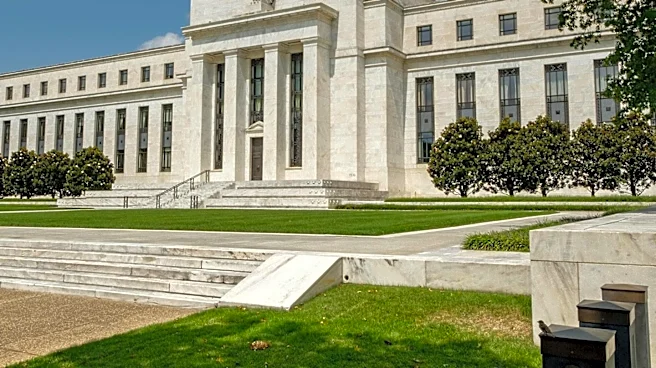
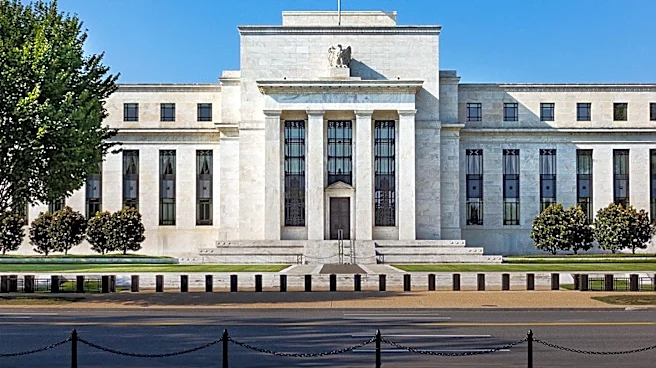
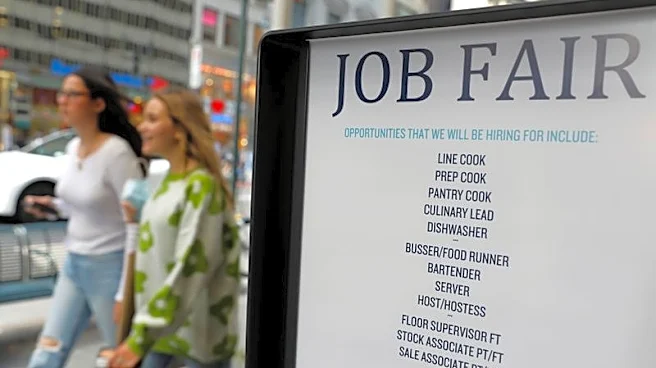
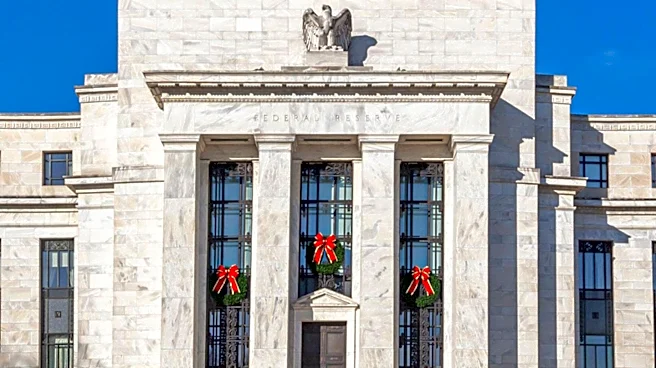
The Federal Reserve is grappling with a dual mandate challenge as recent data indicates a slowdown in the U.S. labor market. In June, the economy added only 57,000 jobs, significantly below the expected 114,000. This slowdown has contributed to a 2% rally
in gold prices, pushing them above $4,100 an ounce, as investors anticipate that the Federal Reserve may delay interest rate hikes. The unemployment rate fell to 4.2%, but this was attributed to a decline in the labor force participation rate. Analysts suggest that the weaker employment data, coupled with easing inflation risks, could support gold prices in the near term.
Why It's Important?
The labor market's performance is crucial for the Federal Reserve's monetary policy decisions. A weaker job market may lead the Fed to maintain lower interest rates for longer, which can influence various economic sectors. For investors, this scenario presents an opportunity in the gold market, as lower interest rates typically boost the appeal of non-yielding assets like gold. Additionally, the labor market's health is a key indicator of economic stability, affecting consumer confidence and spending. The current situation underscores the fragility of the economic recovery and highlights the challenges the Fed faces in balancing inflation control with employment growth.
What's Next?
Looking ahead, the Federal Reserve's upcoming decisions will be closely watched, particularly in light of the recent employment data. Analysts predict that if the Fed signals a delay in rate hikes, it could further support gold prices. Additionally, geopolitical developments and oil price fluctuations will continue to influence market dynamics. Economic data releases, such as the ISM Services PMI and the minutes from the June FOMC meeting, will provide further insights into the Fed's policy direction. Investors will also monitor the U.S. dollar's performance, as its strength poses a short-term threat to gold's recovery.