




What's Happening?
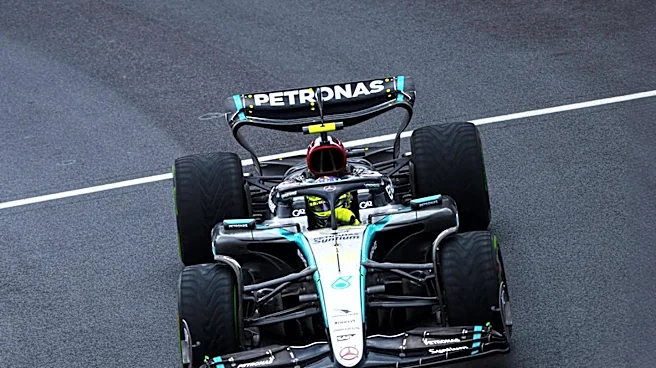
Stefano Domenicali, CEO of Formula 1, has defended the ongoing revisions to the sport's engine regulations, particularly the decision to drop the current formula after just four seasons. Speaking at the Axios and The Race's Beyond the Race: Investments
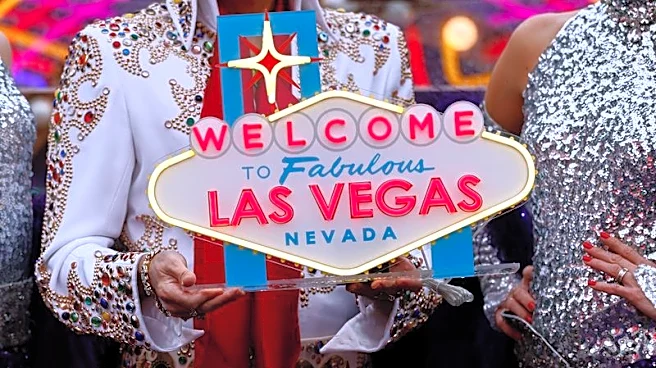
in Innovation and Leadership event in Las Vegas, Domenicali emphasized that constant evolution is crucial for F1 to remain attractive and relevant. He stated that the initial 2026 overhaul was necessary to ensure car availability and that the current changes are driven by a need to align with technological advancements and industry trends, such as the shift towards hybrid technology. This defense comes amidst recent comments from Greg Maffei, suggesting a potential sale of F1, which Domenicali did not contradict, instead arguing that a sport unwilling to change would be a turn-off to potential buyers. He also acknowledged the challenges in 'Americanizing' F1 and expanding its U.S. market presence beyond its traditional niche fanbase.
Why It's Important?
The continuous revision of Formula 1's engine regulations carries significant implications for the automotive industry and global motorsport. The decision to abandon a formula after a short period, despite substantial investment from manufacturers like Audi and GM, highlights the immense financial and engineering challenges involved in F1. This rapid change could deter future manufacturers from entering the sport due to the high costs and uncertainty, potentially impacting technological innovation within the racing sector. For the U.S. market, Domenicali's comments underscore the ongoing struggle to broaden F1's appeal beyond its core audience, despite efforts like the Las Vegas Grand Prix. The sport's ability to attract new fans and maintain relevance in a competitive entertainment landscape, especially in a market dominated by established sports, is crucial for its long-term commercial viability and potential valuation in the event of a sale.
What's Next?
The F1 leadership will likely continue to navigate the balance between technological innovation and financial stability as they implement the new engine formula. The sport's efforts to expand its U.S. footprint will involve further strategic initiatives aimed at engaging a broader audience, potentially through educational programs and increased media presence. The ongoing discussions about a potential sale of F1, hinted at by Greg Maffei, will remain a significant point of interest. Any sale would likely hinge on the sport's perceived attractiveness and growth potential, which are directly tied to its ability to adapt and remain relevant. Stakeholders, including current and prospective team owners, manufacturers, and broadcasters, will closely monitor these developments, as they could significantly impact their investments and involvement in Formula 1.
Beyond the Headlines
The narrative surrounding F1's engine formula changes and potential sale reflects a broader tension between tradition and modernization in global sports. The sport's pivot towards hybrid technology, while aiming for relevance, also highlights the environmental pressures and technological shifts impacting industries worldwide. The challenge of 'Americanizing' F1, as noted by Domenicali, points to the cultural complexities of expanding a global sport into diverse markets. The reliance on initiatives like 'Drive to Survive' to attract new fans, particularly during the pandemic, underscores the growing influence of media and digital content in shaping sports consumption. This evolution raises questions about the authenticity of fan engagement and the long-term sustainability of growth driven by entertainment rather than pure sporting appeal, potentially leading to a less loyal fanbase as the sport seeks to broaden its commercial reach.