




What's Happening?
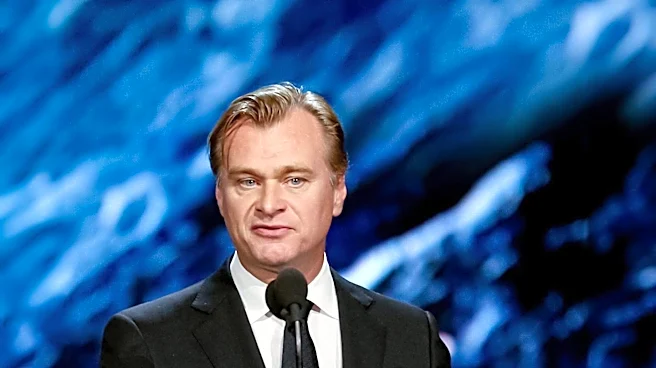
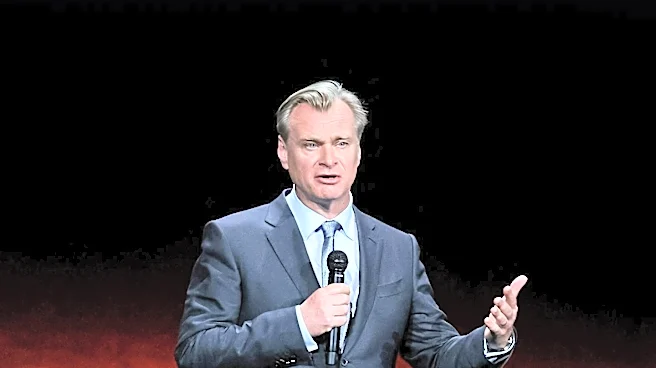
Christopher Nolan, the acclaimed director known for films like 'Oppenheimer' and 'The Dark Knight', has voiced his concerns about the role of artificial intelligence (AI) in the film industry. In a recent interview, Nolan described the public's general
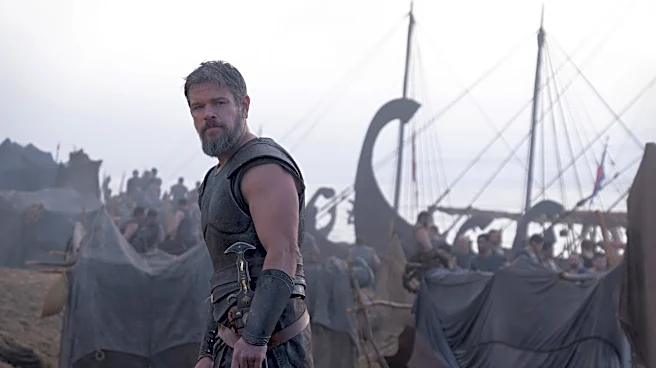
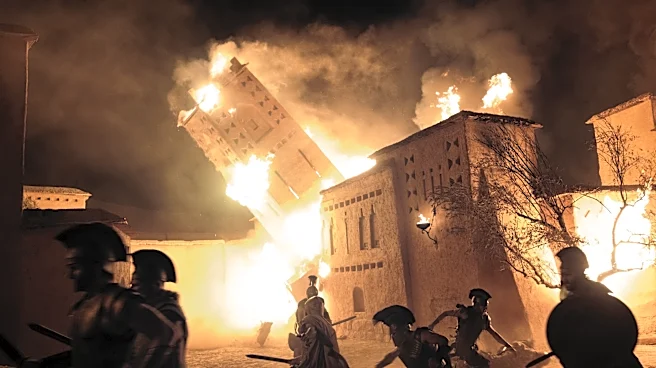
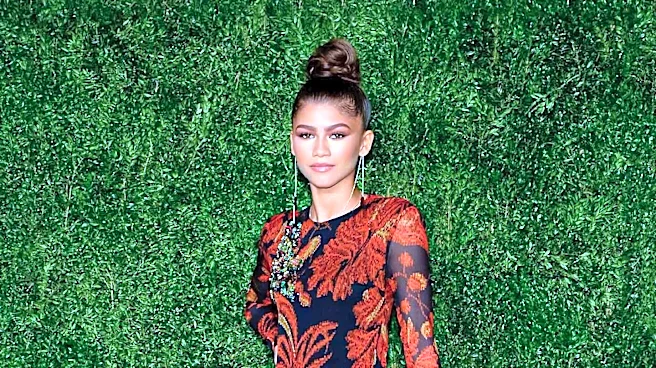
disdain for AI and dismissed the idea that it could replace human creativity as 'nonsense'. He emphasized the importance of responsibility and accountability among employers when using AI. Nolan's comments come as he promotes his latest film, 'The Odyssey', an adaptation of the Greek epic, which is set to release soon. The film, shot entirely on IMAX film, features a star-studded cast including Matt Damon and Zendaya. Nolan's remarks also touch on the broader industry fears that AI could replace actors, writers, and camera operators, a concern that contributed to a major Hollywood strike in 2023.
Why It's Important?
Nolan's critique of AI highlights a significant debate within the creative industries about the future of human creativity versus technological advancement. His comments underscore a growing concern that AI could undermine traditional roles in filmmaking, potentially leading to job losses and a shift in how films are produced. This debate is particularly relevant as AI continues to be integrated into various business applications, despite resistance from creative sectors. Nolan's emphasis on employer responsibility suggests a need for ethical guidelines and regulations to ensure that AI is used to complement rather than replace human creativity. The outcome of this debate could have lasting implications for the film industry, affecting how movies are made and who makes them.
What's Next?
As 'The Odyssey' hits theaters, the film's reception may influence ongoing discussions about AI in filmmaking. Industry stakeholders, including directors, producers, and actors, may continue to advocate for responsible AI use, potentially leading to new industry standards or regulations. The conversation around AI's role in creative industries is likely to persist, with further developments expected as technology evolves. Additionally, the film's success or failure could impact future projects that rely heavily on traditional filmmaking techniques versus AI-driven methods.
Beyond the Headlines
Nolan's stance on AI also raises broader ethical questions about the balance between innovation and tradition in the arts. The potential for AI to generate content raises concerns about authenticity and the value of human input in creative processes. This debate may extend beyond film to other art forms, prompting a reevaluation of what constitutes creativity and originality in an increasingly digital world. As AI technology advances, society may need to address these philosophical questions to preserve the integrity of human creativity.