
What's Happening?
Seneca Foods, a prominent North American provider of packaged fruits and vegetables, is actively recruiting an Agricultural Equipment Mechanic for its Ripon, Wisconsin facility. The company emphasizes
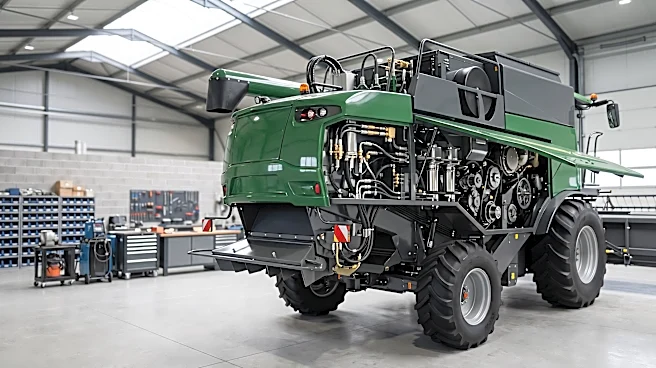
its commitment to sourcing high-quality products from over 2,000 American farms and highlights its significant market share in retail private label, food service, and export canned vegetable markets, distributing to over 90 countries. The Agricultural Equipment Mechanic role involves operating, maintaining, and repairing various agricultural equipment, troubleshooting breakdowns, and performing necessary repairs and maintenance, including modifications and upgrades to mechanical, electrical, and hydraulic systems for diesel fuel equipment. During the off-season, the mechanic will overhaul and rebuild equipment, and during harvest season, they will monitor product flow to ensure uninterrupted operations and relieve harvester operators when needed. Seneca Foods offers an extensive benefits package, including medical, dental, vision, life insurance, 401K, and paid time off, with a starting wage range of $27.00 to $38.50 per hour based on skills and experience. The company also provides in-house training on shop equipment such as mill and lathe, welding, hydraulics, and AC systems.
Why It's Important?
This hiring initiative by Seneca Foods is significant for the local economy in Ripon, WI, and the broader agricultural sector. The demand for skilled agricultural mechanics underscores the ongoing need for specialized labor to maintain the efficiency and productivity of large-scale food production. As one of the leading providers of packaged fruits and vegetables, Seneca Foods' operational stability directly impacts the supply chain for numerous food products sold under various brands like Libby’s®, Aunt Nellie’s®, and Seneca labels. The comprehensive benefits package and competitive wages offered by Seneca Foods could attract skilled workers, helping to address potential labor shortages in the agricultural machinery maintenance field. Furthermore, the company's investment in in-house training programs suggests a commitment to developing its workforce and ensuring a pipeline of qualified technicians, which is crucial for sustaining agricultural output and supporting the livelihoods of American farmers who supply the company.
What's Next?
Seneca Foods will continue its recruitment efforts to fill the Agricultural Equipment Mechanic position in Ripon, WI. Successful candidates will undergo training and integrate into the company's operations, contributing to the maintenance and repair of essential agricultural equipment. The company's focus on preventative maintenance during the off-season and active monitoring during harvest indicates a continuous cycle of operational readiness. This ongoing need for skilled mechanics suggests that similar positions may arise in other Seneca Foods facilities across the United States, reflecting a broader industry trend of investing in equipment maintenance to ensure consistent food production. The provision of in-house training also implies a long-term commitment to employee development and retention within the company.
Beyond the Headlines
The recruitment drive by Seneca Foods highlights a critical, yet often overlooked, aspect of the U.S. food supply chain: the reliance on skilled trades for agricultural machinery maintenance. The increasing complexity of modern farming equipment necessitates specialized knowledge and continuous training, which companies like Seneca Foods are addressing through in-house programs. This trend points to a broader need for vocational training and technical education in rural areas to support the agricultural industry. The stability of companies like Seneca Foods, which source from over 2,000 American farms, is vital for the economic health of agricultural communities. The emphasis on competitive wages and comprehensive benefits also reflects a growing recognition of the value of skilled labor in sectors traditionally associated with manual work, potentially setting a precedent for other agricultural businesses in attracting and retaining talent.