





What's Happening?
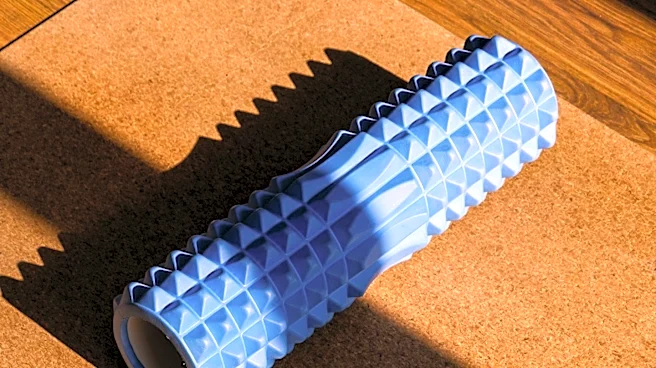
Foam rollers, cylindrical tools made of synthetic foam, are widely used for muscle recovery, stretching, and deep tissue massage. These tools help to break up tight tissues, reduce inflammation, and alleviate muscle tension. Physiotherapists and trainers
frequently recommend foam rollers for improving mobility, enhancing stretching effectiveness, and aiding muscle recovery, particularly after intense workouts or sporting events. The choice of a foam roller depends on individual sensitivity; softer, smoother rollers are suitable for beginners or those with tight muscles, while harder, textured rollers are designed for more experienced users seeking a deeper massage. Proper usage involves rolling slowly along the target muscle, applying pressure with body weight, and avoiding direct pressure on bones, joints, or recently injured areas. Foam rolling can temporarily improve joint range of motion without reducing strength or power, and it can also reduce the perception of delayed onset muscle soreness (DOMS).
Why It's Important?
The widespread adoption of foam rollers by fitness professionals and individuals underscores a growing emphasis on self-care and injury prevention within the U.S. fitness and wellness industries. This trend highlights a shift towards accessible, at-home recovery methods that complement traditional physical therapy and training regimens. For athletes and active individuals, foam rolling offers a cost-effective way to manage muscle soreness and improve flexibility, potentially extending their participation in sports and exercise. The availability of various foam roller types caters to a broad consumer base, from novices to seasoned athletes, making muscle recovery tools more inclusive. This emphasis on proactive recovery can lead to fewer injuries, improved athletic performance, and a higher quality of life for many Americans, reducing the burden on healthcare systems for preventable muscle-related issues.
What's Next?
The continued integration of foam rolling into daily fitness routines is expected, with potential advancements in foam roller design and accompanying digital guidance. As awareness of its benefits grows, more fitness programs and physical therapy clinics may incorporate foam rolling as a standard practice. Educational resources, such as online tutorials and workshops, will likely expand to teach proper techniques and address common misconceptions, ensuring users maximize benefits and avoid injury. Manufacturers may also innovate with smart foam rollers that provide feedback on pressure and technique, further personalizing the recovery experience. The market for recovery tools is likely to see continued growth, driven by consumer demand for effective and convenient self-treatment options.
Beyond the Headlines
Beyond its immediate physical benefits, the practice of foam rolling reflects a broader cultural shift towards holistic well-being and self-efficacy in health management. It empowers individuals to take an active role in their physical recovery and maintenance, fostering a deeper understanding of their bodies. This self-directed approach to muscle care can cultivate greater body awareness and discipline, which are valuable assets in preventing chronic pain and promoting long-term physical health. The accessibility and relative affordability of foam rollers democratize access to recovery techniques that were once primarily available through professional massage or physical therapy, making advanced self-care more attainable for the general public. This trend aligns with a growing societal value placed on preventive health measures and personal responsibility for wellness.