



What's Happening?
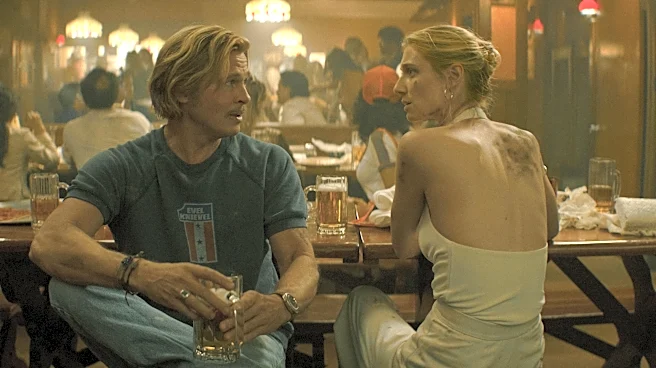
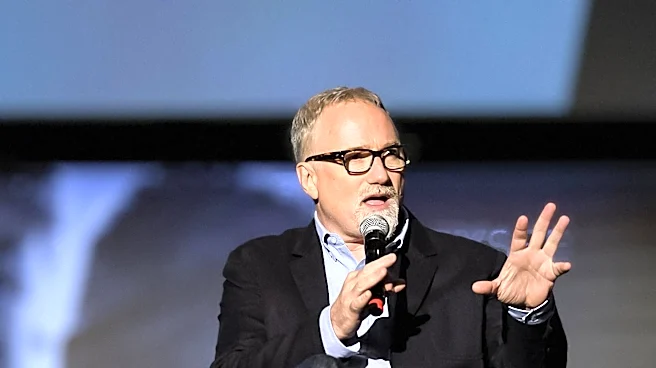
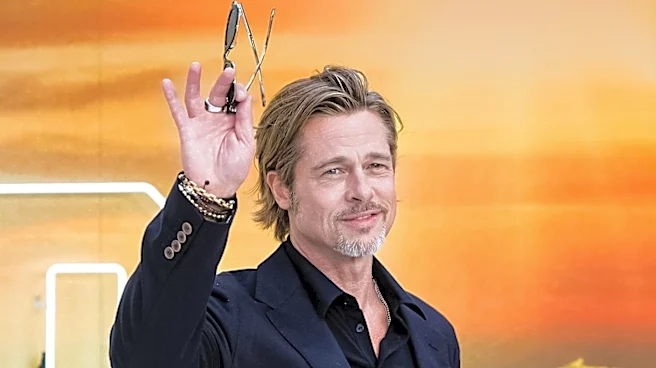
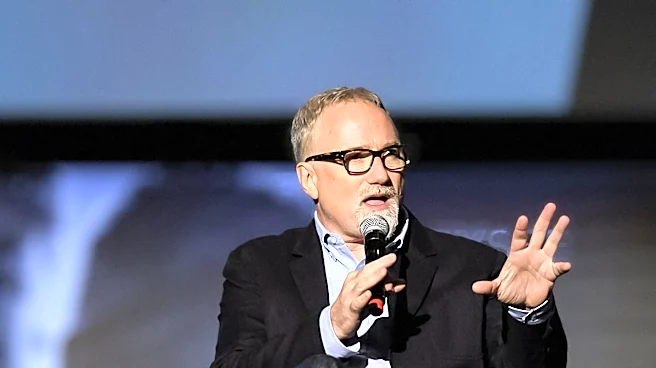
David Fincher's new film, 'The Further Mis-Adventures of Cliff Booth,' starring Brad Pitt, has generated controversy following early screenings, with many viewers suspecting the use of generative AI in its visuals. Critics and moviegoers have taken to
social media to express concerns about 'uncanny' and 'inconsistent' visuals, describing them as 'blatant and egregious AI use.' YouTuber and director Patrick Tomasso claimed to have walked out of a screening feeling 'gutted' by the perceived AI-generated footage. While Netflix, heavily involved in the film's production and a recent investor in AI technology through its acquisition of InterPositive, has not confirmed or denied AI use, Fincher's recent comments to the Los Angeles Times about not fearing AI and embracing technological iteration have fueled speculation. Some critics, however, suggest that the perceived issues might simply be poor CGI rather than AI.
Why It's Important?
The controversy surrounding 'Cliff Booth' highlights a growing tension within the film industry regarding the use of artificial intelligence in creative processes. If confirmed, the use of AI in a high-profile film by a renowned director like David Fincher could set a precedent, potentially normalizing AI integration in filmmaking but also raising significant ethical and artistic questions. This situation impacts audience perception, as many viewers express strong negative reactions to what they perceive as AI-generated content, fearing a decline in artistic integrity and human craftsmanship. For Netflix, a company that has invested heavily in AI for film production, this scrutiny could influence future strategies and public relations regarding its technological advancements. The debate also underscores the ongoing discussion about the definition of 'art' in an era of rapidly evolving generative technologies.
What's Next?
As 'The Further Mis-Adventures of Cliff Booth' approaches its premiere on November 25th, the debate over its visual effects and suspected AI use is likely to intensify. Netflix and David Fincher may face increased pressure to address the allegations directly, either confirming or denying the use of generative AI. The film's critical reception and box office performance could be significantly impacted by public perception regarding AI integration. This situation may also prompt broader discussions within Hollywood about industry standards, transparency, and ethical guidelines for AI in filmmaking. Other studios and directors will likely observe the fallout closely, potentially influencing their own decisions regarding AI adoption in future productions.
Beyond the Headlines
The 'Cliff Booth' controversy touches upon deeper implications concerning the future of creative industries and the role of human artistry. The suspicion of AI use, even if unfounded, reflects a broader anxiety among artists and audiences about job displacement and the potential for AI to devalue human creative input. This incident could serve as a flashpoint for discussions about intellectual property rights in the age of AI, the authenticity of visual media, and the evolving definition of authorship in collaborative artistic endeavors. The debate also highlights the challenge of distinguishing between advanced CGI and AI-generated content, suggesting a need for greater transparency from studios about their production methods. Ultimately, this situation could accelerate the industry's need to establish clear ethical frameworks and best practices for AI integration, ensuring that technological advancements serve, rather than diminish, artistic expression.