

What's Happening?
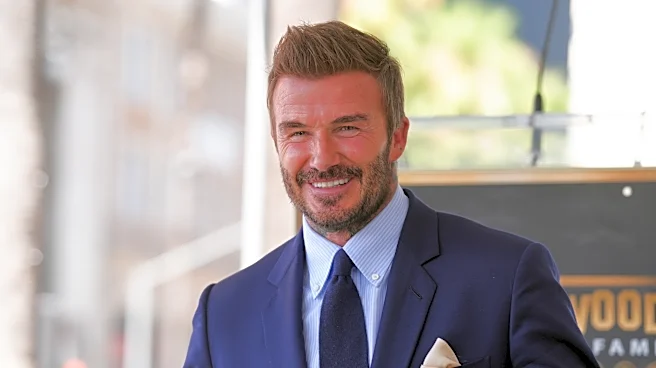
DB Ventures, David Beckham's commercial company, has filed a lawsuit in the New York Supreme Court against German beauty group Coty, seeking at least US$41 million in damages. The dispute centers on allegations that Beckham's 'luxury' fragrances were
found for sale in discount stores and gas station bargain bins, which DB Ventures claims breaches their licensing agreement. The lawsuit argues that such sales devalue Beckham's 'world-renowned global brand,' which is synonymous with 'excellence and refinement' and 'everyday luxury.' The legal document expresses 'shock and dismay' at finding David Beckham products in a gas station bargain bin and at British budget retailer Poundland, asserting that this associates the brand with 'cheap, discount products.' Coty, which manufactures and distributes Beckham-branded fragrances like Classic, Instinct, Intimately, and Exquisite Leather, has requested the lawsuit be dismissed, citing a lack of jurisdiction in New York courts. Coty also suggests that DB Ventures is using the claim to prematurely exit their licensing deal and transfer contracts to another firm, Interparfums.
Why It's Important?
This lawsuit highlights the critical importance of brand image and control in the celebrity endorsement and luxury goods markets. For high-profile figures like David Beckham, whose brand is built on an image of sophistication and exclusivity, the unauthorized sale of products in discount outlets can significantly dilute brand value and consumer perception. This case could set a precedent for how licensing agreements are enforced, particularly regarding distribution channels and brand integrity. It underscores the financial risks involved for both licensors and licensees when product placement deviates from agreed-upon brand positioning. A victory for DB Ventures could reinforce the need for stricter oversight in product distribution for celebrity-backed brands, while a dismissal could empower manufacturers with more flexibility in how they liquidate inventory, potentially at the expense of brand prestige. The outcome will be closely watched by the broader beauty and celebrity branding industries, influencing future contract negotiations and brand management strategies.
What's Next?
Coty has formally requested that the New York Supreme Court dismiss the lawsuit, arguing that New York courts lack jurisdiction over the case. The court will first need to rule on this jurisdictional challenge, which could significantly impact the progression of the legal proceedings. If the court denies Coty's motion to dismiss, the case will likely move forward into discovery, where both parties will exchange evidence and information. This could involve detailed examinations of sales records, distribution agreements, and internal communications to ascertain the extent of the alleged breach and its impact on the David Beckham brand. The legal battle could be protracted, potentially leading to a settlement out of court or a full trial. The resolution of this case will determine the financial liabilities for Coty and could influence DB Ventures' future licensing strategies, including potential partnerships with other fragrance distributors like Interparfums, as suggested by Coty.
Beyond the Headlines
The core of this dispute extends beyond a simple breach of contract; it delves into the intangible value of celebrity branding and the perceived erosion of luxury status. In an era where celebrity endorsements are ubiquitous, maintaining an exclusive brand image is paramount. The alleged sale of David Beckham's fragrances in gas stations and discount stores challenges the carefully curated perception of 'everyday luxury' that DB Ventures aims to project. This incident raises questions about the due diligence performed by licensees in managing distribution channels and the potential for grey market activities to undermine brand integrity. Ethically, it highlights the tension between maximizing product reach and preserving brand exclusivity. Legally, it could influence how courts interpret clauses related to brand reputation and distribution control in licensing agreements. The outcome may prompt a re-evaluation of contractual safeguards in the celebrity endorsement industry, emphasizing the need for explicit terms regarding sales channels and brand positioning to prevent similar disputes.