



What's Happening?
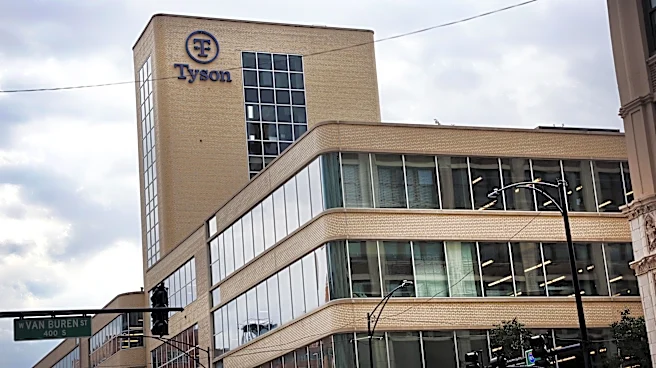
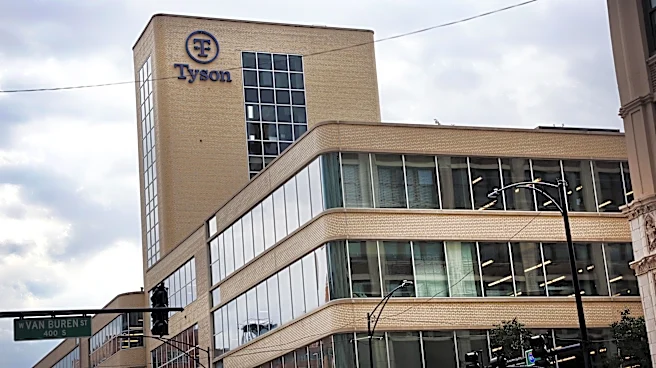
Commissioner Miller has lauded Tyson Foods' announcement to restore the second shift at its Amarillo facility, calling it a significant step for the Texas beef industry and the broader U.S. cattle sector. According to Commissioner Miller, this expansion
will create more jobs in Texas, increase American beef processing capacity, and strengthen the future for ranching families. He emphasized that the U.S. does not need more foreign beef but rather more Texas beef, advocating for the rebuilding of America's cattle herd alongside the expansion of domestic processing. Tyson's planned partnership with Allied Beef is highlighted as a welcome development towards prioritizing American producers. This move is seen as crucial for protecting American ranchers, rebuilding the national cattle herd, and ultimately helping to keep beef prices down for consumers across the country.
Why It's Important?
The expansion of domestic beef processing capacity, as exemplified by Tyson's Amarillo facility, is vital for the U.S. cattle industry. Increased processing capabilities can reduce bottlenecks in the supply chain, providing more opportunities for ranchers to bring their cattle to market. This can lead to more stable and potentially higher prices for producers, incentivizing herd rebuilding and growth. For consumers, greater domestic processing capacity can contribute to a more reliable and affordable beef supply by reducing reliance on imports and potentially mitigating price volatility. Commissioner Miller's strong stance against foreign beef imports and his focus on 'Texas beef' underscore a broader sentiment within parts of the agricultural sector to bolster national food security and support local economies. This development could also foster greater competition and efficiency within the U.S. beef processing industry.
What's Next?
The restoration of the second shift at Tyson's Amarillo facility is expected to gradually increase beef processing capacity in the region. This will likely lead to more consistent demand for cattle from local ranchers and potentially influence market dynamics in Texas and surrounding states. The partnership between Tyson and Allied Beef will be closely watched for its impact on operational efficiencies and its contribution to the overall goal of expanding domestic processing. Further, Commissioner Miller's advocacy for rebuilding the American cattle herd suggests that there may be continued efforts to support ranchers through various programs or policies aimed at increasing herd sizes and improving profitability. The success of such initiatives will be crucial in determining the long-term stability and affordability of the U.S. beef supply.
Beyond the Headlines
Commissioner Miller's remarks reflect a growing nationalistic sentiment within the agricultural sector, prioritizing domestic production over foreign imports. This perspective often intertwines economic arguments with broader themes of national security and self-reliance. The emphasis on 'Texas beef' also highlights the significant regional identities and economic contributions within the U.S. agricultural landscape. The expansion of processing facilities like Tyson's can have ripple effects beyond direct job creation, potentially stimulating growth in related industries such as transportation, feed production, and veterinary services. However, it also raises questions about the environmental impact of increased cattle production and processing, as well as the ongoing debate about the balance between large-scale corporate operations and smaller, independent producers in the agricultural ecosystem. The long-term success of these efforts will depend on sustainable practices and equitable distribution of benefits across the supply chain.