






What's Happening?
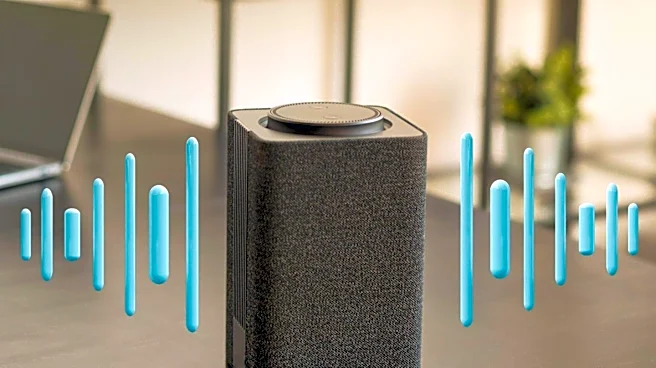
In 2026, smart home systems have advanced significantly, focusing on seamless integration with popular voice assistants like Amazon Alexa and Google Home. Products such as the SYLVANIA Wifi LED Smart Strip Light and Tapo TP-Link Smart Light Bulbs allow
users to control lighting and set routines using voice commands. The introduction of Matter, an open-source connectivity protocol, aims to standardize communication between devices from different manufacturers, enhancing interoperability and reliability. Smart home hubs supporting Matter offer greater interoperability, allowing users to choose devices based on features rather than brand compatibility. Motion sensors, like those from Ring, can be integrated with Amazon Alexa for automated routines, showcasing the depth of smart home tech integration.
Why It's Important?
The advancements in smart home technology in 2026 are significant for consumers and the industry. The integration of Matter as a standard protocol reduces fragmentation in the smart home market, allowing devices from different brands to work together seamlessly. This interoperability means consumers can focus on the features of devices rather than compatibility issues, leading to a more user-friendly experience. The ability to control home environments through voice commands and automated routines enhances convenience and energy efficiency, potentially reducing costs for homeowners. The focus on interoperability and integration also indicates a shift towards a more cohesive smart home ecosystem, which could drive further innovation and adoption in the market.