

What's Happening?
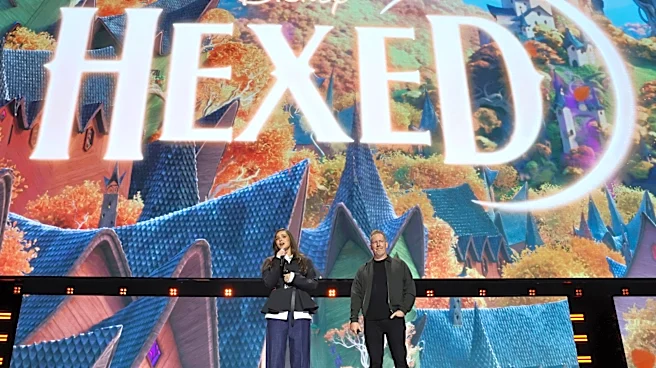
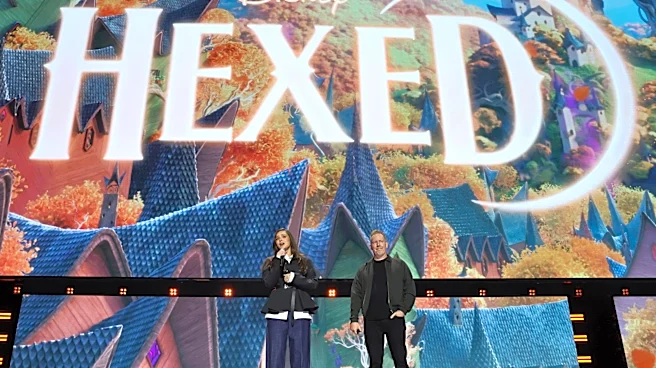
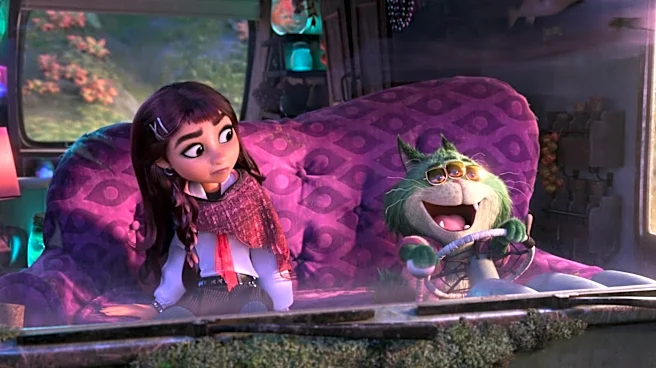
Disney's new animated film 'Hexed' delves into themes of generational trauma within a magical mother-daughter drama, featuring two heirs to a hidden witch kingdom. The movie, directed by Fawn Veerasunthorn and Jason Hand, centers on Alice (Rashida Jones),
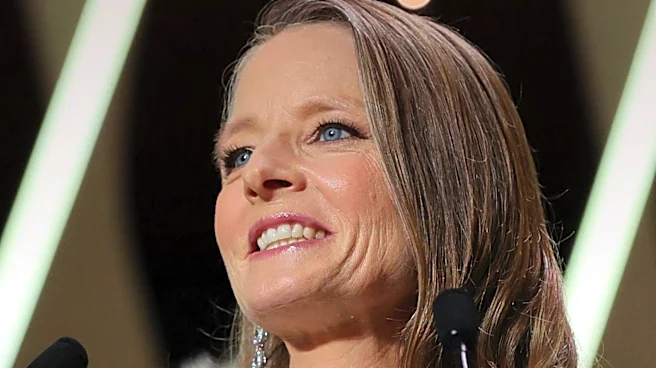
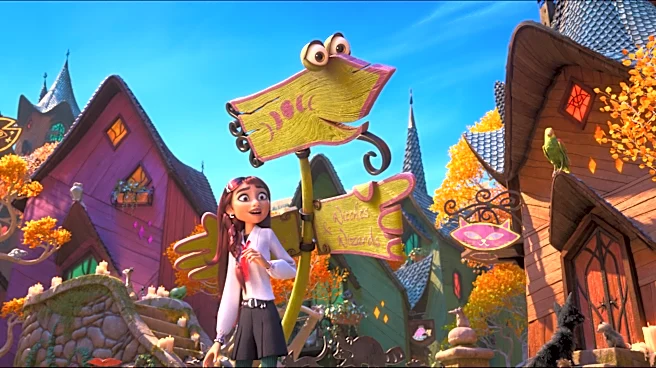
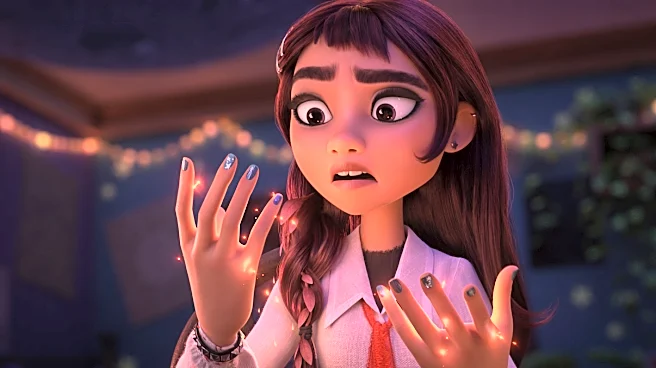
who fled the secret witch realm of Hexe to raise her daughter Billie (Hailee Steinfeld) in Ohio, suppressing Billie's powers with an amulet. Billie's rebellion leads her to Hexe, where she discovers her mother is the Princess of Witch World and her grandmother, Queen Celeste (Jodie Foster), uses Billie's unique ability to fly for political control. While the film showcases visually striking animation and imaginative world-building, particularly in its depiction of magic and the coexistence of human spellcasters and animal familiars, critics note that the narrative often gets bogged down by its complex plot. The film is praised for its visual originality but criticized for rushing through awe-inspiring moments to return to familiar gags and messages.
Why It's Important?
The release of 'Hexed' is significant for Disney as it continues to expand its canon of animated features, particularly those focusing on female protagonists and magical themes. The film's exploration of generational trauma and complex family dynamics within a fantasy setting reflects a growing trend in children's media to address more nuanced emotional and psychological themes. By introducing multiple 'Chosen Ones' and a hidden kingdom, Disney aims to create a rich, expansive universe that can resonate with a broad audience. However, the critical reception, which points to a strong visual style but a convoluted plot, highlights the challenges in balancing intricate storytelling with the need for clear, engaging narratives in animated films. The film's attempt to be 'original in name only' suggests a struggle to innovate within established Disney tropes, which could impact its long-term appeal and its ability to stand out in a competitive animation landscape. The casting of prominent actors like Rashida Jones, Hailee Steinfeld, and Jodie Foster also underscores the studio's commitment to attracting top talent for voice roles, enhancing the film's marketability.
What's Next?
The performance of 'Hexed' at the box office and on streaming platforms will likely influence Disney's future animation strategies, particularly regarding the balance between visual spectacle and narrative depth. If the film garners a strong audience, despite mixed critical reviews, it could pave the way for more animated features that tackle complex themes like generational trauma. Conversely, if it underperforms, Disney might re-evaluate its approach to storytelling in its animated projects, potentially favoring simpler, more universally appealing narratives. The film's unique visual elements and world-building could inspire spin-off content, such as television series or additional films set in the Hexe universe, if the audience engagement is high. The discussion around the film's originality and its adherence to Disney's established formulas will continue to be a point of interest for critics and fans, shaping expectations for future releases from the studio.
Beyond the Headlines
Beyond its immediate impact as an animated film, 'Hexed' contributes to the ongoing conversation about the evolution of Disney's storytelling. The film's attempt to introduce a 'new Disney princess' archetype, or in this case, two, reflects the studio's efforts to diversify its roster of characters and narratives to appeal to a contemporary audience. The themes of suppressing powers and rebelling against overbearing parental figures can be seen as metaphors for adolescent struggles with identity and independence, resonating with younger viewers. The film's visual originality, even if overshadowed by narrative issues, points to the continuous innovation in animation technology and artistic direction within the industry. The critical commentary on the film's 'overflavoring' with trauma and its reliance on familiar tropes also highlights the broader challenge for established studios to maintain creative freshness while upholding brand identity. This tension between tradition and innovation is a constant in the entertainment industry, influencing how stories are told and received.