







What's Happening?
Streetwear graphic tee designs have undergone a significant evolution, transforming from symbols of countercultural rebellion in the 1950s into highly sought-after wearable art today. This shift is rooted in the DIY ethos of early subcultures like punk,
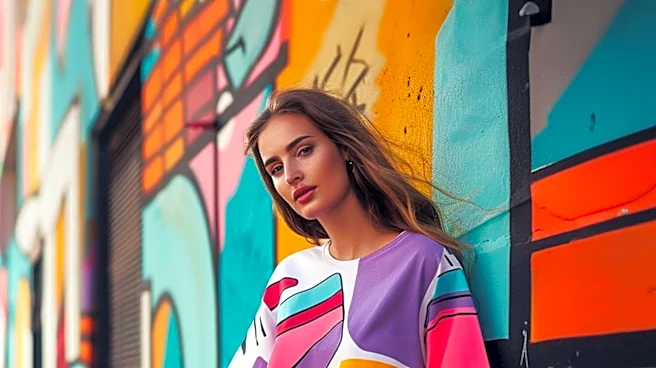
where artists such as Vivienne Westwood used screen printing to convey anti-establishment messages. In the 1980s, hip-hop artists adopted oversized graphic tees as identity markers, while skate culture embraced loose-fitting tees with bold logos and irreverent artwork, exemplified by brands like Stüssy. These early graphic tees were not merely fashion items but served as tools of self-expression and manifestos for marginalized youth. As streetwear matured, particularly in the late '90s and early 2000s, graphic tees became canvases for street art and graffiti, with artists using the human body as a mobile gallery. Modern graphic tees, influenced by hype culture and digital innovation, are now conceived as limited-edition collectibles, blending Y2K nostalgia with cyberpunk futurism, printed on premium heavyweight blanks.
Why It's Important?
The evolution of streetwear graphic tees reflects broader cultural and economic shifts, demonstrating how grassroots movements can influence mainstream fashion and commerce. The migration of graphic tees from subcultural rebellion to luxury runways, marked by collaborations between high-end brands and streetwear labels, signifies the dissolution of traditional boundaries between underground expression and elite commerce. This trend highlights the increasing value placed on authenticity, cultural relevance, and scarcity in consumer markets. For industries, it underscores the power of niche markets to drive innovation and create new revenue streams. For society, it shows how clothing can function as a form of social commentary, identity assertion, and even a historical artifact, reflecting the values and aesthetics of different eras. The emphasis on durable, high-quality materials in modern streetwear also points to a growing consumer demand for longevity and craftsmanship over fast fashion.
What's Next?
The trajectory of streetwear graphic tees suggests a continued emphasis on limited-edition drops, artist collaborations, and the integration of digital design tools. Brands will likely further explore the intersection of physical and digital fashion, potentially incorporating augmented reality or NFTs into their offerings to enhance collectibility and exclusivity. The ongoing blend of vintage aesthetics with contemporary themes indicates a cyclical nature of fashion, where past trends are reinterpreted for new audiences. Consumers can expect to see more brands focusing on sustainable practices and ethical production, as the demand for conscious consumption grows. The role of graphic tees as a form of personal expression and cultural commentary will remain central, with designs continuing to reflect current social and political landscapes, ensuring their relevance as both fashion items and social artifacts.
Beyond the Headlines
The story of graphic tees delves into the deeper psychological and sociological aspects of identity and belonging. Originally, these shirts were a means for subcultures to signal allegiance and differentiate themselves from the mainstream. This desire for self-expression and community remains a core driver of the streetwear market. The concept of 'wearable art' elevates clothing beyond mere utility, transforming it into a medium for artistic statement and personal narrative. The phenomenon of 'hype culture' and scarcity-driven drops taps into human desires for exclusivity and status, turning simple garments into valuable collectibles. Furthermore, the influence of street art and graffiti on tee designs highlights how urban environments and marginalized voices can shape global aesthetic trends, challenging traditional notions of art and design. The enduring appeal of graphic tees speaks to a fundamental human need to communicate identity and values through visual means.