






What's Happening?
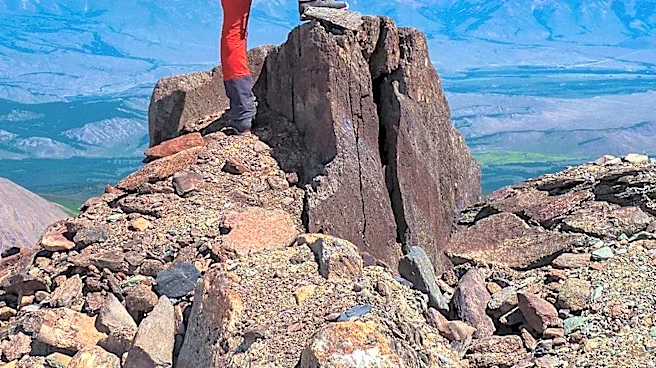
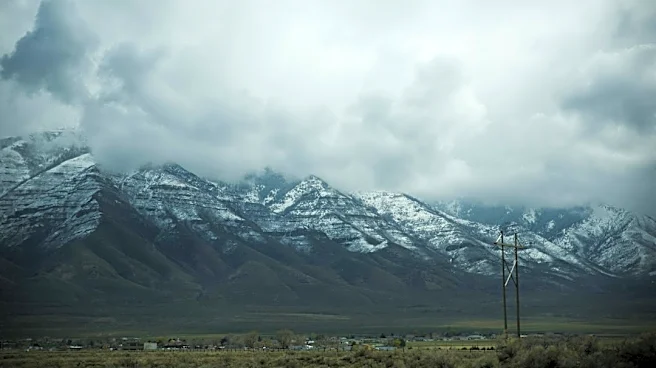
Humboldt Peak, located in the Sangre de Cristo Range, is being highlighted as an accessible '14er' (a mountain peak exceeding 14,000 feet) for climbers. It is considered one of the more approachable peaks in the range, making it a suitable objective for climbers looking
to advance to more challenging Colorado alpine routes. The guided climb of Humboldt Peak combines a scenic alpine basin with a manageable summit day, offering excellent views of nearby Crestone Needle and Crestone Peak. For those new to 14ers, Humboldt Peak is recommended, especially with the assistance of a guide who can help with pacing, weather timing, and altitude management. While fit climbers can complete it as a day trip, an overnight excursion is suggested for a more relaxed experience and for individuals traveling from lower elevations. Access to the upper South Colony Lakes Trailhead typically requires a high-clearance 4WD vehicle, with renting a jeep or truck at the airport being an option to avoid several miles of road walking. The standard route during summer conditions is not considered technical, though it remains an alpine climb with considerations for altitude, weather, navigation, and physical fitness.
Why It's Important?
The promotion of Humboldt Peak as an accessible 14er is significant for the outdoor recreation and tourism industries in Colorado. By identifying and marketing such peaks, it broadens the appeal of alpine climbing to a wider demographic, including less experienced climbers. This can lead to increased visitor numbers to the Sangre de Cristo Range, boosting local economies through spending on guided tours, equipment rentals, accommodation, and transportation. The emphasis on guided climbs also underscores the importance of safety and professional expertise in high-altitude environments, potentially fostering a more responsible approach to outdoor adventure. For individuals, successfully summiting an approachable 14er like Humboldt Peak can serve as a gateway to more advanced mountaineering, contributing to personal development and a deeper appreciation for natural landscapes. The need for 4WD vehicles for trailhead access also highlights potential infrastructure and accessibility challenges in remote areas, which could influence future land management and tourism development strategies.
What's Next?
As awareness of Humboldt Peak's accessibility grows, there may be an increase in guided climbing bookings and independent attempts. This could lead to a greater demand for local guiding services, specialized gear rentals, and accommodations in nearby towns. Land management agencies might need to monitor trail usage and environmental impact to ensure the sustainability of the area. Discussions around improving or maintaining road access for 4WD vehicles could also arise, balancing visitor convenience with environmental preservation. Furthermore, the success of Humboldt Peak as an entry-level 14er could inspire the identification and promotion of other similar peaks across Colorado, further diversifying the state's outdoor tourism offerings. Educational initiatives focusing on alpine safety, Leave No Trace principles, and altitude sickness prevention may also become more prevalent to support the influx of new climbers.
Beyond the Headlines
The increasing popularity of accessible alpine climbing destinations like Humboldt Peak reflects a broader societal trend towards experiential travel and outdoor adventure. This trend can have profound cultural and environmental implications. On one hand, it fosters a greater connection to nature and promotes physical well-being. On the other hand, increased human presence in fragile alpine ecosystems necessitates careful management to prevent degradation. The reliance on guides for safety and navigation also highlights a growing market for specialized outdoor education and professional services. Ethically, there's a balance to be struck between making natural wonders accessible and preserving their pristine character. The narrative of 'conquering' a 14er, even an approachable one, can also contribute to a sense of accomplishment and personal growth, reinforcing the value of challenging oneself in natural environments. This trend could also influence urban planning and public health initiatives, as more people seek outdoor activities for recreation and mental well-being.