








What's Happening?
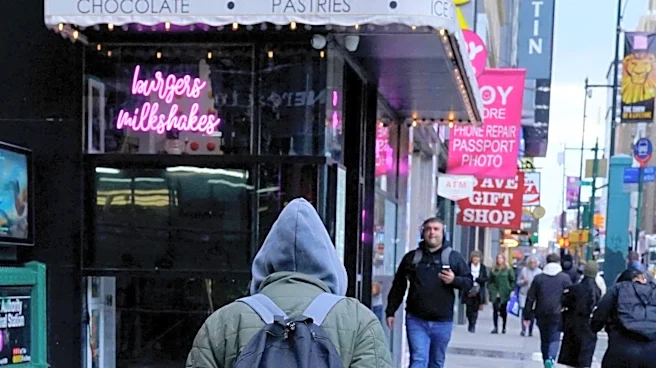
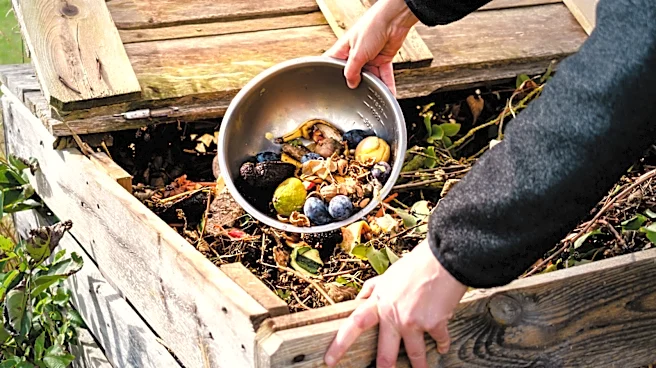
In New York City, a growing number of individuals are turning to dumpster diving as a means to combat high food costs and reduce waste. This practice, known as Freeganism, involves salvaging discarded food and goods from supermarket trash bins. Janet
Kalish, a prominent figure in the Freegan community, organizes 'trash tours' where participants can find fresh produce, packaged goods, and even luxury items like electronics. Influencers like Anna Sacks, also known as 'The Trashwalker,' have popularized this trend by showcasing their finds on social media. Despite the stigma associated with dumpster diving, participants argue that it is a viable way to save money and reduce environmental impact.
Why It's Important?
The rise of Freeganism highlights significant issues related to food waste and economic inequality. As grocery prices continue to rise, more people are seeking alternative ways to access food without financial strain. This movement also draws attention to the vast amounts of edible food discarded by retailers, prompting discussions about corporate responsibility and sustainable practices. By recovering and redistributing these goods, Freegans aim to minimize waste and challenge societal norms about consumption and waste. The trend also underscores the need for systemic changes in how food surplus is managed and distributed.
What's Next?
As the Freegan movement gains traction, it may influence policy discussions around food waste and sustainability. Retailers could face increased pressure to implement better waste management practices and donate surplus food to those in need. Additionally, the growing visibility of dumpster diving through social media may lead to broader acceptance and participation in Freeganism. However, challenges remain, such as addressing health concerns and overcoming the stigma associated with salvaging food from trash bins. Future developments may include more organized efforts to connect surplus food with communities in need, potentially involving partnerships between retailers and non-profit organizations.
Beyond the Headlines
The Freegan movement raises ethical questions about consumerism and the value placed on goods. It challenges the perception of waste and encourages a reevaluation of what is considered 'trash.' By highlighting the abundance of discarded yet usable items, Freegans advocate for a more sustainable and mindful approach to consumption. This movement also fosters a sense of community and shared purpose among participants, who often collaborate on projects to repurpose discarded materials. As the movement grows, it may inspire broader cultural shifts towards minimalism and environmental consciousness.