






What's Happening?
New research from La Trobe University indicates that a three-week online self-compassion meditation program significantly improves body appreciation and positive well-being while reducing body dissatisfaction in Australian adults. The randomized controlled
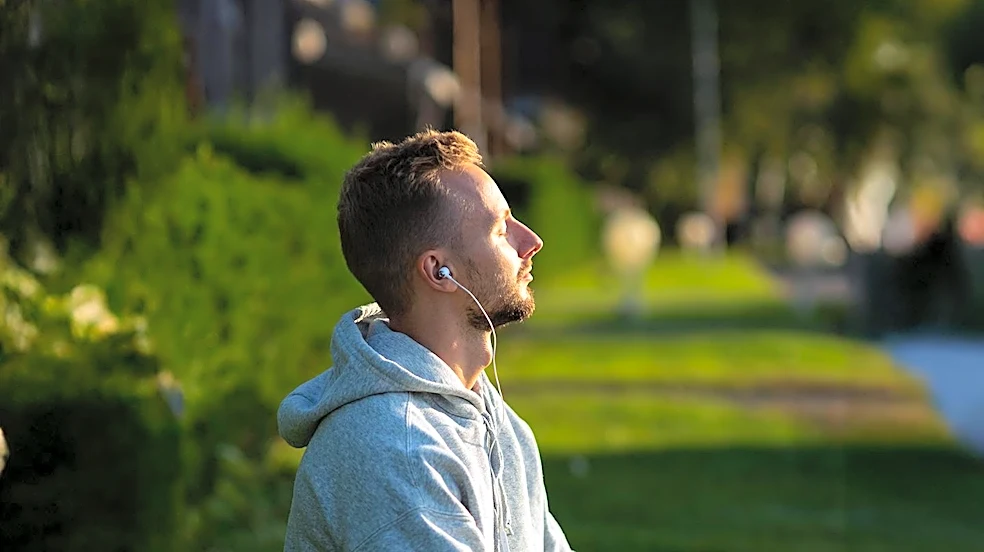
trial, published in the journal Mindfulness, involved 227 participants aged 18 to 39. Those in the intervention group engaged in 20 minutes of daily self-compassion meditation, which included practices focusing on mindfulness, self-kindness, and common humanity. Notably, the meditation scripts did not contain appearance-related prompts or instructions to focus on body image. Lead researcher Dr. Joshua Marmara emphasized that fostering a kinder relationship with oneself can positively impact mental health and body image. The benefits observed, such as increased body appreciation and lower self-judgment, were still evident six weeks after the program concluded, and the frequency of practice did not solely determine the extent of change.
Why It's Important?
This research offers a promising, accessible, and self-guided intervention for improving body image and mental health, which are significant concerns across various populations. Unlike many body image interventions that directly address appearance, this study highlights the effectiveness of cultivating self-compassion and kindness towards oneself. This approach could be particularly impactful in a society where body dissatisfaction is prevalent and often fueled by external pressures and media. The findings suggest that promoting inner kindness and understanding can lead to substantial improvements in how individuals perceive their bodies, fostering a more positive self-relationship. The online delivery format and relatively short daily commitment make this intervention highly scalable and potentially beneficial for a large number of people seeking to enhance their body appreciation and overall well-being without needing extensive professional guidance.
What's Next?
The researchers suggest that further work is needed to understand how self-compassion interventions function across more diverse populations and to determine if the benefits are sustained over longer periods. Given the accessibility and ease of delivery of these online programs, there is potential for wider implementation in public health initiatives or as supplementary tools in mental health support. The findings may encourage mental health professionals and wellness platforms to integrate self-compassion meditation into their offerings. Future research could explore the specific mechanisms through which self-compassion impacts body image and investigate its efficacy in different age groups or clinical populations. The study's success could also inspire the development of more tailored self-compassion programs designed to address specific body image concerns or mental health challenges.
Beyond the Headlines
The study's implications extend beyond immediate body image improvements, touching upon broader themes of self-acceptance and mental resilience. In an era dominated by social media and idealized representations, fostering self-compassion offers a powerful counter-narrative, encouraging individuals to cultivate an internal sense of worth rather than seeking external validation. This shift towards inner kindness can have profound effects on overall psychological well-being, reducing self-criticism and promoting a more balanced emotional state. The research also subtly critiques the often-superficial nature of many body image interventions, suggesting that a deeper, more compassionate internal dialogue is more effective than appearance-focused strategies. This could lead to a re-evaluation of how body image issues are addressed in therapeutic and educational settings, emphasizing holistic self-care over purely aesthetic concerns.