


What's Happening?
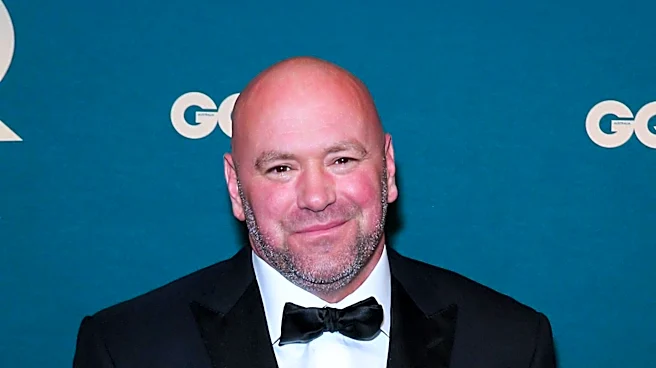
UFC CEO Dana White has publicly stated his refusal to consult doctors for general health concerns, drawing a clear distinction between emergency medical care and everyday medicine. White's comments, made in a widely circulated video interview, emphasize
his belief that general health practitioners primarily prescribe pills and medication without addressing underlying issues. He clarified that he would still seek medical attention for acute injuries or surgeries, such as a broken arm. This stance follows a personal health scare in 2022, where he was diagnosed with extremely high triglyceride levels and given a short life expectancy if his lifestyle did not change. White attributes his subsequent health improvement to a regimen developed with human biologist Gary Brecka, involving a ketogenic diet and strict training, which he claims allowed him to discontinue various prescription medications for thyroid, cholesterol, and blood pressure. He asserts that his current blood work and overall well-being are superior to when he was on medication.
Why It's Important?
Dana White's public declaration carries significant weight due to his prominent role as the CEO of the UFC, a major combat sports organization. His views, while personal, could influence a segment of the public, particularly within the combat sports community, to question conventional medical advice regarding general health and preventative care. This could lead to a broader discussion about alternative health approaches and the role of lifestyle changes versus pharmaceutical interventions. For the healthcare industry, White's comments highlight a potential distrust in traditional medical practices among some individuals, possibly impacting patient engagement and adherence to prescribed treatments. His narrative of self-improvement outside of conventional medicine could also empower individuals seeking non-pharmaceutical solutions for chronic conditions, though it also risks promoting skepticism towards evidence-based medical practices. The distinction he makes between emergency and chronic care could reshape public perception of different medical specialties.
What's Next?
White's continued promotion of his health philosophy is likely to spark further debate and discussion within both the sports and health communities. While his personal health choices do not dictate UFC policy or the medical requirements for fighters, his influential platform means his views will continue to be amplified. It is probable that medical professionals and organizations will respond to his statements, emphasizing the importance of regular check-ups and evidence-based medicine. Conversely, proponents of alternative health and wellness programs may leverage White's testimony as validation for their approaches. The ongoing public discourse could lead to increased scrutiny of both traditional medical practices and alternative health claims, potentially encouraging individuals to research and critically evaluate their own healthcare decisions. White's story may also inspire more individuals to explore significant lifestyle changes for health improvement, though the long-term impact on public health attitudes remains to be seen.
Beyond the Headlines
Beyond the immediate controversy, White's statements touch upon deeper societal trends concerning health autonomy and the perceived efficacy of modern medicine. His narrative taps into a growing sentiment among some individuals who feel disempowered by a healthcare system often seen as overly reliant on pharmaceutical solutions. This perspective, while not universally shared, reflects a broader cultural shift towards seeking personalized health solutions and questioning established institutions. The ethical implications of a public figure advocating against general medical check-ups are also significant, as it could inadvertently discourage preventative care, which is crucial for early detection and management of many diseases. Furthermore, White's experience highlights the complex interplay between personal health choices, public influence, and the commercialization of wellness programs, raising questions about responsible health communication from public figures and the potential for misinformation in the health sphere. His story underscores the ongoing tension between individual health freedom and public health recommendations.