






What's Happening?
Influencer marketers are increasingly focusing on in-person events and activations to connect with consumers, a trend highlighted by a recent survey from Linqia. The survey indicates that 53% of marketers plan to collaborate with influencers on events in 2026,
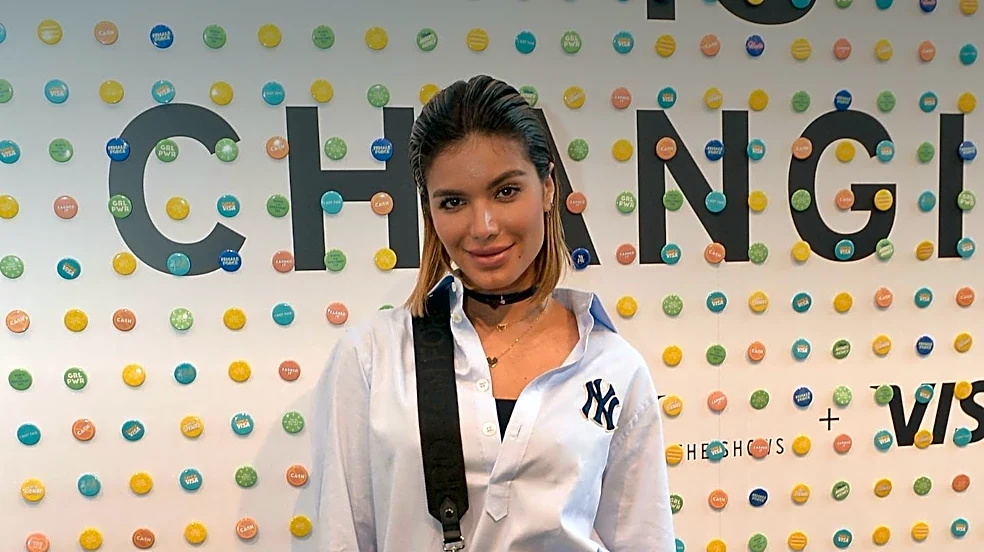
a significant rise from 34% in 2025. This shift reflects a growing belief that 'IRL' (in-real-life) experiences are highly effective for building brand equity, as stated by Justin Thomas-Copeland, CEO of the American Association of Advertising Agencies (4As). Brands are finding it more challenging to reach customers online, leading them to invest in physical events to engage their most dedicated fans and generate social media content. Examples include Snapple transforming a Staten Island Ferry into a comedy club with Colin Jost and Pete Davidson, which generated approximately 200 pieces of user-generated content, and Rothy's partnering with Substacker Erika Veurink for a vintage pop-up that increased store foot traffic by 75%. Even in niche categories like flushable wipes, brands like Goodwipes are leveraging in-person experiences to address consumer questions and build trust.
Why It's Important?
This strategic pivot by marketers towards in-person influencer events signifies a critical evolution in brand engagement and advertising. In an increasingly saturated digital landscape, where online reach is becoming more difficult and costly, physical interactions offer a tangible way for brands to cut through the noise. The emphasis on 'IRL' activations allows companies to foster deeper connections with consumers, moving beyond fleeting digital impressions to create memorable experiences. This approach can lead to more authentic user-generated content and stronger brand loyalty, as evidenced by the significant foot traffic increase for Rothy's and the extensive social media buzz for Snapple. For consumers, these events provide unique opportunities to interact with brands and influencers they admire, transforming passive consumption into active participation. However, the shift also presents challenges for marketers, who must now navigate the complexities of event planning and accurately measure the return on investment for these often 'inefficient' but highly effective initiatives.
What's Next?
The trend of marketers investing in in-person influencer events is expected to continue growing, with more brands exploring creative ways to engage audiences offline. The increased interest from marketers, as indicated by the Linqia survey, suggests that event-based collaborations with influencers will become a more prominent component of marketing strategies in the coming years. Brands will likely continue to experiment with various formats, from pop-up experiences to large-scale activations, to find what resonates best with their target demographics. However, marketers will also need to refine their methods for measuring the success and efficiency of these events, as proving their value can be more complex than tracking digital metrics. The focus will remain on generating authentic engagement and user-generated content, which can then be amplified across digital platforms. This could lead to the development of new tools and metrics specifically designed to assess the impact of 'IRL' marketing efforts.
Beyond the Headlines
The resurgence of in-person events in influencer marketing highlights a broader societal yearning for authentic human connection in an increasingly digital world. While technology has made global communication instantaneous, it has also created a sense of detachment, leading consumers to value genuine, shared experiences. This trend suggests a re-evaluation of what constitutes 'luxury' or 'value' in consumer culture, moving beyond mere product acquisition to encompass unique, memorable moments. The ethical implications of influencer marketing also evolve with this shift; the authenticity of an influencer's connection with their audience becomes even more critical when interactions are face-to-face. Brands must ensure that these events are not merely transactional but genuinely reflect the values and interests of both the brand and the influencer, fostering a sense of community rather than just promoting a product. This could lead to a more nuanced and responsible approach to influencer collaborations, prioritizing genuine engagement over superficial reach.