






What's Happening?
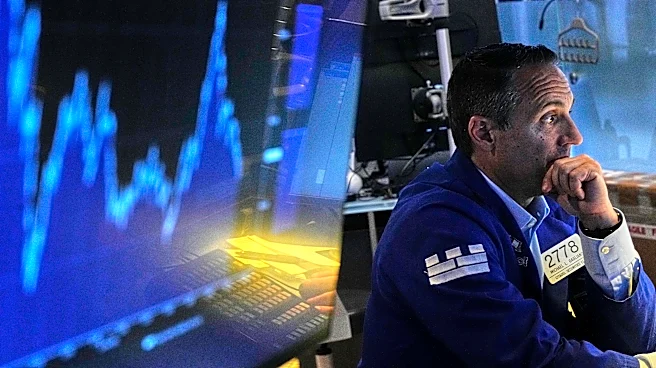
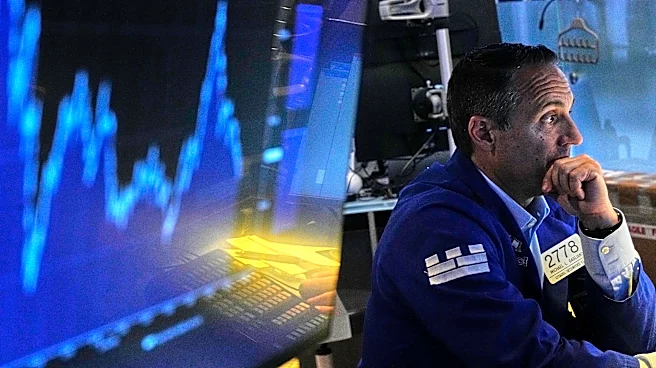
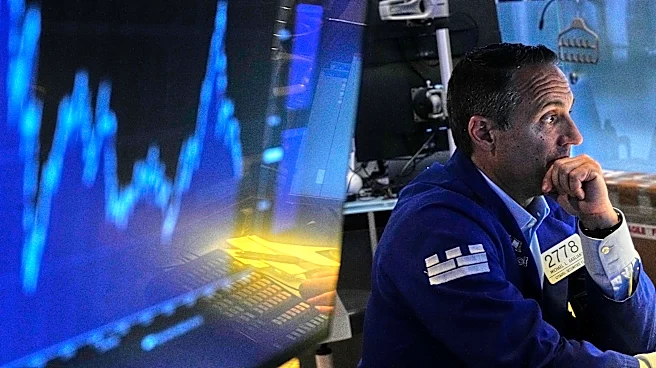
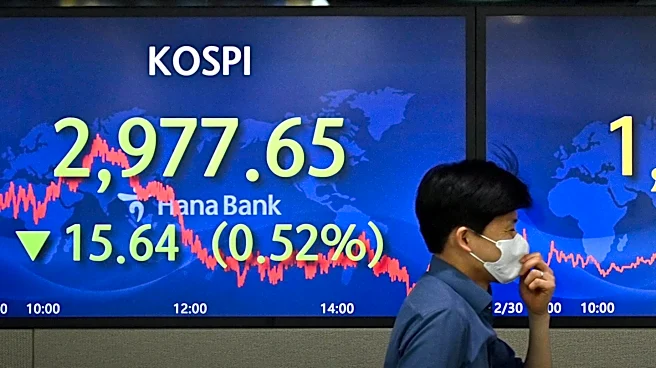
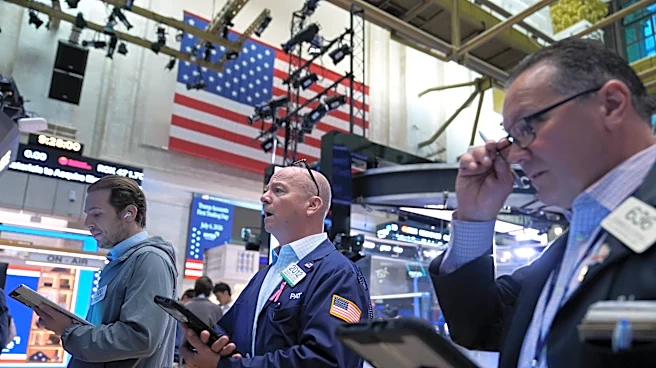
On July 22, 2026, the Nasdaq Composite fell by 0.57% to 25,691, leading a market decline influenced by rising oil prices that pressured growth stocks. The S&P 500 also slipped by 0.13% to 7,499, while the Dow Jones Industrial Average remained nearly flat,
down 0.01% to 52,219. The market's attention was particularly focused on Alphabet and Tesla, which reported their second-quarter earnings after the market closed. Alphabet's stock fell by 4% despite a 24% sales growth, primarily due to its cloud department's revenue increase of 81%. However, its free cash flow turned negative due to $45 billion in capital expenditures. Tesla's revenue rose by 26%, but its adjusted earnings per share fell short of Wall Street expectations, causing a 5% drop in its stock. The company is undergoing a transition in production, moving from electric vehicles to new ventures like Cybercabs and Optimus robots.
Why It's Important?
The decline in the Nasdaq and the focus on Alphabet and Tesla's earnings highlight the volatility in the tech sector, especially as companies face rising operational costs and shifting market demands. Alphabet's significant capital expenditures and Tesla's production transition indicate strategic shifts that could impact their long-term growth and investor confidence. The broader market's reaction to these earnings reports underscores the sensitivity of growth stocks to external economic factors like oil prices. Investors are closely watching these developments as they could signal broader trends in the tech industry and influence investment strategies.
What's Next?
Investors will likely continue to monitor the performance of major tech companies like Alphabet and Tesla, especially as they navigate through strategic transitions and market pressures. The ongoing volatility in oil prices and its impact on growth stocks will also be a key focus. Additionally, the market will be attentive to any further announcements from these companies regarding their future plans and how they intend to manage operational costs and capital expenditures. The outcomes of these developments could influence investor sentiment and market dynamics in the coming months.