






What's Happening?
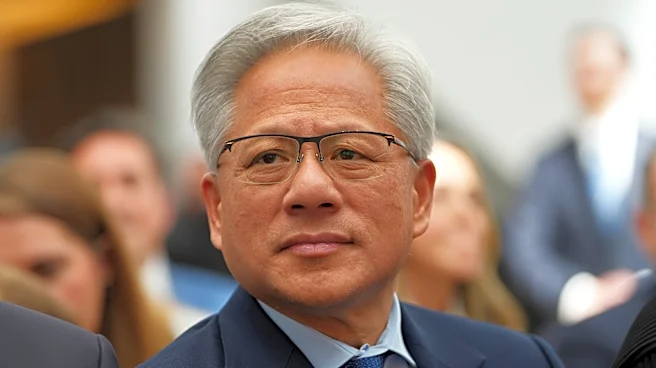
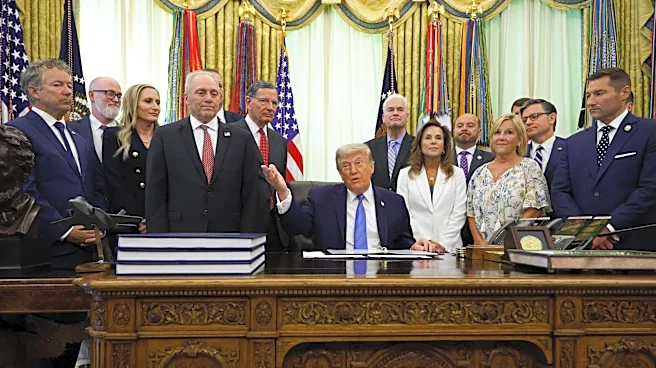
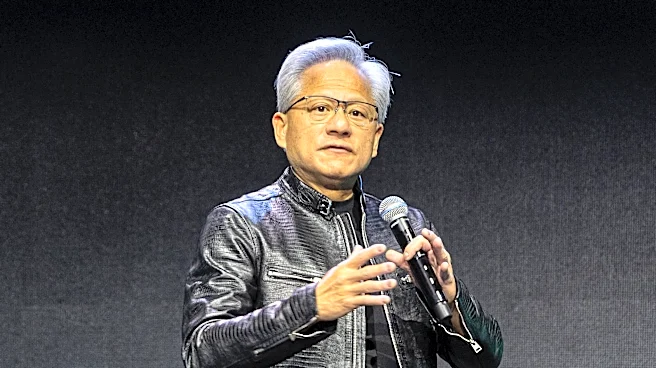
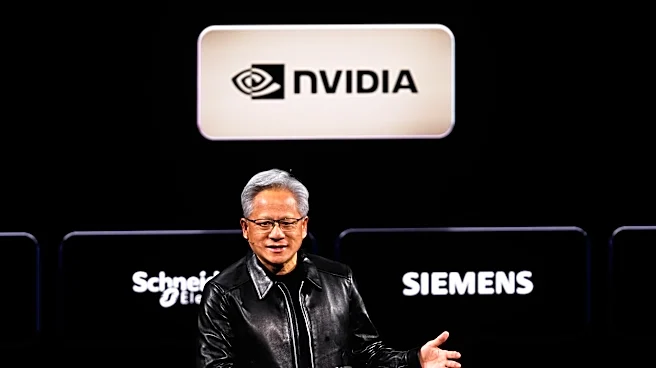
The FBI has reportedly begun 'looking into' Nvidia CEO Jensen Huang, as confirmed by President Trump, amidst a growing scandal concerning Huang's alleged relationship with an executive from Chinese firm Megaspeed, Alice Huang. This development follows
a lawsuit filed by shareholders in a California federal court, alleging fraud due to the company's concealment of the full extent of Jensen Huang's relationship with Alice Huang. Bloomberg reported that Nvidia's general counsel, Tim Teter, inquired with commerce undersecretary Jeffrey Kessler in mid-2025 about a U.S. government investigation into suspected chip smuggling to China, and whether the Trump administration played a role in Alice Huang's questioning and travel ban by Singapore police. Experts are pointing to weaknesses in Nvidia's corporate governance structures, with Charu Chanana, chief investment strategist at Saxo Bank, stating that 'Governance is now an investment risk.' The company's board, which recently announced an internal probe, has expressed confidence in Jensen Huang, a statement criticized by Harry Kraemer Jr., former CEO of Baxter International, as inappropriate before an investigation is complete. Nvidia also lacks a separate chairman, with Huang and Stephen Neal, the lead independent director, sharing the role.
Why It's Important?
This situation is highly significant for the U.S. technology sector and corporate governance standards. Nvidia is a major player in the semiconductor industry, particularly in AI chips, and any instability at its leadership level could have ripple effects across the tech market. The FBI's involvement and the shareholder lawsuit highlight serious concerns about potential conflicts of interest, national security implications related to chip smuggling, and transparency within a leading U.S. corporation. Weaknesses in corporate governance, such as the lack of a separate chairman and the board's premature expression of confidence in the CEO, could erode investor trust and set a concerning precedent for other companies. The controversy also underscores the increasing scrutiny on U.S. tech companies' dealings with China, especially concerning sensitive technologies. The outcome of these investigations could lead to significant changes in Nvidia's leadership, corporate structure, and its strategic direction, potentially impacting its market position and the broader tech ecosystem.
What's Next?
Nvidia is scheduled to report its Q3 earnings on November 17, which will be a critical event for investors seeking clarity amidst the ongoing controversy. The internal probe initiated by Nvidia's board, to be conducted by outside counsel, will be closely watched for its findings and recommendations. The shareholder lawsuit will proceed in federal court, potentially leading to further disclosures and legal battles. The FBI's investigation could result in formal charges or other legal actions, depending on its findings. The newly Democratic Congress is also expected to hold inquiries into the matter, potentially calling Jensen Huang to testify under oath. These developments could lead to significant changes in Nvidia's leadership, corporate governance practices, and its operational strategies, particularly concerning its international business dealings. The tech industry will be observing closely for any regulatory or policy shifts that might arise from this high-profile case.
Beyond the Headlines
Beyond the immediate legal and financial implications, this controversy touches upon deeper ethical and national security concerns. The alleged relationship between Jensen Huang and a Chinese executive, coupled with chip smuggling allegations, raises questions about corporate loyalty, intellectual property protection, and the potential for foreign influence within critical U.S. technology companies. The case could prompt a broader re-evaluation of corporate governance practices across the tech industry, particularly regarding CEO oversight, succession planning, and managing international business relationships in an era of heightened geopolitical tensions. The 'key-person risk' identified by experts, given Huang's long tenure and significant influence, highlights the vulnerability of companies heavily reliant on a single leader. This situation could also fuel debates about the balance between corporate autonomy and national security interests, potentially leading to new regulations or stricter oversight for companies operating in sensitive technological sectors.