







What's Happening?
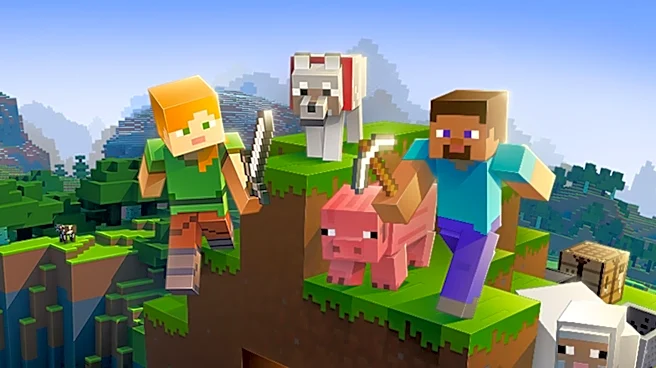
During a recent California State Senate hearing on the Protect Our Games Act, Jennifer Gibbons, vice president for state government affairs at the Entertainment Software Association (ESA), declared private servers for games like Minecraft and Call of Duty
as 'illegal' and equated them to piracy. This statement was made in response to a comment by California state assemblymember Chris Ward, who suggested private servers as a means to keep discontinued games playable. Gibbons argued that these servers are not affiliated with Microsoft and do not adhere to the same safety standards, thus posing a risk to players. The ESA has two pending lawsuits against private servers and has cited the United States Trade Representative's Notorious Markets Reports, which have previously named certain private servers as notorious markets for intellectual property infringement.
Why It's Important?
The ESA's stance on private servers highlights a significant tension between intellectual property rights and community-driven efforts to preserve gaming experiences. This declaration could impact gamers who rely on private servers to play older or discontinued games, potentially limiting their access. The ESA's position underscores the ongoing debate over digital rights and the control game publishers have over their intellectual property. If private servers are deemed illegal, it could lead to increased legal actions against server operators and affect the gaming community's ability to maintain and enjoy legacy games. This development also raises questions about the balance between protecting IP rights and fostering a safe, inclusive gaming environment.
What's Next?
The Protect Our Games Act did not pass in the recent legislative session but has been granted reconsideration, indicating that the debate over private servers and game preservation is far from over. The Stop Killing Games campaign plans to return with stronger lobbying efforts, including in-person advocacy and broader support from developers and players. They aim to introduce similar legislation in other states and potentially at the federal level. The ESA may face increased pressure to justify its position and address concerns about player safety and IP rights enforcement. The outcome of this legislative process could set a precedent for how digital rights and game preservation are handled in the future.