








What's Happening?
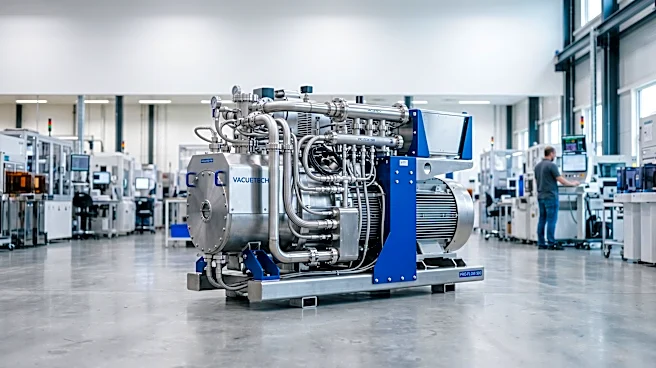
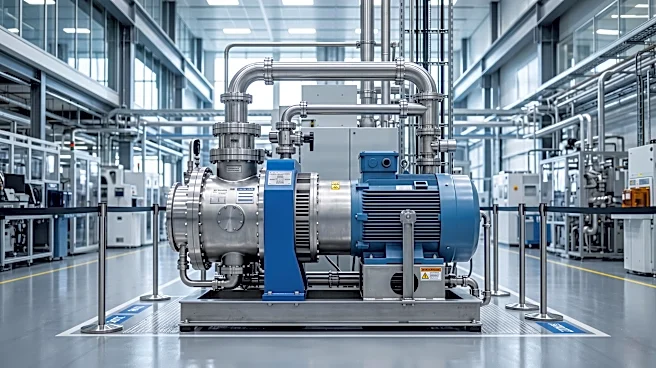
The resurgence of semiconductor manufacturing in the United States, Japan, and Europe is significantly increasing the demand for dedicated on-site gas plants and ultra-pure gases. Advanced chip manufacturing processes require gases with exceptionally
high purity levels, and this demand is being met by gas companies constructing specialized facilities directly at new semiconductor factories. Low-carbon hydrogen is also gaining importance in semiconductor manufacturing. The U.S. CHIPS Act, which allocated $39 billion for manufacturing incentives, and the advanced manufacturing investment credit, raised to 35% for qualifying semiconductor property placed in service after 2025, are key drivers behind this expansion. North America accounted for 24.80% of the high-purity ultra-pure gas market in 2025, valued at $10.52 billion, with major factory projects in Arizona, Texas, Ohio, and New York fueling this growth. For instance, Linde announced a $1 billion expansion of its Phoenix gas complex to supply two new semiconductor factories, and Air Liquide plans a $160 million low-carbon hydrogen facility in Arizona.
Why It's Important?
The escalating demand for high-purity gases and on-site gas plants is crucial for the success of the U.S. semiconductor industry's reshoring efforts. These gases are fundamental to the intricate processes of chip fabrication, where even minute impurities can compromise product quality and yield. The development of dedicated on-site facilities ensures a reliable and continuous supply of these critical materials, which is essential for the uninterrupted operation of advanced manufacturing plants. This trend also highlights the complex ecosystem required to support a thriving semiconductor industry, extending beyond just chip production to include specialized infrastructure and material suppliers. The investments by gas companies underscore the long-term commitment and capital required to build a robust domestic semiconductor supply chain, impacting job creation, technological innovation, and national security by reducing reliance on foreign sources for critical components.
What's Next?
The market for high-purity ultra-pure gases is projected to grow from $42.40 billion in 2026 to $56.74 billion by 2035, with the electronics and semiconductors sector being the largest and fastest-growing end-use segment. This growth will necessitate continued investment in gas production infrastructure and technological advancements to meet increasingly stringent purity standards. Companies will likely focus on long-term supply contracts to secure gas supplies for AI chip production. The integration of low-carbon hydrogen and carbon capture technologies will also present new business opportunities for gas suppliers, aligning with broader environmental sustainability goals. However, the industry faces potential challenges, including fluctuations in semiconductor investment, delays in factory construction, and high energy costs associated with gas production. The ability to overcome these hurdles will be critical for sustaining the growth of U.S. semiconductor manufacturing.
Beyond the Headlines
The intricate relationship between semiconductor manufacturing and the specialized gas industry reveals the hidden dependencies within high-tech supply chains. The need for ultra-pure gases is not merely a logistical challenge but a scientific one, pushing the boundaries of material science and chemical engineering. This interdependence means that disruptions in the gas supply chain, whether due to geopolitical events or natural disasters, could have cascading effects on global chip production. Furthermore, the shift towards low-carbon hydrogen in semiconductor manufacturing signifies a broader trend towards sustainable industrial practices, driven by both regulatory pressures and corporate responsibility. This evolution could lead to significant innovations in green manufacturing processes, potentially setting new global standards for environmental performance in the technology sector.